

Some desserts make an impression from the very first spoonful, and this lemon verrine is no exception. It boasts all the charm of a fine pastry without the fuss of rolling dough or complicated assembly.
Why This Verrine Is So Appealing
The secret is straightforward. You retain the zesty brightness of a lemon tart but in a lighter and quicker-to-prepare version. The cream, cooked for just 10 minutes, becomes smooth, glossy, and incredibly melt-in-your-mouth.
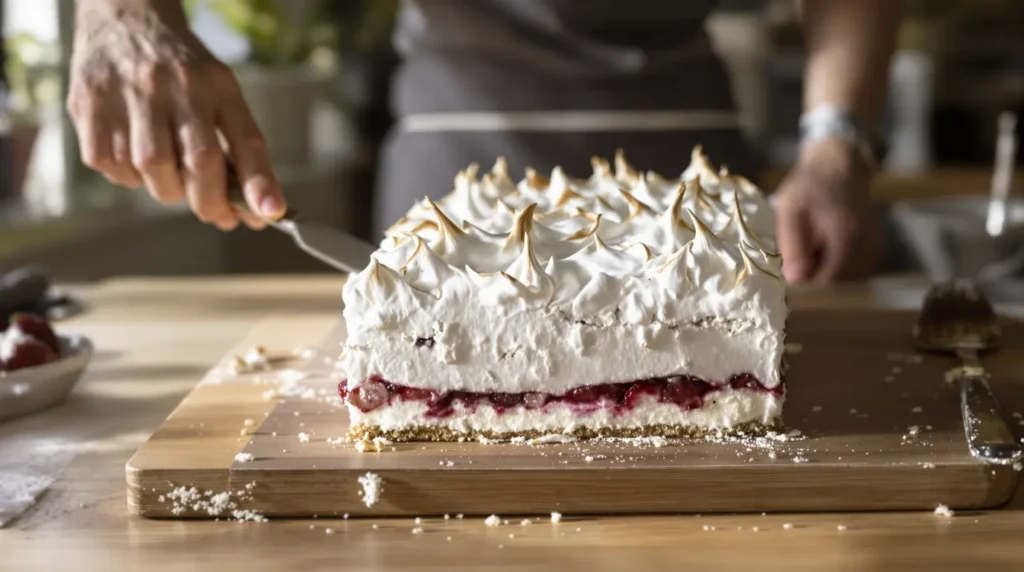
The contrast is also what sets it apart. At the bottom, a crunchy base; in the middle, a silky lemon cream; and on top, a light meringue that instantly elevates it to pastry chef status.
Then there’s the delightful element of surprise. At the table, guests might expect a classic tart, but as the spoon dives into the layers, the dessert transforms into something extraordinary.
Ingredients You Will Need
To make 4 verrines, gather the following:
- 2 untreated lemons
- 80 g of sugar
- 2 eggs
- 40 g of butter, cut into small pieces
- 120 g of cookies, such as shortbread or speculoos
- 30 g of melted butter
- 1 pinch of salt
- 2 egg whites
- 60 g of sugar for the meringue
- 1 teaspoon of lemon juice (optional)
These proportions yield a perfectly balanced verrine, neither too sour nor too sweet, just the right amount to entice you for seconds.
Preparing the Lemon Cream in 10 Minutes
Start by finely grating the zest of the lemons, then juicing them. In a heatproof bowl, whisk together the eggs and sugar. Add the juice and zest next.
Next, bring a pot of water to a simmer. Place the bowl on top without letting it touch the water—that’s your double boiler. Whisk continuously for about 10 minutes, allowing the cream to gradually thicken and coat the back of the spoon.
Stay close during this process. It’s simple but requires a bit of attention. Whisking well prevents lumps and ensures a silky texture.
Once the cream has thickened, remove it from the heat. Gradually add the butter, mixing until fully melted. This will make the cream glossier and rounder in flavor.
Cover the cream with plastic wrap directly on the surface. Allow it to cool slightly, then refrigerate it. It must chill before assembly to maintain its structure.
Making the Crunchy Base
Crush the cookies in a bowl. You can place them in a bag and roll over them with a rolling pin. Add the melted butter and a pinch of salt, mixing well.
Distribute this mixture evenly at the bottom of the verrines, pressing down slightly with the back of a spoon. You want a compact yet tender base that will snap under the spoon.
If you prefer a rounder flavor, opt for Breton shortbread. For a spicier note, choose speculoos. Both work beautifully.
Assembling the Verrines Like a Pastry Chef
Once the lemon cream is fully chilled, pour it over the cookie base. Smooth the surface with a small spoon or spatula. Return to the fridge for at least 1 hour.
This resting period is crucial. The flavors meld, the textures firm up, and the dessert becomes more defined when tasted.
For serving, consider adding the meringue just before bringing the verrines to the table. This final touch creates the most stunning visual effect.
Achieving Perfect Meringue Without Stress
Beat the egg whites until they start to firm up, then gradually add the sugar. Continue whisking until you achieve a smooth and glossy meringue.
If you have a kitchen torch, pipe the meringue onto the verrines and lightly brown the tops. If not, don’t worry; the verrines will still look beautiful without the caramelization.
You can also flavor the meringue with a small spoonful of lemon juice, enhancing the dessert’s fresh quality. Just be cautious; the lemon should remain bright, not overpowering.
The Little Touches That Make a Difference
The success of this dessert hinges on three key elements: a gentle cooking method for the cream, proper chilling before assembly, and a cookie base that stays crunchy until serving.
If your lemons are particularly fragrant, consider reducing the sugar slightly. Conversely, if they are very tart, stick with the full 80 g. It’s this balance that delivers the perfect flavor.
The salt in the base may seem subtle, but it enhances the butter and brings out the lemon’s brightness. It’s a small detail, but it truly matters.
How to Variate the Recipe Without Losing Its Essence
You can maintain the same foundation while introducing a new nuance. A hint of vanilla adds sweetness, a touch of ginger provides depth, or a sprinkle of yuzu zest creates a more refined aromatic note.
The cookie base can also be altered. Shortbread gives a simple, classic result, while speculoos lends a more indulgent flavor. A quick crumble works well too if you enjoy rustic textures.
This dessert is quite adaptable, but the principle remains the same: a well-cooked lemon cream, a crunchy base, and an airy topping. This trio is what makes it all come together.
When to Serve This Verrine
It’s perfect for a spring lunch, a dinner with friends, or an elegant afternoon tea. Served cold, it’s incredibly refreshing and a delightful way to conclude a meal.
You can even prepare the cream in advance. Just assemble the verrines later, keeping the meringue for the final touch. It’s convenient, and the result remains elegant.
Ultimately, this verrine has a clever charm. It retains the spirit of lemon meringue pie while offering a more modern presentation and a more delightful spoonful. Frankly, it might just overshadow the classic version.