
Steaming: A simple way to elevate your dishes
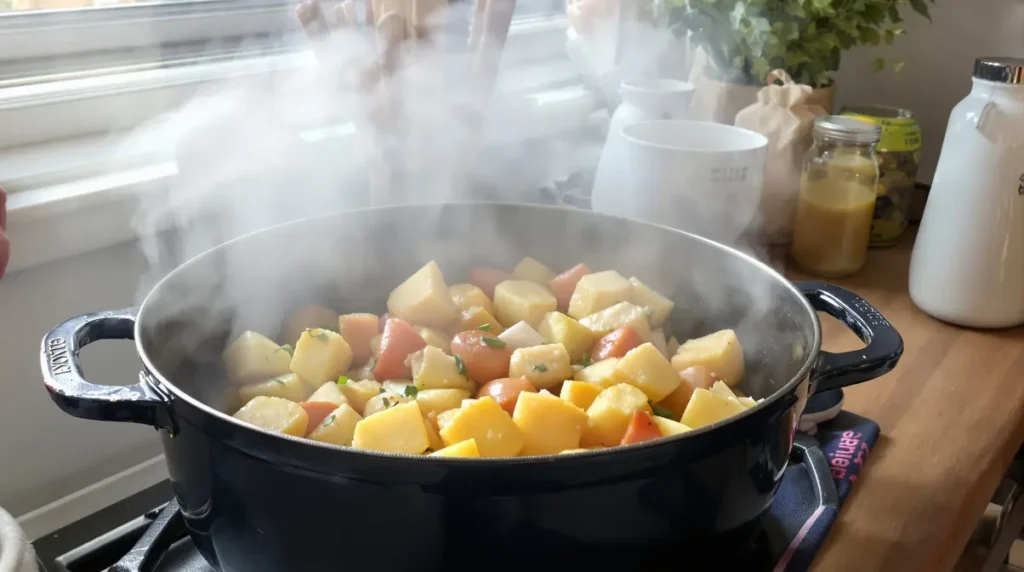
Transforming a bland meal into a delightful experience can be as easy as a few minutes of steaming. If you’re aiming to preserve vibrant colors, textures, and nutrients, steaming is the technique that makes all the difference. Here’s how to effortlessly prepare potatoes, carrots, and onions to perfection.
Why steaming is superior for vegetables
Steaming heats food without submerging it in water, significantly reducing the loss of water-soluble vitamins. In practice, this means you retain a greater portion of micronutrients compared to lengthy boiling. The flavors remain more distinct, the colors stay vivid, and you can limit added fats without sacrificing taste.
Steaming also reduces the transformation of starches in potatoes, leading to a lower glycemic index. Carrots maintain their provitamin A as long as they remain slightly crisp, while onions retain more of their sulfur compounds, becoming easier to digest with just a brief steaming.
Preparing vegetables for effective steaming
All you need is a steaming basket placed over a pot. Ensure the water doesn’t touch the vegetables and that the lid fits snugly. Alternatively, you can use an electric steamer or a pressure cooker.
Avoid adding oil or salt before cooking, as these can cause the vegetables to lose moisture and alter their texture.
Proper cutting is crucial. Cube potatoes into 2 to 3 cm pieces for even cooking. Slice carrots into 5 mm rounds or cut them into uniform sticks. For onions, finely sliced pieces cook faster, while wedges provide a softer texture.
Arrange the pieces in a single layer without overcrowding, allowing steam to circulate around each piece.
Cooking times and timing
Here are clear guidelines for successful steaming:
- Cubed potatoes (2–3 cm): approximately 20 minutes
- Carrots in 5 mm rounds: 10 to 15 minutes depending on thickness
- Onion wedges: 10 to 12 minutes; finely sliced: 4 to 6 minutes
To steam everything together, start with the potatoes. After 5 to 7 minutes, add the carrots, and include the onions in the last 5 to 10 minutes based on how soft you want them. Test for doneness with the tip of a knife; it should slide in easily, but the vegetables should still hold their shape. Remove them as soon as they are tender but not mushy.
Recipe: warm steamed vegetable salad (serves 4)
Ingredients:
- 600 g firm potatoes, cubed (2–3 cm)
- 300 g carrots, sliced (5 mm)
- 2 medium onions, either sliced or in wedges based on preference
- 3 tablespoons olive oil (45 ml)
- 1 tablespoon balsamic vinegar (15 ml)
- 2 tablespoons chopped parsley (10 g)
- Salt and pepper to taste
Preparation:
- Heat 2 cm of water in a pot. Place the steaming basket over it and add the potato cubes. Cover.
- After 7 minutes, add the carrots. After a total of 12 minutes, add the onions (or in the last third if you prefer them softer). Check for doneness.
- Drain the vegetables, then mix the olive oil, vinegar, salt, and pepper, pouring it over the still-warm vegetables. Sprinkle with parsley and serve immediately, or let cool for a salad that can be stored in the refrigerator for 2 to 3 days.
Tips and common mistakes to avoid
For a subtle flavor enhancement, consider adding herbs like thyme, bay leaves, or peppercorns to the steaming water. They will infuse a gentle aroma without overwhelming the natural flavors.
Avoid overcrowding the steaming basket; adequate steam circulation is essential. Stick to uniform cutting sizes to ensure even cooking.
If using a pressure cooker, be mindful of reducing cooking times as vegetables cook faster under pressure, monitor them closely to prevent a mushy texture.
In conclusion
Opting for steaming not only preserves flavor and nutrients but also takes mere minutes. This simple technique can transform your meals. Try it with this everyday trio of vegetables and experience the difference with your very first bite.
About the author
Emma Bellanger is an expert in French gastronomy and culinary trends, passionate about the world of taste. She guides food enthusiasts in discovering authentic recipes and trends. With her deep knowledge and keen eye for new developments, Emma offers a selection of enriching content suited for both amateur and professional cooks in the realm of French cuisine.