
How to grow perfectly crisp and plump lettuce
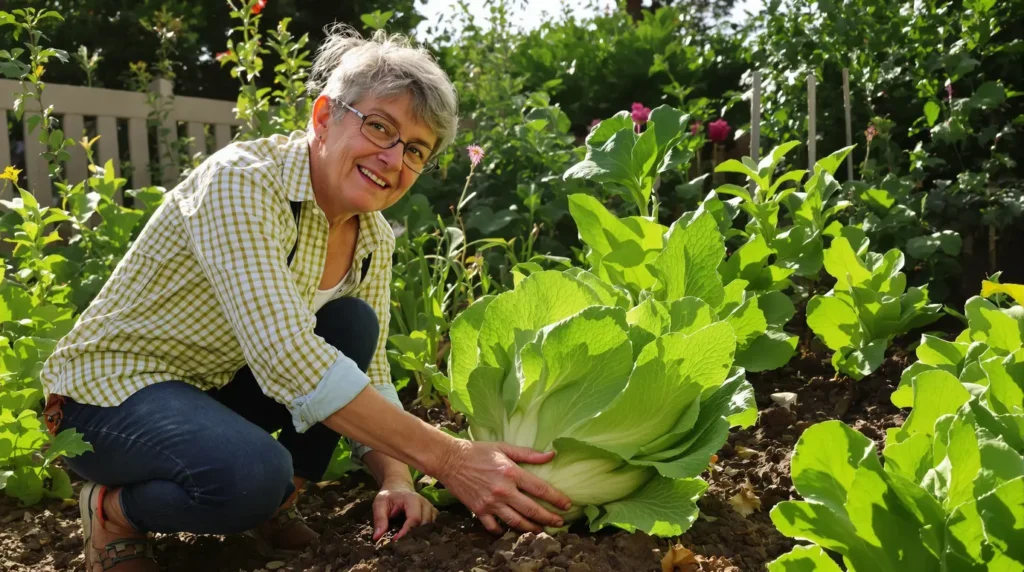
Do you dream of harvesting beautifully formed, crisp, and succulent heads of lettuce, just like you find at the farmer’s market? It’s absolutely achievable! Here are eight simple and practical tips to help you transform your plants into stunning, tightly packed heads, even if you’re new to gardening.
1. choose the right variety
Not all lettuce varieties form compact heads. If you’re aiming for a whole, dense salad, opt for butterhead or “pommée” lettuce. Varieties such as “Merveille des 4 saisons,” “Reine de mai,” and “Saint Antoine” yield impressive heads. If you prefer to harvest leaf by leaf, consider cutting lettuces like “Feuille de chêne.” Romaine and Batavia lettuce also produce lovely heads, while butterhead varieties tend to withstand heat better.
2. sow before the heat hits
Heat can cause lettuce to bolt and fail to form heads. To avoid this, sow early for sensitive varieties: in February or March under cover, or as soon as the soil is workable in milder regions. In cooler climates, you can sow until July for summer harvests. Some varieties, like “Brune d’hiver,” can even be planted in the fall.
3. select the right exposure
Lettuce thrives in light but detests the scorching midday sun. In warmer climates, position your plants in partial shade during the hottest hours. A shade cloth, an overturned crate, or planting them near climbing crops (such as beans or cucumbers) can provide effective protection. In northern regions, ensure a well-lit spot for spring sowing.
4. prepare and nourish the soil
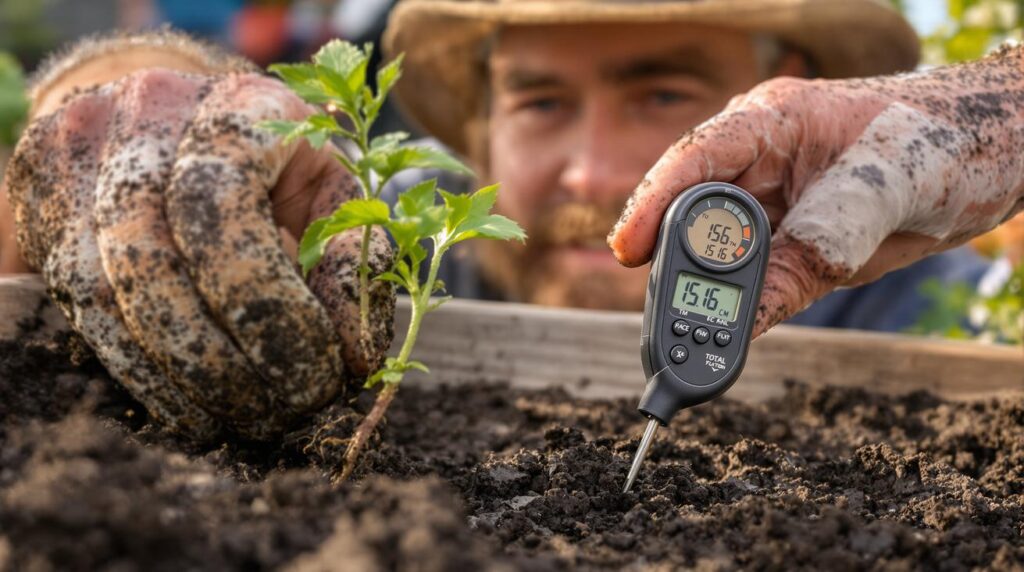
A fertile, light soil promotes the formation of dense heads. Work the soil well, incorporating 2 to 4 liters of well-matured compost or a bit of manure per square meter before planting. If your soil is clay-heavy, lighten it by adding 20-30% sand or fine potting soil. For container gardening, choose a pot that is approximately 6-8 inches deep and use quality potting soil with drainage holes.
5. regular watering and mulching
Lettuce requires consistently moist soil. Water at least once a week, and more frequently during the summer or dry spells. Apply mulch (such as dried grass clippings, straw, or shredded leaves) to retain moisture. Mulching reduces evaporation, suppresses competing weeds, and minimizes the risk of bolting.
6. simple yet essential maintenance
The primary maintenance task involves light weeding and loosening the soil to prevent surface crusting and improve aeration. If your soil is mulched, these interventions will be minimal. Thin out young plants to allow 8-12 inches between each one. This spacing enables proper head formation and enhances air circulation.
7. keep pests at bay
Slugs and snails love to munch on young leaves. Protect your plants with natural barriers like crushed eggshells, wood ash, or beer traps. Handpicking in the early morning can also be quite effective. For a reliable solution, use iron phosphate pellets. For aphids, simply remove them by hand or spray them with a solution of one tablespoon of liquid soap mixed in one liter of warm water.
8. prevent diseases and harvest wisely
To limit fungal diseases (like downy mildew, botrytis, and anthracnose), always water at the base of the plants and avoid wetting the foliage. Maintain a spacing of 8-12 inches between plants and promptly remove any diseased leaves as soon as they appear. Harvest about two months after sowing, when the heads are well-formed and firm. Cut them at the base in the morning after the dew has evaporated to reduce the risk of disease transmission.
For a continuous supply, stagger your sowing every 2 to 3 weeks. This way, you’ll enjoy perfectly formed heads of lettuce throughout the season. With these straightforward practices, your salads will be denser, more flavorful, and proudly head-shaped.