

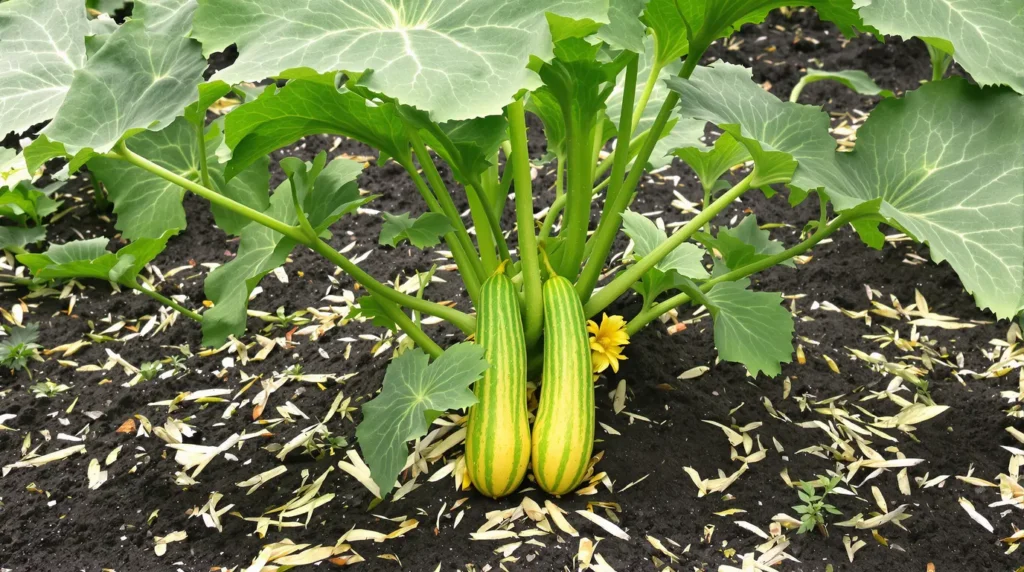
To prune or not to prune your zucchini plants?
This is a common question among gardeners. The answer may surprise you: for most zucchini varieties, pruning is not necessary. However, it ultimately depends on the type of squash and your gardening goals.
Why prune plants in the garden?
Pruning serves several purposes. It cleans the plant by removing dead or diseased parts, helps control the spread of a plant that may become too invasive, and sometimes concentrates sap on fewer fruits, potentially leading to larger or earlier harvests.
However, caution is essential. Every cut creates a wound, which can invite fungi or other diseases. Knowing when and why to intervene is crucial.
Two families of cucurbits: vining and bush varieties
Within the vast family of cucurbits, there are two forms: vining and bush varieties. Vining types, such as melons, watermelons, pumpkins, and butternuts, produce long, sprawling stems. These plants can benefit from pruning to concentrate production or speed up fruiting.
Bush varieties, like zucchini, form a compact cluster of about 1 square meter. Their main stem does not branch out, and cutting it could halt fruit production altogether.
Should you prune zucchini?
The rule is straightforward: do not prune zucchini like you would a melon or watermelon. Zucchini benefit from a full canopy of leaves to nourish the flowers and fruits. Cutting too much can reduce photosynthesis, leading to diminished yields.
That said, light interventions can be beneficial. This involves cleaning rather than structural pruning. You may remove a few dead or diseased leaves or even snip one or two initial fruits if the young plant is weak. This practice can help the plant establish a robust root system and vibrant foliage.
What to do if pollination is lacking?
Zucchini production heavily relies on pollination. Without enough male flowers or pollinators, female flowers may remain unfruitful. If you notice insufficient pollination, it’s time to take action, pollinate by hand.
To do so, gather an open male flower, remove the petals to expose the pollen, and gently rub the male flower’s center onto the stigma of a female flower. This is best done early in the morning. Repeat as necessary.
Cultural practices for a bountiful harvest
- Soil: Enrich your soil with compost, ensuring it is rich in organic matter.
- Watering: Water regularly at the base of the plants, avoiding the foliage.
- Spacing: Maintain an 80 to 100 cm distance between plants for optimal air circulation.
- Mulching: Use mulch to retain moisture and suppress weeds.
- Variety Selection: Choose disease-resistant varieties if your garden is prone to illnesses.
When to remove some leaves?
Removing one or two leaves can be helpful. For instance, if the foliage is too dense and pollinators cannot access the flowers, clearing some large leaves can improve light penetration within the plant. However, be conservative; excessive pruning can weaken the zucchini, reducing its ability to produce.
Common mistakes to avoid
Do not prune the main stem of bush varieties. Avoid removing more leaves than necessary, and refrain from pruning during damp weather, as wounds can attract diseases. Additionally, avoid planting too many zucchini plants to prevent overproduction, proper organization in your garden can mitigate waste and stress.
In summary
For zucchini, systematic pruning is unnecessary and often counterproductive. Embrace the bushy growth habit. Engage in light maintenance: remove sick leaves, occasionally eliminate initial fruits, and hand-pollinate when necessary. With rich soil, consistent watering, and appropriate spacing, your zucchini plants are poised to deliver a generous harvest.