
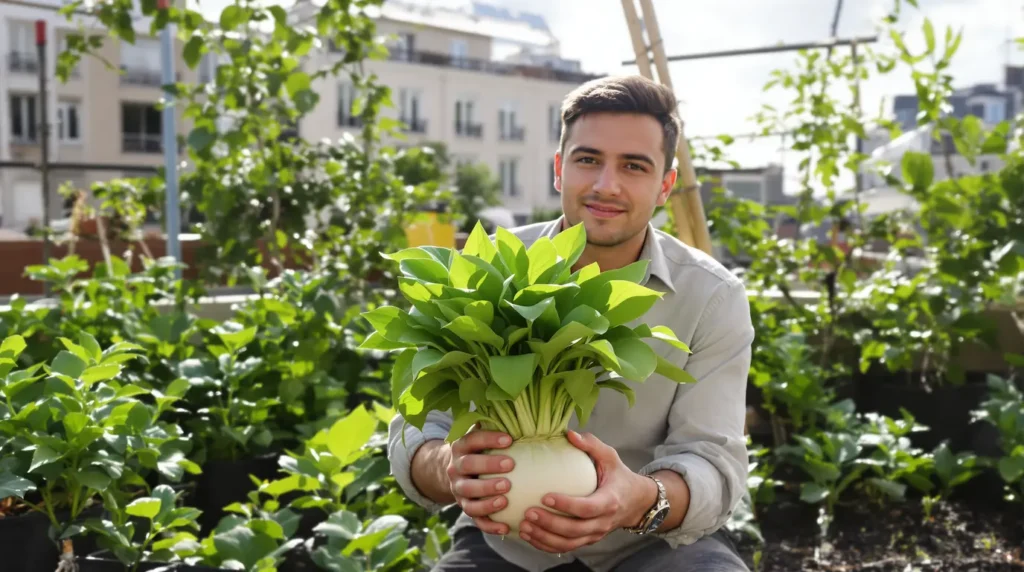
Fennel: the delicately anise-flavored bulb making waves this year
Fennel, with its subtly aniseed flavor, is experiencing a remarkable resurgence this year. Compact, aromatic, and versatile, it has become the secret weapon for farmers and urban gardeners alike, all seeking maximum yield from every square foot. Want to know why it’s winning hearts everywhere and how you can incorporate it into your own space?
Why fennel is so appealing
The revival of fennel stems from a rare combination: an instantly recognizable taste and genuine profitability for those who know how to cultivate it. Its anise-like aroma enlivens summer dishes, prompting consumers to rediscover its refreshing qualities and purchase it in abundance.
For professionals, the real advantage lies in the plant’s multiple uses. The bulb, stalks, and foliage are all easily sold or transformed into various dishes. This versatility boosts its market value and minimizes waste.
How to cultivate fennel for maximum yield
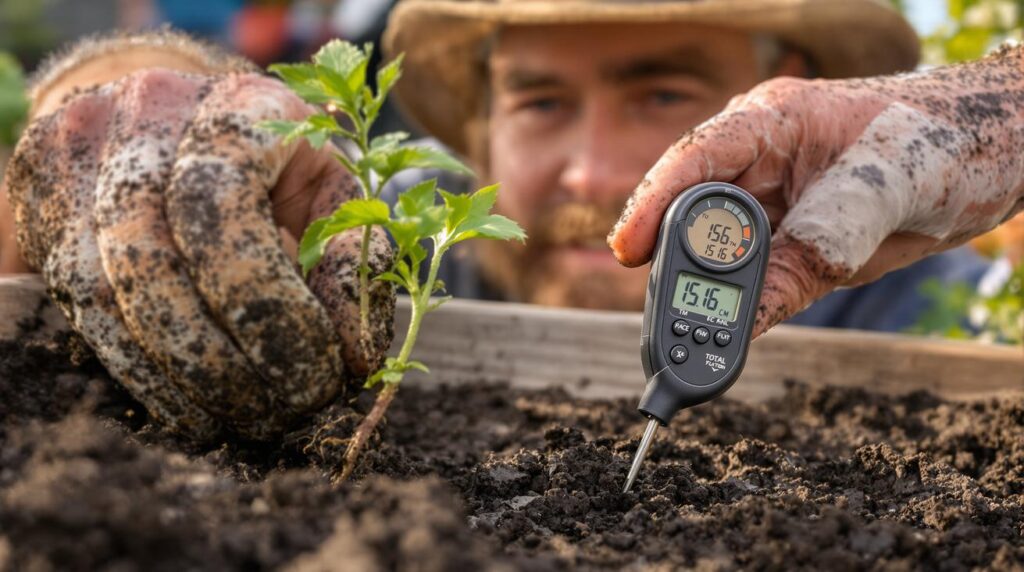
Successful fennel cultivation begins with selecting the right soil and exposure. Fennel thrives in deep, well-tilled soil rich in organic matter. Ensure it has a sunny spot to develop its bulb properly.
Sow directly into the ground in the spring, after the danger of frost has passed, or transplant seedlings. Maintain a spacing of 30 to 40 cm between plants to allow the bulbs to grow. It’s straightforward and clear.
A often-overlooked step can make a significant difference: mound soil around the base of the plant as the bulb begins to swell. This encourages blanching and protects the edible part.
Managing water, mulching, and pests
Watering should be regular yet moderate. The soil should remain moist but not soggy. Water stress can quickly lead to bolting, which is undesirable.
Mulching is your ally. A layer of 5 to 8 cm of straw, dried grass clippings, or hemp will minimize evaporation, conserving water and yielding more tender bulbs.
Fennel emits a powerful aroma that naturally deters certain pests, like aphids. Place it near more sensitive crops to create an olfactory shield. While this isn’t a foolproof solution, it’s a valuable natural asset.
Crop rotation, maintenance, and harvesting
Incorporate fennel into your crop rotation. It helps break pest cycles and improves soil health. Avoid planting it in the same spot for two consecutive years.
Harvest when the bulb reaches your desired size, picking them gradually. Younger bulbs offer a crisper texture and a more delicate flavor. Store them in a cool place and consume them quickly to savor their full taste.
Zero waste: cooking with fennel from top to bottom
One of fennel’s strengths lies in its culinary versatility. The bulb can be enjoyed raw or roasted, while the stalks add flavor to broths. The fronds can substitute for herbs as a finishing touch, maximizing every purchase.
Two simple and quick recipes (serves 4)
Fennel-Orange salad
**Ingredients:**
– 2 fennel bulbs (about 400–500 g)
– 2 oranges
– 30 g of chopped walnuts or almonds
– 2 tablespoons of olive oil
– 1 tablespoon of apple cider vinegar
– Salt and pepper
Preparation: Thinly slice the fennel bulbs. Peel the oranges and cut them into slices. Mix the oil, vinegar, salt, and pepper. Combine the fennel, oranges, and nuts, then drizzle with the vinaigrette. Serve chilled.
Oven-Roasted fennel
**Ingredients:**
– 4 fennel bulbs (about 600–800 g)
– 3 tablespoons of olive oil
– 1 teaspoon of salt
– Black pepper
– Optional: 30 g of grated Parmesan cheese or a squeeze of lemon juice
Preparation: Preheat the oven to 200 °C (400 °F). Cut the bulbs into wedges. Toss them with oil, salt, and pepper. Spread on a baking sheet and roast for 25–30 minutes. Sprinkle with Parmesan or drizzle with lemon juice before serving.
Conclusion: why you should embrace fennel now
Fennel combines economy, practicality, and culinary delight. It requires minimal space, utilizes every part of the plant, and easily finds its place both on market stalls and in our kitchens. If you’re looking to optimize your garden or make the most of a small area, fennel deserves a prime spot this spring.
Ready to give it a try? A small patch of fennel can transform your season. You’ll find that the anise flavor in that first bite is nearly addictive.