
Basil: A capricious herb made simple
Basil can sometimes feel like a finicky companion in the kitchen garden. You might find it yielding scant leaves, bolting to seed, or even turning yellow despite your best efforts. Fortunately, a straightforward trick, popularized by a well-known gardener on Instagram, can transform your basil experience. This technique promises to yield bushier plants and a steady harvest throughout the summer.
Understanding why basil struggles
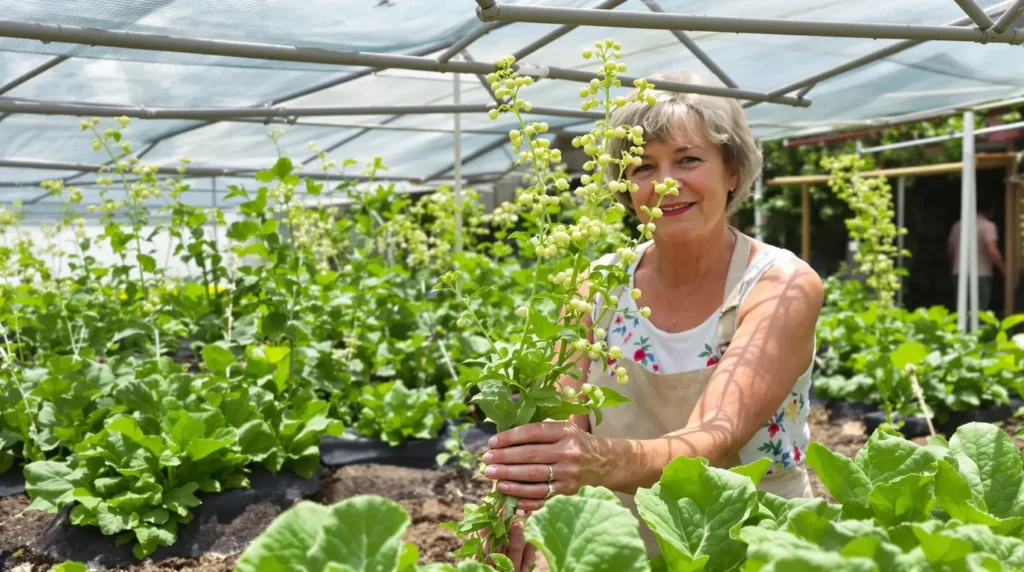
Basil thrives in warmth, light, and moderate humidity. When these conditions aren’t met, the plant can become leggy, with elongated stems that produce few leaves and flower prematurely. The presence of flowers often signals a decline in leaf production, leading to disappointment after just a few weeks of care.
Recognizing these early signs can help you take action at the right moment. A well-timed trim in the right spot can turn a spindly plant into a fragrant bush.
The secret technique: cut above the third node
Instead of random snipping, take a moment to observe the stem. Leaves emerge from small points known as nodes. Count three nodes from the base of the stem, then make your cut just above the third one. Ensure your scissors are clean and sharp for the best results.
Why This works
Cutting at this specific location encourages the plant to produce two new shoots in place of one. Within a week or two, these shoots will develop into new harvestable stems. By repeating this process regularly, your basil will become denser and more productive.
Implementing a simple routine
Inspect your basil plants weekly throughout the summer.
- If you spot flowers or elongated stems, count three nodes from the base.
- Trim just above the third node, saving the cuttings for your culinary endeavors.
- Continue this trimming every 1-2 weeks based on the plant’s growth vigor.
Practical tips for thriving basil
Soil, Pot, and Repotting:
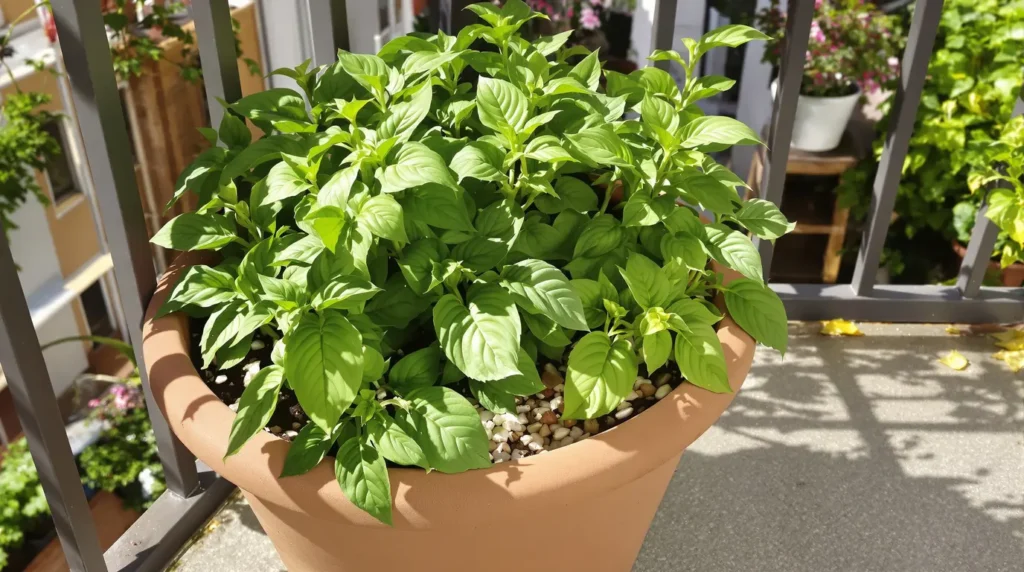
Opt for a light mix: universal potting soil combined with a bit of sand or perlite for drainage. A pot with a diameter of 6-8 inches is ideal for a single plant. Ensure proper drainage to avoid stunted growth.
Light, Heat, and Watering:
Position your pot in full sunlight or a brightly lit area. Basil loves warm temperatures, so water it regularly without overdoing it, keep the soil slightly moist. Morning watering is preferable, as evening watering can lead to disease.
Additional helpful tips
- Remove flowers as soon as they appear if you want to focus on leaf growth.
- Fertilize lightly every 2-3 weeks using a liquid fertilizer designed for herbs.
- Snip heavy stems instead of plucking leaves one by one for a cleaner cut that encourages branching.
- If your basil becomes “leggy” (with long, thin stems), it’s likely lacking light. Move it to a sunnier spot.
Addressing common problems
- Black or Yellow Leaves: This often indicates overwatering or too-cool temperatures. Cut back on watering and check your drainage.
- Stems Growing Without Foliage: This is usually due to insufficient trimming or light. Apply the third-node technique and increase sunlight exposure.
- Tiny Insects: A morning jet of water or a gentle insecticidal soap can often resolve the issue. For an organic solution, mix water with Marseille soap and rinse off after an hour.
Conclusion: A simple trick for a bountiful harvest
Cutting above the third node can swiftly transform a struggling basil plant into a lush and productive one. Combine this technique with ample sunlight, measured watering, and well-draining soil, and you’ll soon enjoy a generous supply for your summer salads and dishes.