
Every summer, the hope for beautiful red tomatoes
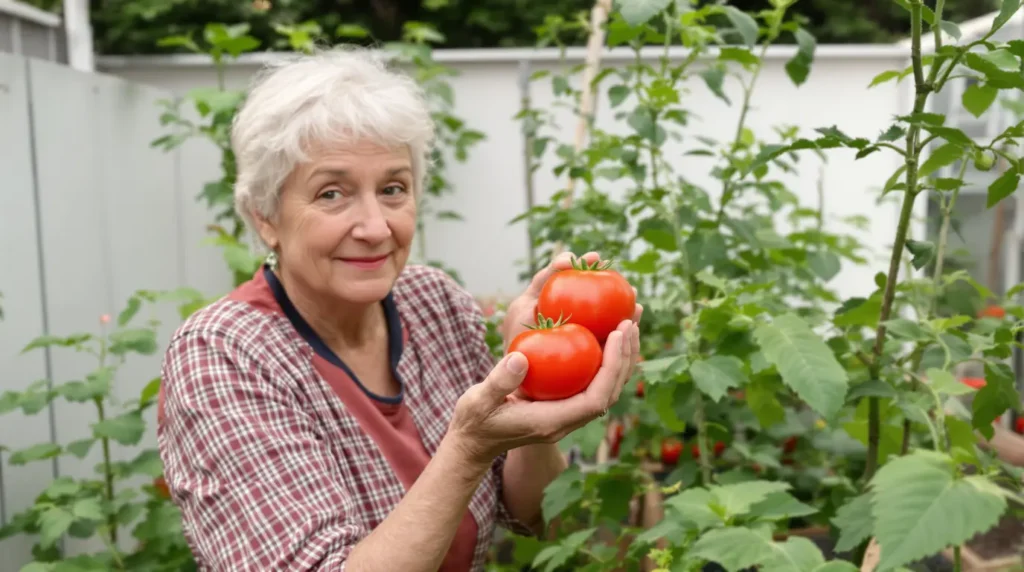
As summer rolls around, the anticipation of a bountiful harvest of juicy, red tomatoes fills the air. However, that excitement can quickly turn to dismay when an unsightly black spot appears at the base of the fruit. This small yet troublesome blemish can be eradicated with an eco-friendly, cost-free method utilizing a tiny kitchen waste, egg shells.
The real culprit: a nutrient deficiency, not a fungus
Commonly referred to as “blossom end rot,” this black mark is not a result of fungal disease but rather an issue known as apical necrosis. It occurs when the plant suffers from a deficiency of an essential mineral during the fruit’s growth phase. Without this vital nutrient, the cells at the bottom of the tomato begin to die, leading to a dry, dark spot that spoils your harvest.
The hidden treasure in your trash: egg shells
What you toss out each morning may hold the solution. Egg shells are composed of over 95% calcium, and this calcium carbonate is precisely what your tomatoes need. Rather than purchasing chemical fertilizers, consider recycling these shells into a natural, inexpensive, and healthy addition to your garden.
Step-by-Step preparation of the protective powder
Transforming egg shells into a useful garden powder is simple and effective. Follow these easy steps to ensure you get it right:
Ingredients and Materials per Plant:
- 4 to 5 clean egg shells
- 1 large handful of potting soil
- 1 generous handful of well-matured compost
- 1 liter of water at room temperature
Instructions:
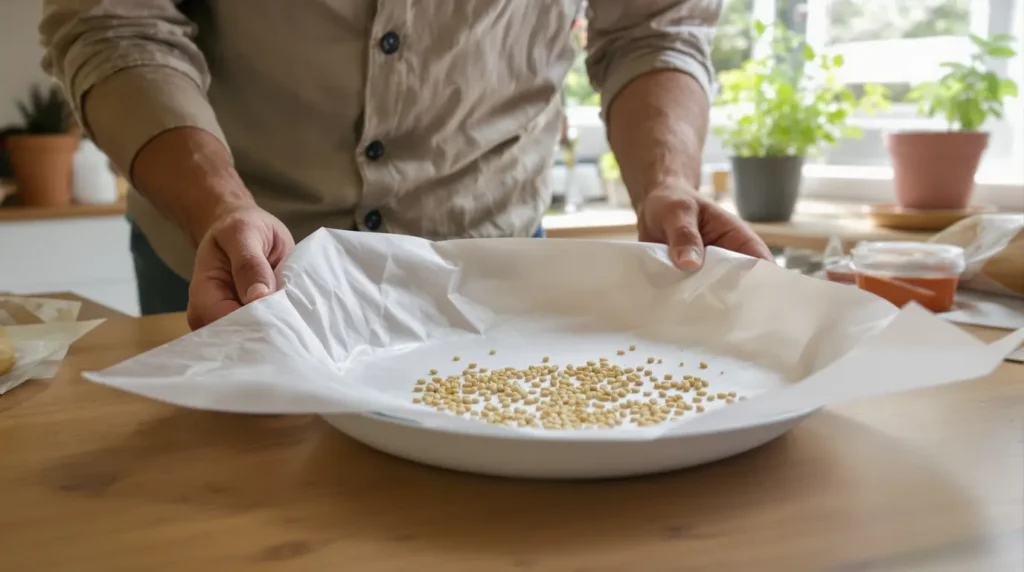
- Rinse the egg shells thoroughly to remove any remaining egg white, preventing unpleasant odors and deterring rodents.
- Allow the shells to dry in the sun or in an oven at a very low temperature until they become brittle.
- Grind them into a very fine powder using a coffee grinder, blender, mortar and pestle, or rolling pin.
- Mix the powder with the potting soil and compost at the bottom of the planting hole.
- Place your tomato plant’s root ball into the hole and gently pack the soil around it. Water with approximately 1 liter of water to activate the release of calcium.
Why this works and when to apply it
The powdered egg shell dissolves slowly with moisture, providing a steady supply of calcium to the plant as it grows. The optimal time for application is during planting in the spring when young plants require nutrients to develop strong cells. This preventive measure helps minimize the risk of apical necrosis and is not a cure for existing blemishes.
Practical tips for maximizing results
- Grind the shells very finely, as larger pieces can take years to decompose. Avoid burying whole shells on the surface, as they may attract rodents.
- Combine this method with regular watering, as inconsistent moisture levels can exacerbate blossom end rot. Mulching can help stabilize moisture levels and protect the roots.
Results and additional ideas
With careful preparation, you’ll notice stronger plants with thicker stems and smooth, blemish-free fruit. Your harvest will not only be more abundant but also healthier. Additionally, consider repurposing other kitchen scraps to nourish your garden. Coffee grounds provide nitrogen, while banana peels offer potassium. Yet, remember that egg shells remain the simplest and most effective source of calcium to prevent black spots.
A word of caution
Avoid overexposing your soil to excessive amounts of egg shell powder. Stick to the recommended 4 to 5 shells per plant, as an overdose can disrupt the soil’s balance.
Ultimately, remember: prevention and consistency are key. A simple action in the spring can spare you from disappointment in the summer. Your tomatoes will thank you for it!