
How to spot true artisanal bread
As you step into a bakery filled with the warm aroma of butter and flour, you might find yourself admiring the bread on display. However, a lingering doubt remains: is this bread baked on-site, or merely thawed from frozen? Fortunately, there’s one reliable indicator to help you discern the truth. It’s straightforward, legal, and easily identifiable.
The key indicator: The bakery’s name
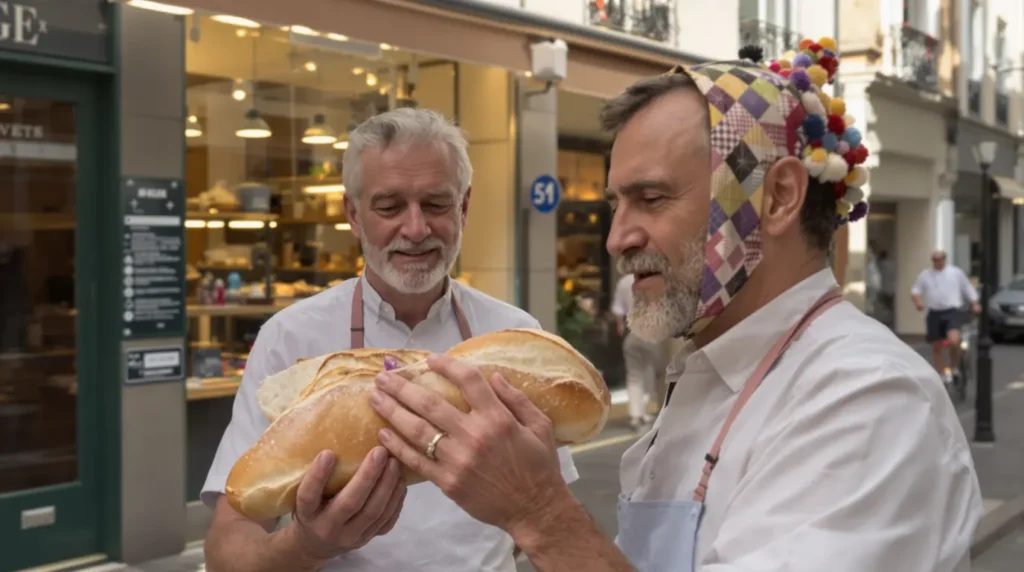
In France, the term “boulangerie” carries significant weight. If the sign displays this word, the law mandates that the bread must be made on the premises using raw ingredients. In other words, any establishment claiming to be an artisanal bakery is required to knead, ferment, shape, and bake its bread on-site.
This regulation, in effect since 1998, prevents the use of pre-made frozen dough under the label of “bakery.” Therefore, your first action upon entering should be to check the sign. If it reads “boulangerie” or “artisan boulanger,” you’re already off to a promising start.
Why this criterion outweighs the senses
While the warm scent of freshly baked bread, a golden crust, and an airy crumb provide clues, they can often be misleading. Industrial bakers have perfected their recipes and equipment to mimic “homemade” bread. A baguette emerging from a terminal oven might look fresh, but it could be made from frozen dough.
In contrast, the regulated terminology is backed by inspections and concrete obligations. It serves as a legal assurance, not merely a sensory one. If the establishment has the right to use this term, it signifies that the bread is indeed made “from start to finish” on-site.
Additional signs of authenticity, or red flags
Visible Baking Space: A window into the baking area, a visible mixer, or employees actively working provide tangible evidence of on-site production.
Labeling and Certifications: Look for the “Boulanger de France” label, which guarantees that the baker prepares all products in-house and adheres to strict guidelines. This logo can typically be found on the storefront or counter.
Transparent Pricing and Information: A reputable establishment will clearly display its prices and information. If they donate unsold goods to charities, it’s a good sign of local, responsible production.
Variety and Seasonality: A daily updated selection, special breads, or seasonal recipes indicate homemade production, while terminal baking locations often offer a limited, standardized range.
Warning signs of frozen bread
Be cautious if you notice boxes or pallets labeled “frozen dough,” or if the back of the bakery is clearly a refrigerated storage area. Establishments labeled as “bread depots” or “baking terminals” are not artisanal bakeries.
Another red flag is frequent promotions on bulk baguette purchases or prices that seem unusually low. Artisan production requires time and skill, and suspiciously low prices may indicate industrial preparation.
How to confirm your suspicions
Simply ask, “Is the bread made here?” The answer should be clear and straightforward.
Look for the “Boulanger de France” label or a sign stating “made on-site.” Bakers who take pride in their craft are usually happy to display this information.
If possible, observe the baking process. Witnessing the kneading, shaping, or baking offers the most direct proof of genuine artisanal production.
Why it matters in your daily life
Bread is more than just food; for many, it evokes memories and traditions. Knowing whether your baguette comes from a local, artisanal source enhances the experience, impacting texture, flavor, and shelf life.
Supporting a true artisanal bakery not only promotes traditional craftsmanship but also bolsters local economies. Don’t hesitate to inquire; a passionate artisan will be eager to share their methods.
In summary
Always check the sign. If it claims to be a boulangerie or artisan boulanger, the law requires on-site production. This is the simplest and most reliable indicator for distinguishing freshly baked bread from frozen goods.