
Ancient Tomatoes Attracting More Buyers
Ancient tomatoes are increasingly captivating the attention of consumers. While they often come with a higher price tag, they promise a more pronounced flavor. But how are these tomatoes cultivated, and do they truly justify their cost amidst the blend of marketing and reality?
A Resurgence… But Not Necessarily “Old-School”
Shoppers rave about tomatoes that are juicier and sweeter. This enthusiasm is reflected in the pricing; for instance, a kilogram of beefsteak tomatoes can sell for around $7.95, compared to just $3.95 for conventional varieties. However, contrary to the romanticized image of traditional farming, most of these heirloom varieties are grown in greenhouses and hydroponically. In Brittany, local production is already in full swing, with some sectors reporting several hundred tons harvested annually. Nationally, nearly 15% of France’s tomato production is now classified as “heirloom.”
How Are They Cultivated?
The cultivation techniques for these tomatoes resemble those used for conventional ones. Growers operate in greenhouses equipped with strict climate control, meticulously regulating ventilation, humidity, and temperature to optimize plant growth. Many producers choose hydroponic methods to better control water and nutrient distribution. Without greenhouses, the availability of heirloom tomatoes would be significantly delayed, with peak harvests occurring mainly in July and August.
Heirloom Varieties: Tradition or Innovation?
The term “heirloom” doesn’t always imply that a plant’s lineage remains unchanged. Many of these varieties have been crossbreeded in laboratories. Seed companies blend resilient, high-yield plants with those boasting superior flavor. Research teams test between 50 and 70 new varieties each season, with each candidate undergoing rigorous assessments for appearance, yield, disease resistance, and sugar content.
The Sweetness Factor: Understanding Brix Levels
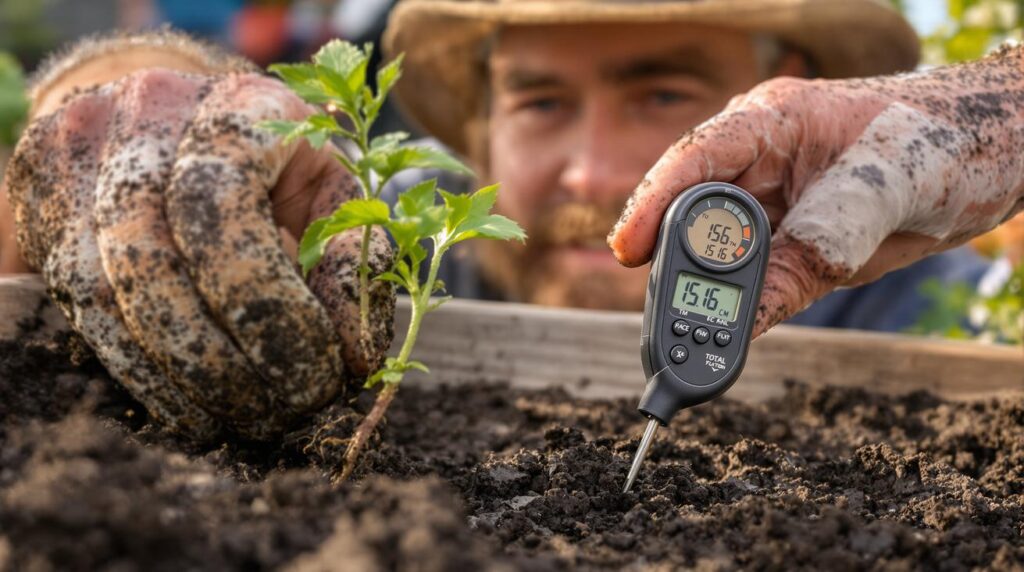
The sweetness of a tomato is quantified by its Brix level. Authentic heirloom varieties typically have a Brix ranging from 7 to 9, while producers aim for a minimum of 5 to ensure a flavorful experience. A tomato nearing 8 on the Brix scale is deemed very sweet. However, appearance also matters; while a blemished tomato may still be edible, it risks losing its “premium” classification in the market.
Why Are They More Expensive?
Several factors contribute to the higher price of heirloom tomatoes. First, the selection and testing processes are costly. Additionally, many varieties yield less fruit. Finally, the demand is rising rapidly. A producer in Brittany has seen their acreage dedicated to heirloom varieties triple or quadruple in just a few years, with the market growing by approximately 20 to 25% annually in both volume and price.
How to Identify a True Heirloom Tomato
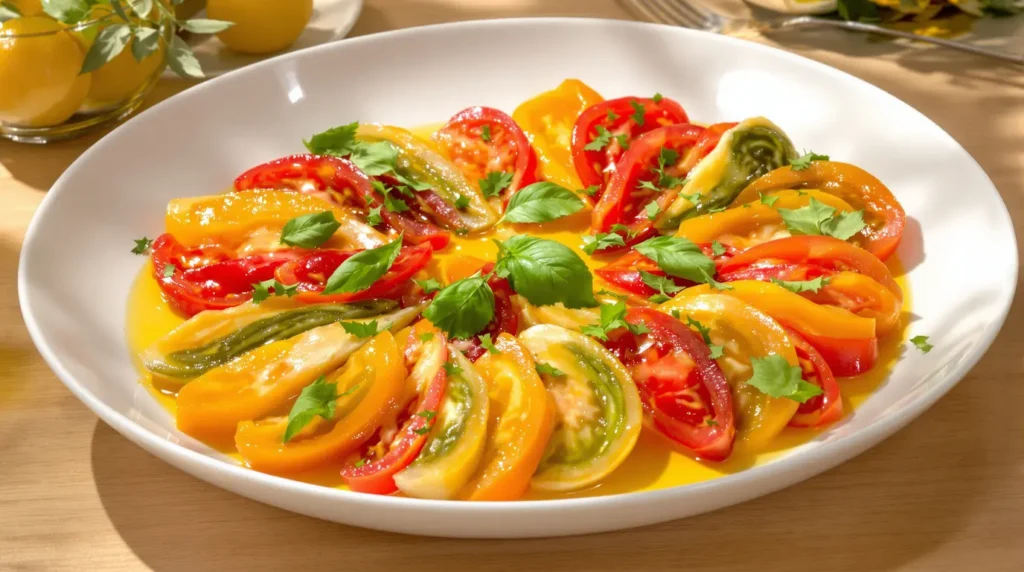
To spot an authentic heirloom tomato, look for irregular shapes and a range of colors. If possible, inquire about the sugar content or taste a sample before purchasing. Also, check the origin, as many come from modern greenhouse operations.
Practical Tips and a Simple Recipe
To fully enjoy the flavor of heirloom tomatoes, select those that are ripe and at room temperature, keeping them out of direct sunlight. If necessary, refrigerate them only a few hours before serving.
Ingredients:
- 4 beefsteak tomatoes (approximately 800 g)
- 1 tablespoon olive oil
- 1 tablespoon balsamic vinegar
- 6 basil leaves
- Salt and pepper to taste
Preparation:
- Slice the tomatoes into thick rounds and arrange them on a plate.
- Drizzle with olive oil and balsamic vinegar.
- Sprinkle with finely chopped basil, and season with salt and pepper just before serving.
- Serve immediately to savor their natural sweetness.
In Summary
Heirloom tomatoes often deliver a richer flavor profile, although they are rarely grown in the traditional sense. They benefit from modern selection techniques and advanced greenhouse technology. The premium price reflects their increasing demand, the selection process, and sometimes a lower yield. If you’re in search of authentic taste, experimenting and tasting is the best approach. A truly sweet tomato is easy to identify, and sometimes that flavor justifies the price difference for a simple yet delightful dish.