
Transforming frustration into success with sacrificial plants
Are your young plants being devoured before they have a chance to thrive? The technique of using sacrificial plants can turn this frustration into a successful gardening experience. Simple, eco-friendly, and often surprising, this method redirects pests toward a sacrificial plant, safeguarding your precious vegetables.
Understanding sacrificial plants and their effectiveness
The concept of trap cropping is straightforward: provide herbivorous insects with a lure that’s more attractive than your valuable crops. Pests select their hosts based on olfactory and visual cues. By placing a preferred plant slightly away from your main crops, you can effectively divert them away from your young seedlings.
This method doesn’t eliminate pests outright but instead promotes a natural balance. Beneficial predator populations, like ladybugs, hoverflies, and lacewings, can also find their food more easily. The result? Less reliance on chemical treatments and healthier harvests.
Effective trap plants and their targets
Certain plant combinations yield impressive results. Here are some popular pairings favored by gardeners:
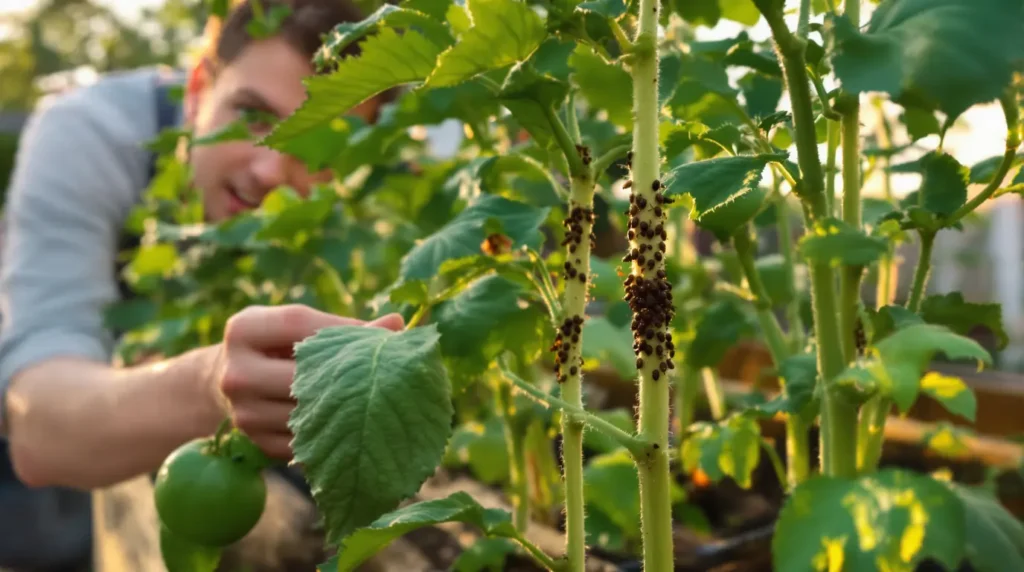
- Nasturtium near tomatoes: Attracts black aphids, protecting the sap of tomato plants.
- White mustard around cabbages: Draws flea beetles, minimizing damage to brassicas.
- Chervil alongside salads: Helps keep slugs at bay after rainfall.
- Ornamental tobacco (Nicotiana): Diverts whiteflies away from eggplants and peppers.
These plants are not standalone miracle solutions; they work best in combination and by diversifying your garden layout.
When and how to install your sacrificial plants
Timing is crucial. Sowing or planting your trap crops a few weeks before introducing your main vegetables allows these plants to establish themselves robustly by the time pests arrive. If the trap plants are too young, they won’t effectively attract insects.
For placement, arrange the sacrificial plants around the perimeter of your garden beds or intersperse them every two to three feet within the garden. Avoid placing them too close to the crops you intend to protect, as this proximity can create a direct transfer route for pests.
What to do when the trap plant is infested
When your sacrificial plant is overwhelmed with insects, you have several options. The first is patience. Allowing nature to take its course can lead to the arrival of beneficial insects that will help regulate the pest population.
If the infestation becomes unmanageable, it’s best to remove the plant. However, don’t toss it on the compost heap if pests are still active. Instead, dispose of it mechanically or feed it to chickens, preventing a potential source of infestation for the following season.
Common mistakes and practical tips
Several missteps can undermine the effectiveness of sacrificial plants:
- Planting them too close to protected crops creates a natural bridge for pests.
- Delaying intervention if the plant becomes an uncontrollable infestation.
- Failing to diversify trap plants can limit your coverage against various pests.
Here are some helpful tips: regularly monitor your trap plants, encourage beneficial insects by providing habitats or flowering plants, and consider rotating your plant associations from year to year.
In the garden, utilizing sacrificial plants is a straightforward technique. It requires observation and a bit of planning but can yield significant benefits. Why not give it a try this season with some nasturtiums alongside your tomatoes? You might be pleasantly surprised by the results.