
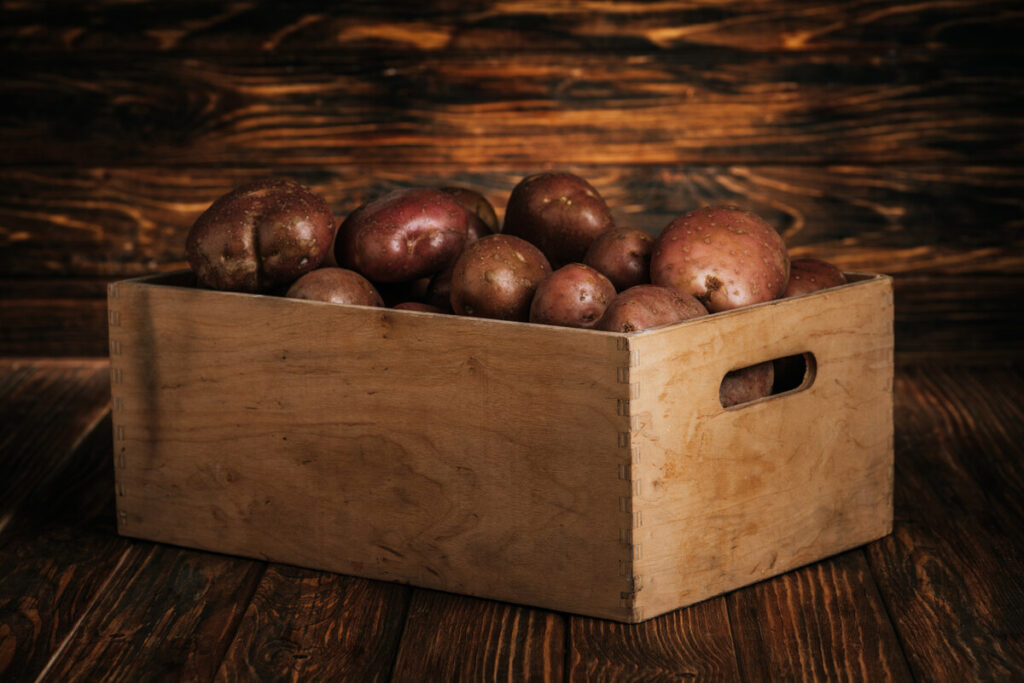
Countertop or vegetable drawer? Neither of these two spots really gives potatoes the conditions they need. To keep them from turning green, spoiling or losing their texture, a few simple storage rules make all the difference.
Most of us set our potatoes in a basket on the kitchen counter or, almost by reflex, slide them into the vegetable drawer of the fridge. Yet potatoes truly enjoy neither the light of a kitchen nor a sharp chill. To keep them firm for longer and protect their texture as much as possible, it is worth giving them one very particular place: a cool, dry, dark and well-ventilated space, such as a cellar, a pantry or a cupboard far away from any source of heat.
Why the counter is a poor choice
The trouble with the counter is mostly a question of exposure. Light encourages potatoes to turn green, and a kitchen can heat up in no time, especially close to the oven or the cooktop. A basket sitting right there gets the worst of both.
What the fridge does to raw potatoes
The fridge is the opposite problem: it subjects raw potatoes to very low temperatures. In the cold, part of the starch that potatoes naturally contain converts into glucose and fructose, a process known as cold sweetening.
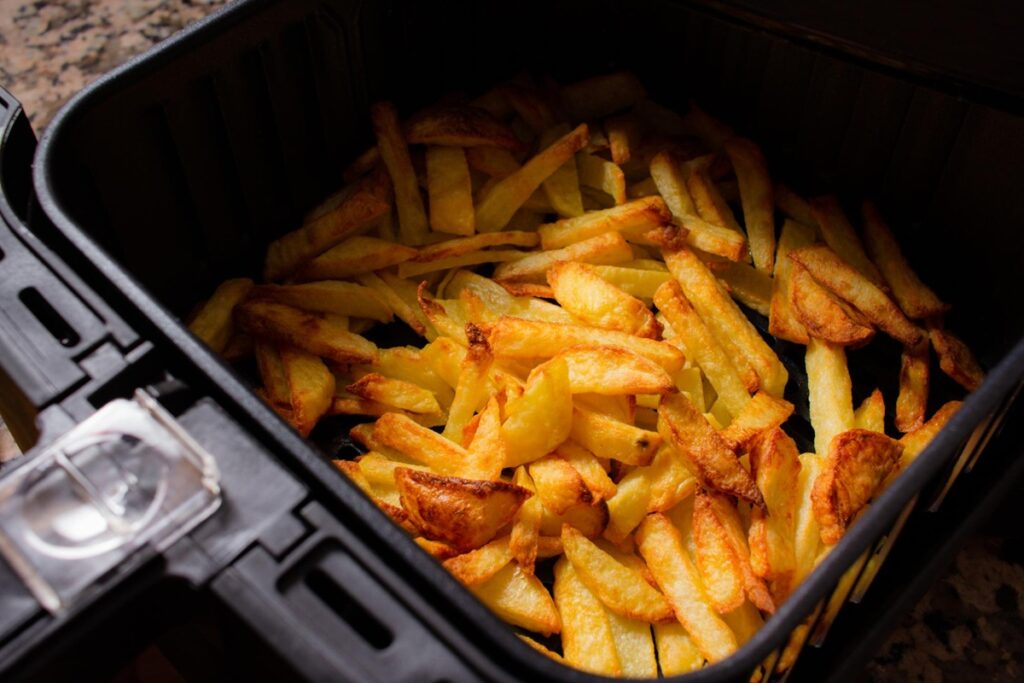
That change is not harmless once you start cooking. When potatoes go through intense heat, especially to make fries, roasted potatoes or chips, the sugars created by the cold help them brown more readily. The result can be less appealing, with a darker color and a different flavor. It is a good reminder that the fridge is not automatically the best ally for keeping every food.
What about acrylamide?
There is also the matter of acrylamide, a substance that can form when certain starchy foods are cooked at high temperatures. Cold storage may increase acrylamide levels, particularly when the potatoes are later fried, roasted or baked. In other words, what really deserves your attention is the combination of how you store potatoes and how you cook them, if you want to preserve the best qualities of the tuber.
A dark, cool and dry place is the best choice
So where should they go? The good news is that you do not need any special equipment. A dark, fairly cool cupboard, a cellar or a pantry will do, as long as the spot stays dry and well ventilated.
Potatoes should never be shut away in an airtight plastic bag, because moisture can build up inside and speed up spoilage. A container that lets air circulate is a much better option. Keep them away from windows and, more generally, from any place that gets direct light or sits close to a strong source of heat.
Finding the middle ground
The right instinct is to look around your home for a happy medium between the two places we think of first. Not the very low temperature of the fridge, and not the heat and light of the counter: potatoes are happiest in the darkness of a cool, dry space.
A well-chosen cupboard can easily become their best home, as long as you check on them regularly. If a few start to spoil, take them out right away so they do not affect the others.