
Surprising cake transformation: a lemon dessert without butter or cream
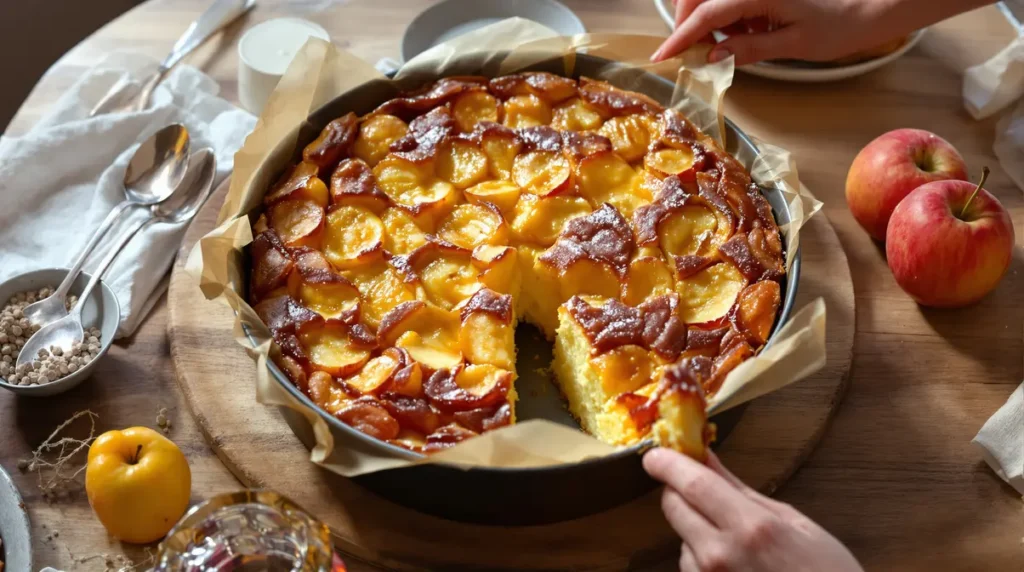
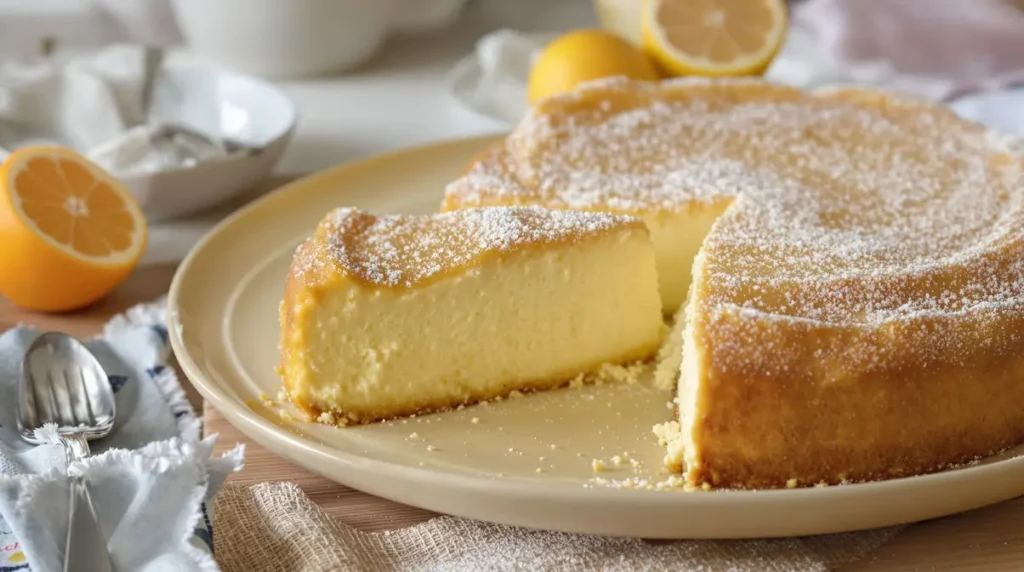
I removed two classic ingredients from my lemon cake recipe, and the outcome was unexpectedly delightful. This cake has now become my favorite dessert. Without butter or cream, it remains incredibly moist, allowing the lemon flavor to shine through. Here’s a simple recipe, along with variations and adjustments that make all the difference.
Why removing butter and cream changes everything
By eliminating these heavy fats, we create space for the flavors to emerge more distinctly. The zest of the lemon becomes sharper, and the texture undergoes a remarkable transformation. Ricotta takes the place of butter and cream, adding moisture without the heaviness.
Ingredients for a 20 cm cake pan (8 to 10 servings)
Here’s a reliable base that you can recreate with confidence:
- 250 g ricotta
- 150 g sugar
- 3 eggs
- Zest of one whole lemon (preferably organic)
- Juice of 1/2 lemon (optional)
- 180 g flour
- 1 packet of baking powder (8 g)
- A pinch of salt
- Optional: 1 tsp vanilla extract
For the pan: a little neutral oil and flour, or parchment paper
Step-by-step preparation
Preheat your oven to 170 °C (340 °F). Grease and flour a 20 cm cake pan or line it with parchment paper.
In a mixing bowl, whisk the eggs and sugar for 2 to 3 minutes. The mixture should become light and slightly frothy, which is essential for achieving a light texture.
Add the ricotta, lemon zest, and juice (if using). Gently mix to avoid deflating the air you’ve incorporated. Grate the lemon zest finely, avoiding the bitter white pith for a clean flavor.
Sift in the flour, baking powder, and pinch of salt. Combine with just a few strokes; the batter should remain soft, neither too liquid nor too thick.
Pour the mixture into the prepared pan and smooth the surface. Bake for 30 minutes at 170 °C (340 °F). The cake is done when the top is a light golden brown, and a knife inserted in the center comes out almost clean.
Allow to cool for 10 minutes before turning out, then let it cool completely on a wire rack. Wait until the cake is fully cold to slice neatly.
Variations that maintain the same “cloud-like” texture
Blood orange version: Substitute the lemon zest with zest from a blood orange. Add 1 to 2 tablespoons of its juice. The flavor will become rounder and more floral, with the ricotta enhancing this citrus fruit while keeping the crumb ultra-tender.
Raspberry version: Fold in 120 g of frozen raspberries, rolling them first in 1 tablespoon of flour to prevent them from sinking. The pink marbling adds visual contrast and a touch of acidity.
Intense lemon version with glaze: Double the zest (zest of 2 lemons). Create a quick glaze with 80 g of powdered sugar and 1 to 2 tablespoons of lemon juice. Drizzle the glaze over the cooled cake for a glossy, slightly crisp finish.
Serving suggestions for maximum impact
For an afternoon treat, serve the slices plain or dusted with a light sprinkle of powdered sugar. Paired with black tea or lemonade, the tartness and moistness create an addictive balance.
As a dessert, complement with a berry coulis or a citrus salad. A spoonful of coulis is sufficient. Keep the slice clean and add a grated zest at the last moment to enhance the aroma.
Storage tips and adjustments
The cake stays fresh for three days under a dome at room temperature. The ricotta helps maintain moisture in the crumb. If stored in the refrigerator, it becomes slightly denser, akin to a cheesecake. Remove from the fridge 10 minutes prior to serving to restore its moisture.
If the ricotta seems too wet, drain it for 10 minutes in a fine sieve. If the top browns too quickly, cover it loosely with parchment paper during baking.
For a taller cake, use a slightly smaller pan. For a thinner version, opt for a larger pan and reduce the baking time by a few minutes. These adjustments are simple but effective.
In summary
This recipe demonstrates that it is possible to forgo butter and cream without sacrificing indulgence. The ricotta creates a tender crumb, and the lemon flavor takes center stage. You now have a reliable base that adapts to your cravings while consistently delivering a moist and flavorful result.
About the author
Emma Bellanger is a French gastronomy expert and culinary journalist, passionate about the world of flavor. She guides food enthusiasts in discovering authentic recipes and trends. Emma combines in-depth knowledge, a keen eye for innovation, and sound advice to present a selection of enriching content tailored for both amateur cooks and professionals in the realm of French cuisine.