
Transform your coffee grounds: nine practical uses
Are you tossing out coffee grounds without a second thought? Wait! This aromatic residue holds a treasure trove of practical applications. From your garden to your home and even personal care, coffee grounds can provide a second life. Here are nine simple and effective ways to put them to use.
1. homemade face exfoliant
Coffee grounds remove dead skin cells and invigorate your complexion. Combine 2 tablespoons of coffee grounds with 1 tablespoon of honey and 1 tablespoon of olive oil. Gently massage the mixture onto your damp face for 30 seconds, then rinse with warm water. Be sure to conduct a patch test on a small area before use.
2. energizing body scrub
For a more robust treatment, mix 1 cup (250 ml) of coffee grounds with 1/2 cup (125 ml) of melted coconut oil and 2 tablespoons of sugar. Massage the scrub onto your damp skin while showering, then rinse without soap to maintain hydration. Limit use to once a week.
3. scalp refresher
Coffee grounds help eliminate product buildup and gently stimulate circulation. After shampooing, rub 1 to 2 tablespoons of damp coffee grounds onto your scalp. Massage for a few minutes, then rinse thoroughly. Avoid this method if your scalp is irritated.
4. natural refrigerator deodorizer
Coffee grounds absorb unpleasant odors with ease. Dry the grounds in the oven at low heat, then place 1/2 cup in a small bowl at the back of your refrigerator. Replace every two weeks for optimal freshness, a simple and effective solution.
5. odor-absorbing sachets for shoes and closets
Fill a clean sock or a small fabric pouch with 1/4 cup of dried coffee grounds. Tie it off and tuck it into shoes or closets. The grounds will keep these spaces fresh while imparting a subtle coffee scent. Change the contents every 2 to 4 weeks.
6. soil amendment for gardens and compost
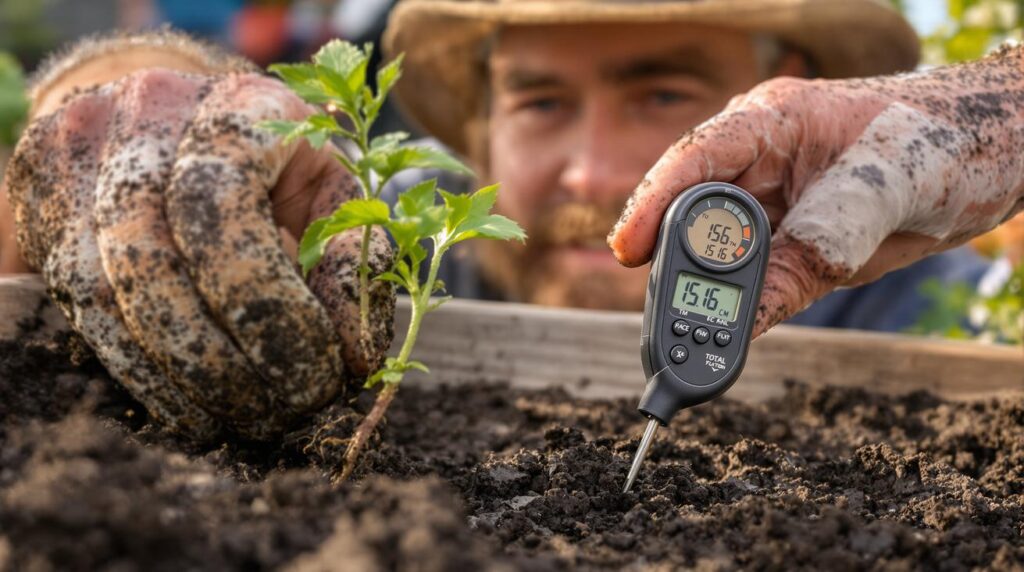
Coffee grounds enrich soil with organic matter. Spread a thin layer of dried grounds, about 1 cup per square meter, then mix it lightly into the soil. For compost, combine 1 part coffee grounds with 3 parts green materials. Avoid thick layers, as damp grounds can compact and hinder aeration.
7. barrier against slugs and snails
Create a ring of dry coffee grounds around delicate plants. The gritty texture can deter these pests from crossing. Refresh the barrier after rainfall. While this method isn’t foolproof, it often minimizes damage.
8. abrasive household cleaner
Coffee grounds serve as a gentle abrasive that won’t scratch surfaces. Mix 2 tablespoons of coffee grounds with 1 tablespoon of mild liquid soap and a splash of water to form a paste. Use it to scrub greasy surfaces, burnt pots, or cutting boards, then rinse thoroughly. Avoid using on very porous or delicate enamel surfaces.
9. natural dye for fabrics and wood
Coffee grounds can create a warm brown dye. Boil 3 cups of water with 1 cup of coffee grounds for 15 minutes. Strain the liquid, then submerge fabric in the warm dye for 30 minutes, rinsing afterward. To revitalize furniture, apply the dye with a brush in thin layers. Always test on a small area first.
Storage tips and precautions
If you’re not using your coffee grounds immediately, dry them out to prevent mold, which can develop within 24 to 48 hours. Store them in the refrigerator or on a low-temperature radiator. For skin care applications, conduct a patch test first to avoid reactions, and refrain from using on damaged skin. Lastly, remember that coffee grounds may attract animals, so store them airtight if necessary.
Coffee grounds are far from waste; they can become a versatile ally with minimal effort. You may find yourself reimagining your coffee ritual as it takes on new, useful dimensions.