
You think you know the camargue for its rice? think again
Just a stone’s throw from Arles, a different kind of agriculture emerges each season, showcasing the meticulous process of growing melons in open fields. Here’s an in-depth look at how melon crops are prepared from A to Z, including the machinery, human touch, and technical choices involved.
The importance of soil preparation
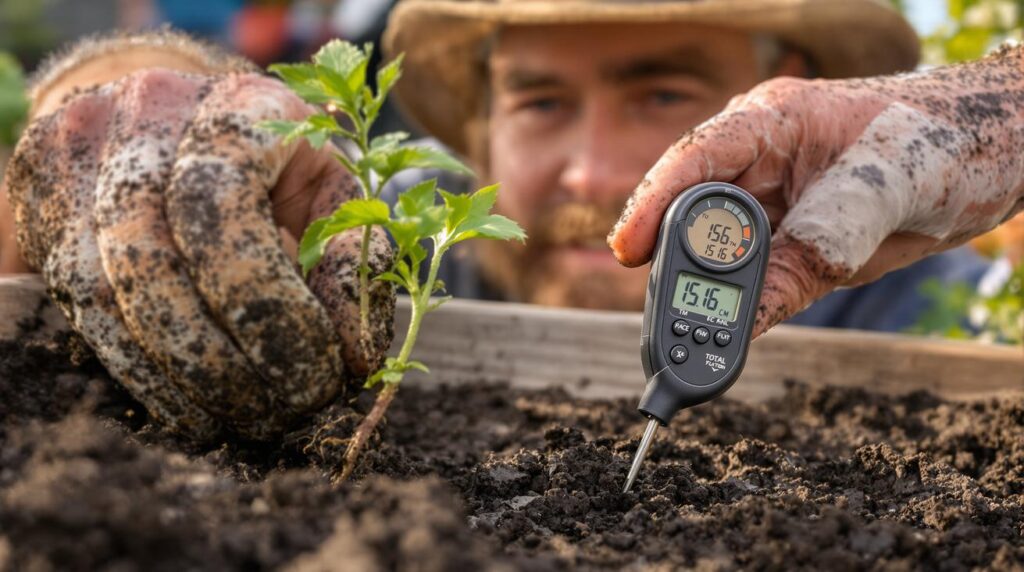
The success of a melon seedling begins long before the seed hits the ground. Soil must be tilled to a depth of approximately 30 centimeters and finely prepared. Without this essential groundwork, plants struggle to establish themselves, resulting in lower yields. In this coastal region, effective water drainage is crucial, making the preparation of ditches equally important. You’ll quickly realize that weather conditions and water management dictate the agricultural calendar here.
Key steps in the preparation process
Tilling and crumbling
The process often starts with deep tilling, sometimes reaching depths of up to 50 centimeters, using a specialized vegetable plow. This task requires powerful tractors to handle the workload. Once the soil is turned, rotary harrows move slowly, at speeds of 2 to 2.5 km/h, to break down clumps. Occasionally, a subsoiler with “goose-foot” tines works the soil to a depth of 70 centimeters before the harrowing begins. The goal is to create a fine and even planting bed.
Building the ridges and covering
A specialized machine shapes the ridges, with double-rotor tillers creating mounds that are one meter wide and 15 centimeters high. These ridges enhance soil warming and prevent moisture accumulation around the plant’s base. Following this, teams lay down plastic covers and install a drip irrigation system, an essential step before manual planting begins.
Essential equipment
– Powerful tractors (e.g., John Deere 8R) for plowing and pulling large equipment.
– Grégoire Besson plow for deep tilling.
– Wide Alpego rotary harrow (8 meters) for crumbling.
– Goose-foot type subsoiler for heavy soils.
– Double-rotor Forigo tiller for ridge formation.
– Mechanical shovel (e.g., Sany 15 tons) for ditch maintenance and minor earthworks.
– Self-propelled sprayer for phytosanitary treatments (e.g., John Deere 340M).
Planting and monitoring
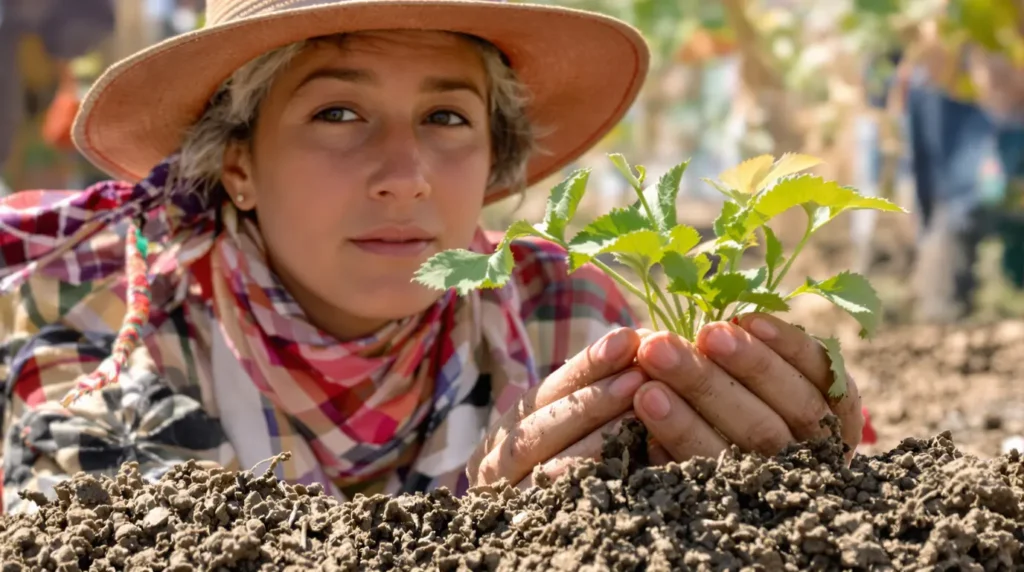
Mechanization typically halts when it comes to planting the seedlings. Melon seedlings are planted manually, with around 7,000 plants per hectare. This meticulous work is time-consuming and requires precision. After planting, drip irrigation is set up, and regular monitoring is implemented to protect the crops. Weeding between the ridges helps control unwanted plants, while fertilization is carried out using narrow-wheeled tractors to avoid damaging the plants.
Logistical and human challenges
Growing melons demands heavy organization. Farms employ dedicated drivers, mechanics, and numerous seasonal teams for critical phases. Vehicles clock significant hours; some tractors accumulate between 1,000 and 1,500 hours of operation annually. A driver might cover up to 15,000 kilometers during a harvest season, depending on the fields and storage sites.
Yields, economics, and practical tips
In open fields, melon yields typically range from 25 to 35 tons per hectare. However, rising fuel costs and economic conditions may limit the number of preparatory passes. Fewer passes often lead to a less-than-ideal planting bed.
Here are some straightforward tips for successful planting:
– Ensure proper water drainage by repairing ditches and drains during winter.
– Aim for a soil depth of 30 centimeters for optimal growth.
– Create one-meter-wide ridges that are 15 centimeters high to promote warming.
– Install an appropriate drip irrigation system and check it before planting.
– Prepare a team for the manual placement of seedlings, estimating about 7,000 plants per hectare.
In summary
The preparation of melon seedlings combines advanced technology with skilled manual labor. Impressive machinery shapes the landscape, followed by dedicated teams that plant and nurture each plot. This delicate balance between mechanical power and human expertise is what leads to the harvest of ripe, sweet, and abundant melons.