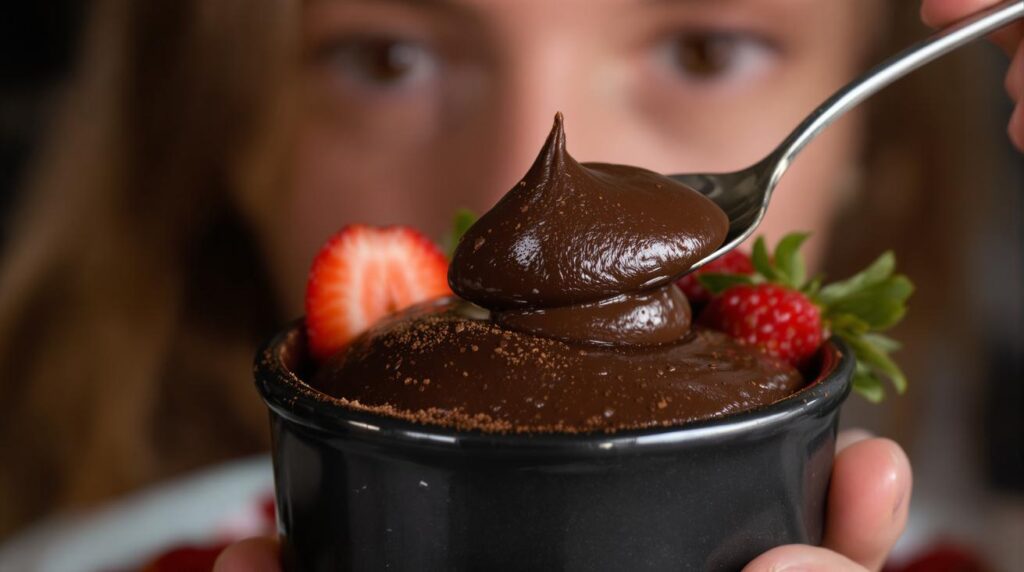


Discover the Magic of Gâteau de Savoie
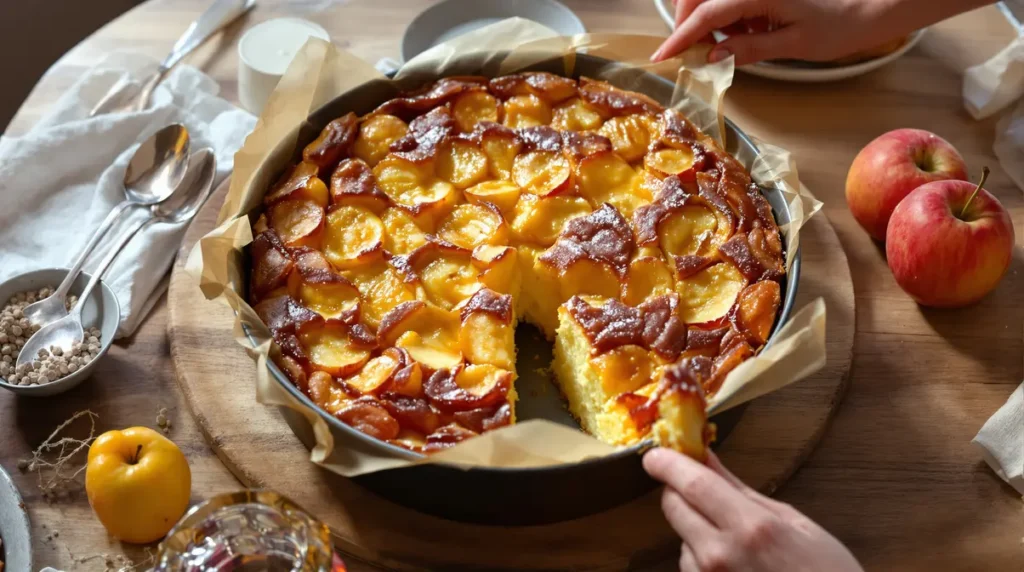
Do you dream of a dessert that melts in your mouth and evokes the comforting flavors of your grandmother’s kitchen? Dive into the delightful world of Gâteau de Savoie, an incredibly fluffy cake made without any baking powder. This recipe is simple, quick, and pays homage to traditional baking techniques.
Why This Cake Is a Little Miracle
The secret to Gâteau de Savoie lies in its lightness. Unlike many other cakes, it doesn’t require baking powder; instead, it relies on eggs, particularly whipped egg whites, to incorporate air into the batter. The result is a fine, airy crumb that practically dissolves on your palate.
This cake also charms with its simplicity. With just four primary ingredients and a few precise techniques, you can create an elegant dessert that is both economical and reassuring.
Ingredients for a 20–22 cm Cake Pan
For an authentic Gâteau de Savoie, gather the following:
– 4 large eggs, separated
– 100 g granulated sugar
– 50 g all-purpose flour
– 50 g potato starch (or cornstarch)
– A pinch of fine salt
– Zest of 1 untreated lemon (optional)
– Butter and flour for greasing the pan or parchment paper
Step-by-Step Preparation
1. Preheat your oven to 180 °C (350 °F). Grease and flour the cake pan or line it with parchment paper. Ensure your eggs are at room temperature for better volume.
2. Carefully separate the egg whites from the yolks. In a mixing bowl, whisk the yolks with 100 g of sugar until the mixture becomes pale and frothy. Sift in the flour and potato starch, and fold in the lemon zest if using.
3. Beat the egg whites with a pinch of salt until they form stiff but not dry peaks. Gently fold in half of the egg whites into the batter using a spatula, lifting from the bottom to the top. Repeat with the remaining whites, taking care to minimize overmixing.
4. Pour the batter into the prepared pan, filling it about three-quarters full. Bake for 30 to 40 minutes, checking for doneness by inserting a knife into the center; it should come out clean. If the top browns too quickly, lower the oven temperature by 10 °C (18 °F) or cover the cake with a piece of parchment paper.
5. Quickly invert the cake onto a cooling rack once removed from the oven, allowing it to cool completely. Leaving it in the pan too long risks losing its airy texture.
Key Techniques for Success
A few details can make a significant difference in your cake. Always use eggs at room temperature, and ensure the egg whites are whipped to a firm yet pliable consistency. Sifting the flour and starch prevents lumps and enhances the cake’s lightness.
Gently fold in the egg whites to maintain the airiness; overmixing will cause the batter to deflate. Keep an eye on the baking process, if the oven is too hot, the cake may rise too quickly and then collapse, while a cooler oven can yield a dense crumb.
Serving Suggestions for a Perfect Tea Time
Gâteau de Savoie is delightful on its own, but you can elevate the experience with:
– Homemade apple compote
– Fresh berries
– A dollop of lightly sweetened whipped cream
– A raspberry coulis to contrast the cake’s richness
A light dusting of powdered sugar adds a festive touch without overshadowing the cake’s delicate flavor.
Mistakes to Avoid
Be careful not to separate the eggs at the last minute; doing so can lead to yolk contamination in the whites, preventing them from whipping properly. Neglecting to sift the dry ingredients is another common error that can result in a dense cake. Finally, bake swiftly after incorporating the egg whites to prevent the air from escaping.
Variations and Tips
Feel free to substitute lemon zest with a split and scraped vanilla bean for a different flavor profile. For a richer taste, incorporate 10 g of melted butter into the yolk mixture. For a gluten-free version, use 100 g of starch (50 g of cornstarch and 50 g of potato starch), with potato starch being the best option for achieving the finest, airiest crumb.
A Timeless Classic
The allure of Gâteau de Savoie lies in its simplicity and texture, evoking memories of quiet family afternoons. With just a few steps and a touch of patience, you can create a dessert that is tender, light, and full of sweetness.
Try this recipe today and be amazed by the results. You’ll understand why this pastry remains a cherished classic in the world of baking.