
The enchanting texture of the Savoie cake
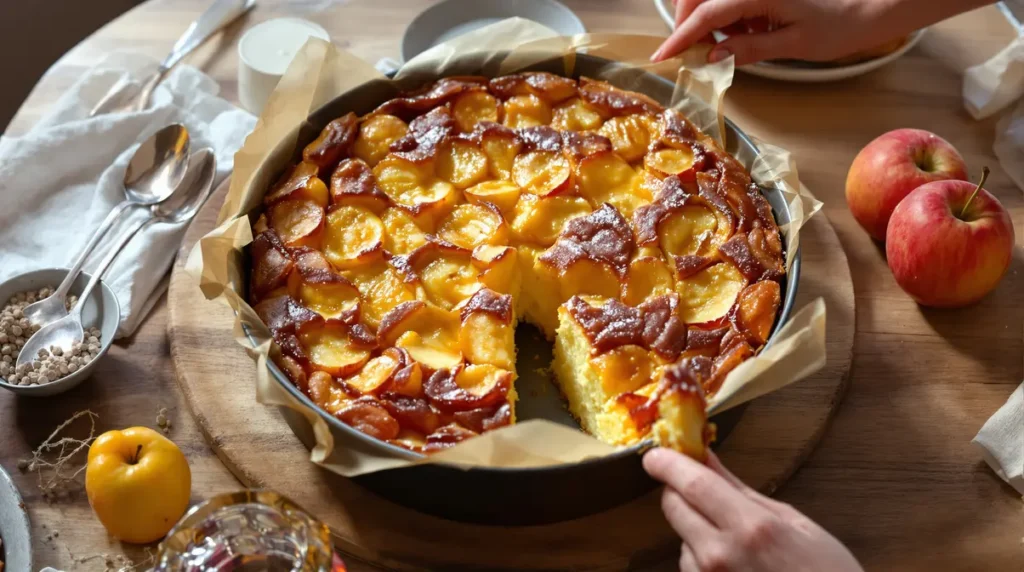
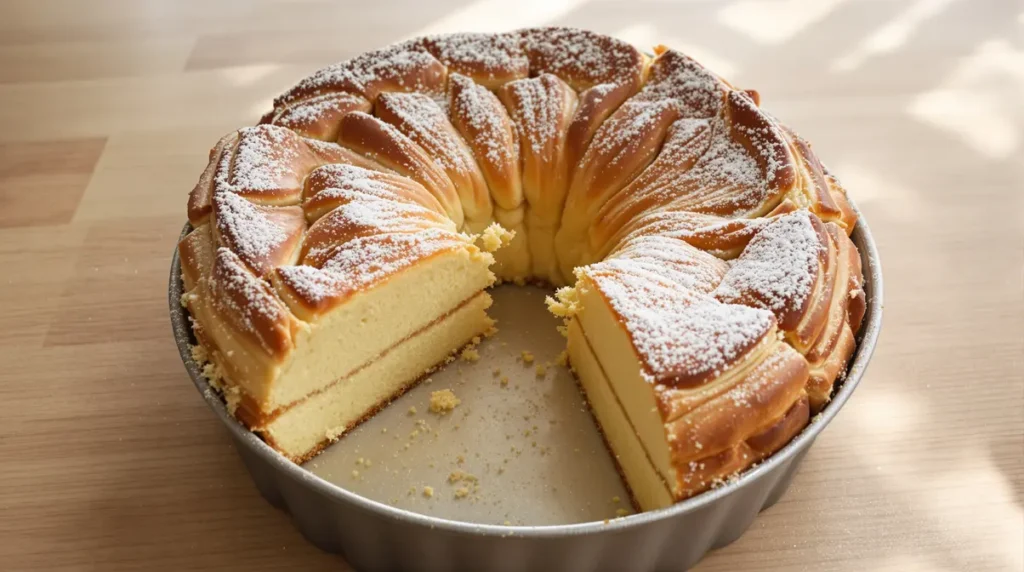
The Savoie cake captivates with its almost magical texture. It is airy, light, and surprisingly simple to prepare. In less than an hour, you can create a cake that melts in your mouth and delights everyone at the table.
Why is this cake so light?
The lightness of the Savoie cake stems from one essential technique: egg whites whipped into stiff peaks. These whites trap air, which expands in the oven, causing the batter to rise.
Delightful homemade vanilla cream
Create a smooth lemon cream in no time. Ever since I discovered this vegan version of a winter vegetable quiche, creamy, easy, and irresistibly free of eggs and cream, I haven’t looked back.
Ingredients for a perfectly risen cake (22–24 cm mold)
- 4 fresh eggs, separated
- 120 g sugar
- 60 g sifted flour
- 60 g cornstarch (Maïzena)
- Grated zest of one untreated lemon
- A pinch of salt
- Powdered sugar for dusting
- Butter and flour for the mold
Preparation: key steps for success
- Preheat the oven to 170 °C using conventional heat. Avoid using a convection setting, as it can dry out the cake.
- Grease and flour a 22–24 cm bundt pan, tapping to remove excess flour.
- In a mixing bowl, whisk the 4 egg yolks with 120 g of sugar for 3 to 4 minutes until the mixture is pale and slightly frothy. Add the lemon zest.
- Sift together the 60 g of flour and 60 g of cornstarch. Gently fold this into the yolk mixture.
- Whip the 4 egg whites with a pinch of salt until stiff peaks form. The whites should be glossy and hold firm when the whisk is lifted.
- Add one-third of the whipped egg whites to the batter to loosen it. Gently fold in the remaining whites in two additions, using a spatula to maintain as much air as possible.
- Pour the batter into the prepared mold, smooth the surface, and bake for 35 to 40 minutes. Avoid opening the oven for the first 30 minutes. A knife inserted into the center should come out clean.
- Allow the cake to rest for 15 minutes before unmolding. Cool on a wire rack and dust with powdered sugar before serving.
Chef’s tip: flavors and variations
A few simple adjustments can make a world of difference. If you enjoy vanilla, scrape the seeds from a pod and add them to the yolks. For a floral note, incorporate 1 teaspoon of orange blossom water. You can also replace lemon zest with orange zest for a sweeter aroma. These variations alter the flavor without compromising the cake’s light texture.
Practical advice to avoid mistakes
- Use eggs at room temperature for better volume.
- Avoid overmixing the batter after adding the egg whites, as excessive mixing will deflate the air.
- If the surface browns too quickly, cover it with parchment paper after 20 minutes.
- For a larger cake, increase the proportions while maintaining the same ratios of eggs, sugar, flour, and cornstarch.
Serving and storage
The Savoie cake lends itself to numerous presentations. Enjoy it plain with a dusting of powdered sugar or pair it with warm custard for a delightful contrast. A berry coulis adds a refreshing touch.
Storage: The cake keeps well for 3 to 4 days at room temperature, covered or in an airtight container. Avoid refrigeration, as it can dry out the crumb. The cake can be frozen for up to one month; allow it to thaw at room temperature for 2 hours before serving.
In summary
With just 4 eggs, some sugar, and two fine powders, you can create an airy, delicate cake. The key is simple: firm egg whites and gentle mixing. Try this recipe today, and you might find it becomes your go-to cake for tea time or dessert.
About the author
Emma Bellanger is a French culinary expert and food journalist, passionate about the world of taste. She guides food lovers in discovering authentic recipes and trends. Emma combines in-depth knowledge, trend awareness, and expert advice to offer a selection of enriching content tailored to both home cooks and professionals in French cuisine.