
Spring Surprises and the Resilient Swiss Chard
Spring often catches gardeners off guard: bright days, cool nights, and the nagging worry of late frost. Instead of postponing your sowing, why not opt for a robust and generous plant? Swiss chard, also known as leafy beet, transforms these climatic moods into an advantage. Easy to grow, productive, and resilient, it quickly becomes the ideal ally for your spring harvests.
Why Swiss Chard Thrives in Spring
Unlike many vegetables that are sensitive to temperature fluctuations, Swiss chard actually thrives on the warm-cool alternation. These thermal shocks stimulate lush foliage and delay bolting. The result? Tender, crunchy leaves with minimal effort. Swiss chard tolerates chilly nights and rapidly bounces back after a light frost, making it a reliable crop when others hesitate.
Preparing the Soil and Sowing: Simple Steps for Quick Success
Success begins with careful yet accessible soil preparation. Loosen the soil to a depth of 20 cm using a fork. Add a 2 to 3 cm layer of well-decomposed compost (about 3 kg/m²). This small step ensures vigorous root development.
You have two options for planting Swiss chard:
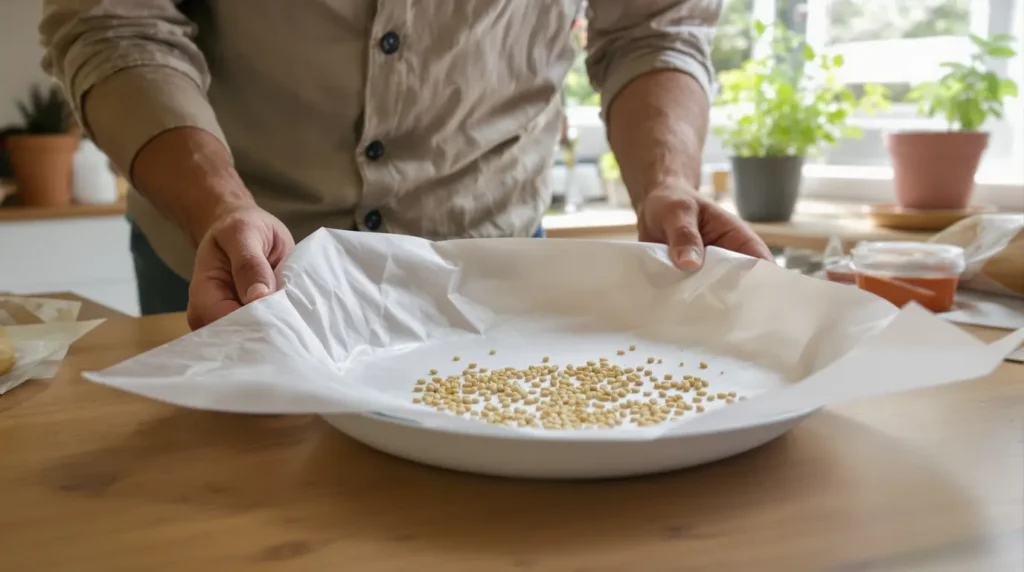
Direct sowing: Create furrows 2 to 3 cm deep, spaced 40 cm apart. Place the seeds every 15 cm and thin them out once they sprout to keep the strongest plants.
Transplanting young seedlings: If you’re short on time, purchase seedlings. Plant them 40 cm apart for optimal growth.
In favorable conditions, germination is quick, and you can expect your first harvest of young leaves in just 6 to 8 weeks.
Minimal Care, Maximum Yield
Swiss chard requires little maintenance. Regular watering is essential: keep the soil moist without over-saturating. A 5 cm layer of organic mulch (such as straw or dried grass clippings) helps reduce evaporation and suppress weeds.
To protect young leaves from slugs and snails, consider natural barriers like crushed eggshells or a sprinkle of cold wood ash. Avoid chemical pellets whenever possible.
Harvesting for Longevity
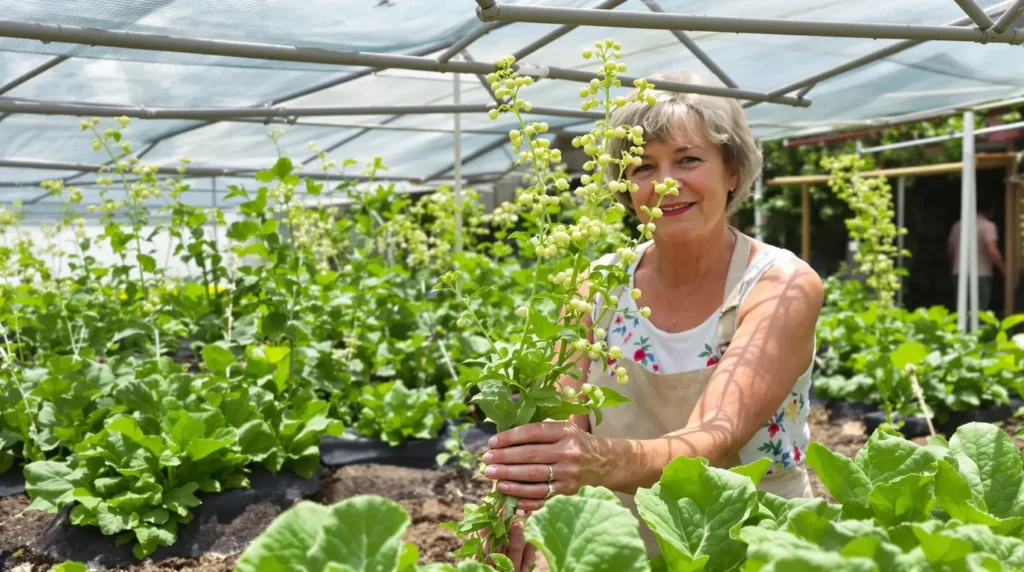
The great advantage of Swiss chard is its longevity. Never uproot the plant if you want continuous production. Instead, harvest only the outermost, mature leaves. Cut the base of the stalks cleanly to preserve the heart, allowing the plant to regrow quickly.
You can enjoy successive harvests throughout the summer and even into the fall if frost stays at bay.
Storage and Preparation
Fresh Swiss chard leaves will keep for 3 to 4 days in the refrigerator in a perforated bag. For longer storage, blanch the leaves for 2 minutes, then freeze them after draining. The white stalks can be cooked similarly to asparagus or cut into pieces for gratins.
Two Simple and Quick Recipes (Serves 4)
Here are two delightful ways to enjoy Swiss chard right from your first harvest:
Sautéed Swiss Chard with Garlic
Ingredients:
- 800 g Swiss chard leaves and stalks
- 2 tablespoons olive oil
- 3 minced garlic cloves
- Salt and pepper
- A pinch of Espelette pepper (optional)
Preparation:
Cut the stalks into 2 cm pieces and chop the leaves. Sauté the stalks in oil for 5 minutes, then add the garlic and the leaves. Cook for an additional 4 to 6 minutes. Season and serve warm.
Swiss Chard Gratin
Ingredients:
- 600 g Swiss chard stalks
- 30 g butter
- 250 ml heavy cream
- 80 g grated Gruyère cheese
- Nutmeg, salt, and pepper
Preparation:
Blanch the stalks for 10 minutes, then drain. Grease a baking dish, layer the stalks, pour over the cream, sprinkle with cheese and a touch of nutmeg. Bake for 20 minutes at 180°C until golden.
Conclusion: A Small Bet with Big Returns
Planting Swiss chard in the spring means embracing simplicity and consistency. With minimal care, long harvests, and generous culinary potential, this leafy green deserves a central place in your garden. Try it now, you’ll be pleasantly surprised by the swift results.