
Understanding bolt: why your lettuce goes to seed
Are your salads bolting before you can enjoy them? It’s certainly frustrating. But fear not; bolting is a natural process. Fortunately, there are simple steps you can take to delay it and salvage your harvest.
What is bolting and why does it happen?
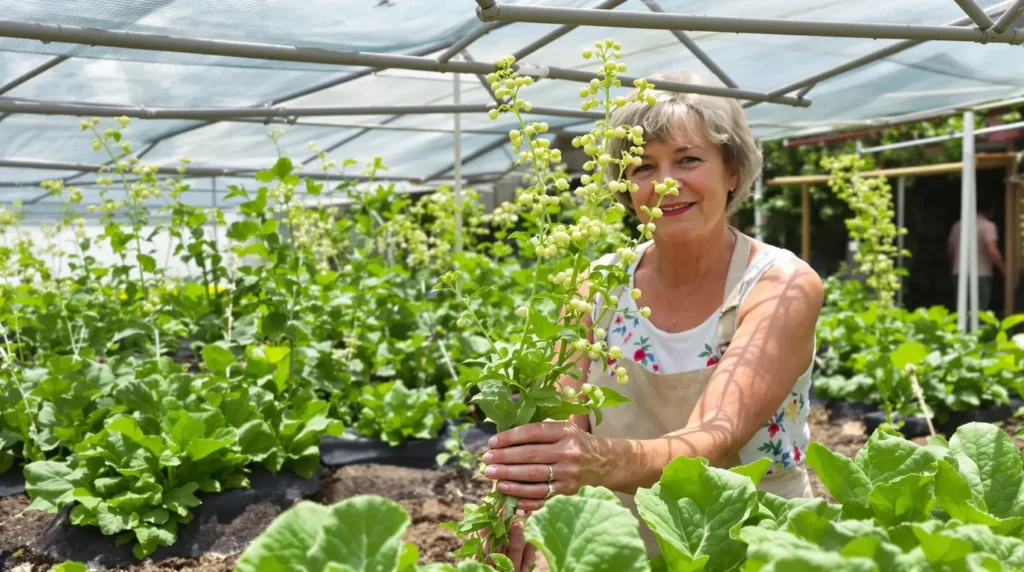
Bolting refers to the plant’s transition from producing leaves to flowering and then seed production. At this stage, the plant diverts its energy towards reproduction, resulting in leaves that become tough and bitter. For you, this translates to less enjoyable salads.
Several factors can trigger this shift. The most common are rising temperatures and longer daylight hours. Additionally, water stress, such as dry soil or inconsistent watering, can hasten the bolting process. Traumatic events like poor transplanting or sudden temperature fluctuations can also lead to premature bolting.
Which lettuce varieties bolt the quickest?
While all leafy greens can bolt, some varieties are particularly sensitive. Lettuce (Lactuca sativa) tends to bolt rapidly in the summer, often producing a flowering stem adorned with small yellow flowers.
Chicory (Cichorium sp.) and escarole also exhibit similar tendencies, especially in their second year for biennial species. Mâche may bolt, but usually later or in a more subtle manner. Mixed greens, like mesclun, vary according to their constituent species.
Signs of bolting to watch for
Keep a close eye on your plants daily. You’ll notice a central stem forming, leaves becoming smaller and more bitter, and a change in texture as they harden. If you spot these signs, it may be too late to stop bolting entirely, but you can still mitigate the damage.
How to prevent bolting
Prevention: seed selection and timing
Opt for heat-resistant varieties when sowing for the summer. Adhere to recommended planting times and stagger your sowings every two to three weeks. This way, you’ll have salads maturing at different times, reducing the risk of losing your entire crop at once.
Prevention: watering, mulching, and shading
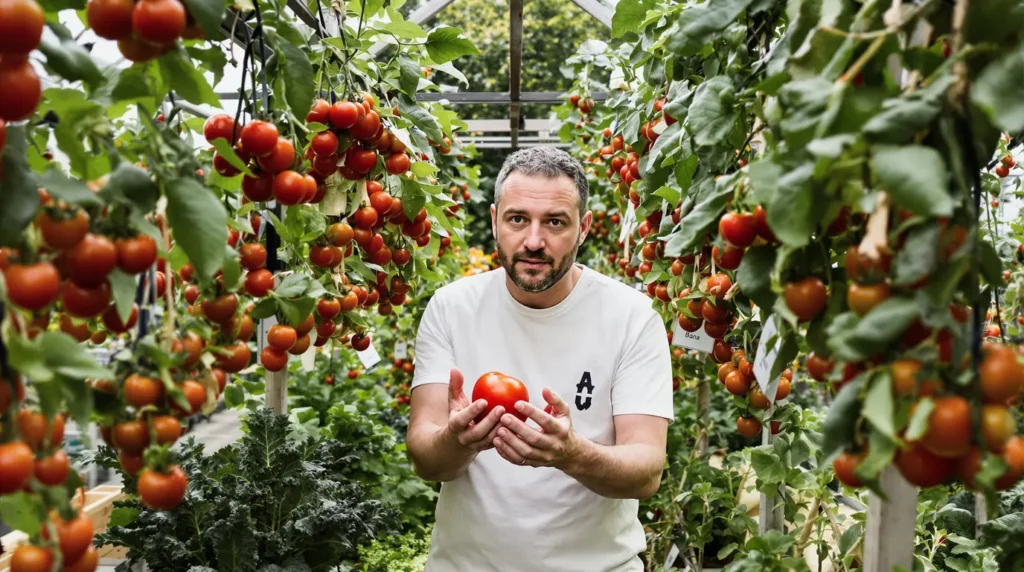
Regular watering is essential; lettuce thrives in cool, moist soil. Avoid extremes of dryness and cycles of soaking followed by drought. Mulching helps maintain soil moisture and limits overheating. Consider temporary shading during heatwaves. Companion plants like corn or tomatoes can provide light shade and cool the surrounding air.
If your lettuce is already bolting: what to do?
If bolting has already begun, you have several options. For head lettuces, it’s best to uproot and replant. For leaf lettuces, continue harvesting the young leaves before they become overly bitter.
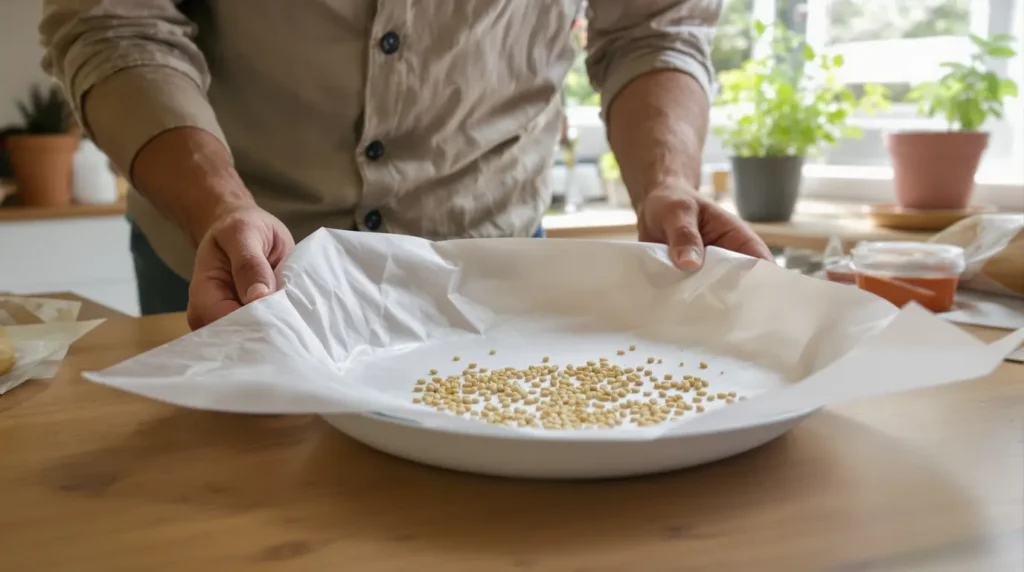
You might also let some plants go to seed for future harvesting. The flowers can attract pollinators, enriching your garden’s ecosystem. Lastly, consider composting bolted salads, which can contribute organic matter back to your garden soil as humus.
A simple action plan for summer
– Focus on staggered sowings every 2–3 weeks.
– Choose heat-resistant varieties for warm weather.
– Water consistently, ideally in the morning, to avoid drought stress.
– Apply a light mulch to keep the soil cool.
– Use shade cloth during extreme heat or plant taller companions nearby.
– Harvest young leaves promptly to enjoy them before bolting advances.
Final practical tips
For lasting success, observe your garden closely and adapt your practices accordingly. Bolting is a natural response you can’t completely eliminate. However, by harmonizing your sowing, watering, mulching, and crop associations, you can delay it long enough to savor crisp, flavorful salads.
If you’d like, I can provide a tailored planting calendar based on your climate. Just let me know your zone or frost dates, and I’ll create a straightforward growing plan for you!