

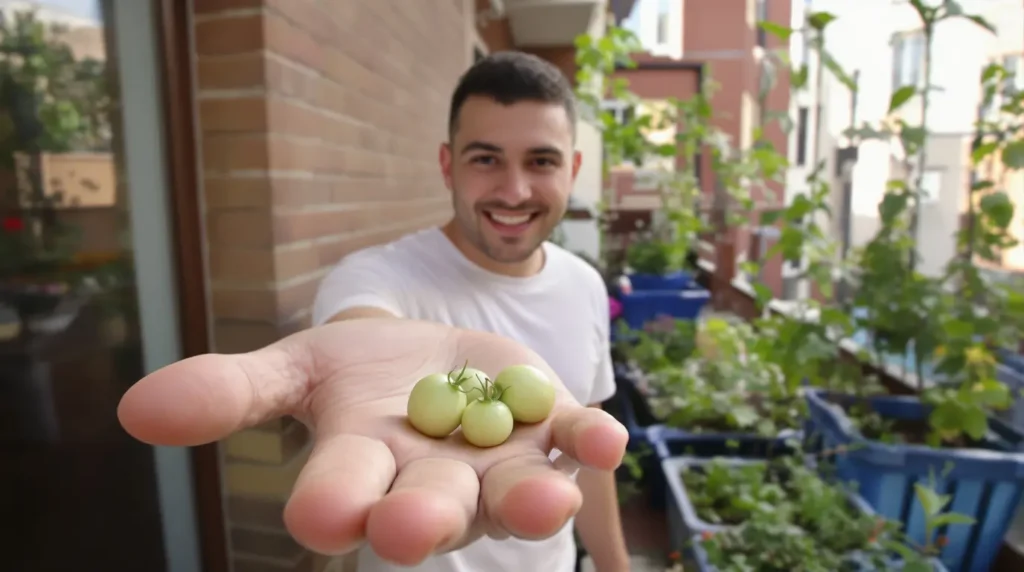
Discover the wonder of cucamelon for your urban garden
Are you on the lookout for a remarkable plant to enhance your balcony or small vegetable patch? The cucamelon, with its delightful appearance and flavor, is sure to impress. Resembling a miniature watermelon or a tiny, tart cucumber, it captivates both the eye and the palate.
What is a cucamelon?
Botanically known as Melothria scabra, the cucamelon belongs to the gourd family. This charming fruit is about the size of a grape and boasts a flavor that is not sweet but rather offers a bright acidity reminiscent of lemon zest. Native to Mexico and Central America, this vine thrives in temperate climates, although it does need a touch of warmth to kickstart its growth.
Why you should add cucamelon to your urban garden
Cucamelon is cherished for its resilience and compact size, making it an ideal choice for container gardening or balcony cultivation. A simple trellis is all it requires to climb, creating a lush and decorative green backdrop. This plant yields abundantly throughout the summer, allowing for frequent harvests with minimal effort. In the kitchen, cucamelon adds an original flair to salads and appetizers.
Planting and sowing: a step-by-step guide
Start by sowing cucamelon seeds indoors at the beginning of spring. The seeds are quite small, so sprinkle them on the surface of lightweight potting soil and gently press them down without fully covering them. Maintain a warm temperature to encourage germination. After the last frost, typically around May, transplant the seedlings into the ground or pots. Be sure to set up a sturdy trellis on planting day to prevent the fruits from touching the soil.
Care and watering
Cucamelon care is straightforward. This plant thrives in full sun but can tolerate partial shade, although it will produce better in sunlight. Regular watering is essential, especially for container-grown plants, as the soil tends to dry out quickly in warm weather. Applying organic mulch at the base helps retain moisture and reduces the frequency of watering. Generally, cucamelon is less susceptible to diseases like powdery mildew or downy mildew than its cucumber relatives. There’s no need to prune the vine; allow it to grow freely to maximize flower and fruit production.
Harvesting: when and how to pick
The first cucamelons appear in mid-summer, with production continuing until the first frost. Harvest the cucamelons when they are firm and the size of an olive or a small grape. If left too long, the skin thickens, and the seeds become tough. Regular picking helps maintain a crisp texture.
Gourmet ideas and pickling recipe
In the kitchen, cucamelon can be enjoyed raw, either halved in salads or served whole as finger food. Its tangy freshness enhances dishes without overpowering them. One of the most popular methods of preservation is pickling. Below is a simple and reliable recipe for 1-liter jars.
Ingredients:
- 500 g of washed cucamelons
- 250 ml of white vinegar
- 250 ml of water
- 2 tablespoons of sugar
- 1 tablespoon of salt
- 4 crushed garlic cloves
- 4 sprigs of dill or 2 tablespoons of fresh dill
- 1 teaspoon of black peppercorns
- 1 teaspoon of mustard seeds (optional)
Preparation:
Sterilize a 1-liter jar. Place the cucamelons and garlic at the bottom. Add the dill, peppercorns, and mustard seeds if using. Bring the vinegar, water, sugar, and salt to a boil until dissolved. Pour the hot liquid over the cucamelons to fully cover them. Seal the jar tightly and let it rest for at least two weeks before tasting. The pickles can be stored in the refrigerator for several months and pair wonderfully with charcuterie boards and sandwiches.
Common issues and quick tips
If your plants seem to be stalling, check the temperature at the season’s start. Cucamelon thrives in warmth for proper growth. Utilize a sturdy trellis, as the tendrils easily cling and the plant climbs rapidly. Refresh the mulch during summer to maintain moisture levels. Finally, frequent harvesting stimulates production and ensures consistently crisp fruits.
Cucamelon is a delightful addition to any urban garden, surprising in the garden and captivating at the dining table.