

Reviving your faded roses: three simple, eco-friendly uses
Before you toss out those wilting roses, consider the treasures they still hold. Our grandparents knew how to make the most of every bloom, and with just a few simple, economical, and eco-friendly techniques, you can breathe new life into those petals and stems. Let’s explore how to repurpose your faded roses instead of discarding them.
Why you should keep your faded roses
A wilting bouquet isn’t a failure; it’s a resource waiting to be transformed. With a little care, those roses can yield natural fragrance, new plants, and an excellent organic amendment for your garden beds. Just be sure to use untreated flowers, as this will help you avoid spreading pesticides in your home or garden.
Create homemade potpourri and freshen your space
Potpourri not only extends the life of your roses but also serves as a delightful alternative to chemical sprays. It’s quick and easy to make.
How to dry the petals
Harvest the petals before they turn completely brown. Spread 50 to 100 grams of petals on a clean cloth or drying rack in a dark, warm, and well-ventilated room. In about 2 to 3 weeks, the petals will be dry and crisp. If you’re short on time, you can also dry 10 to 15 petals in the oven at a low temperature for 30 to 60 minutes, just keep an eye on them!
Simple potpourri recipe
For a lovely blend using 50 grams of dried petals, try this combination:
– 50 grams of dried rose petals
– 10 grams of whole cloves
– 2 broken cinnamon sticks
– 3 drops of essential oil (rose geranium or orange)
Mix everything in a bowl, then place it in small dishes or a breathable jar. Give it a gentle stir occasionally to refresh the scent. Feel free to adjust the quantities based on the size of your space.
Propagate your roses through cuttings
Taking cuttings is a rewarding and cost-effective way to multiply your rose bushes. With a little patience, a single abandoned stem can grow into a beautiful new plant.
Preparing the cuttings
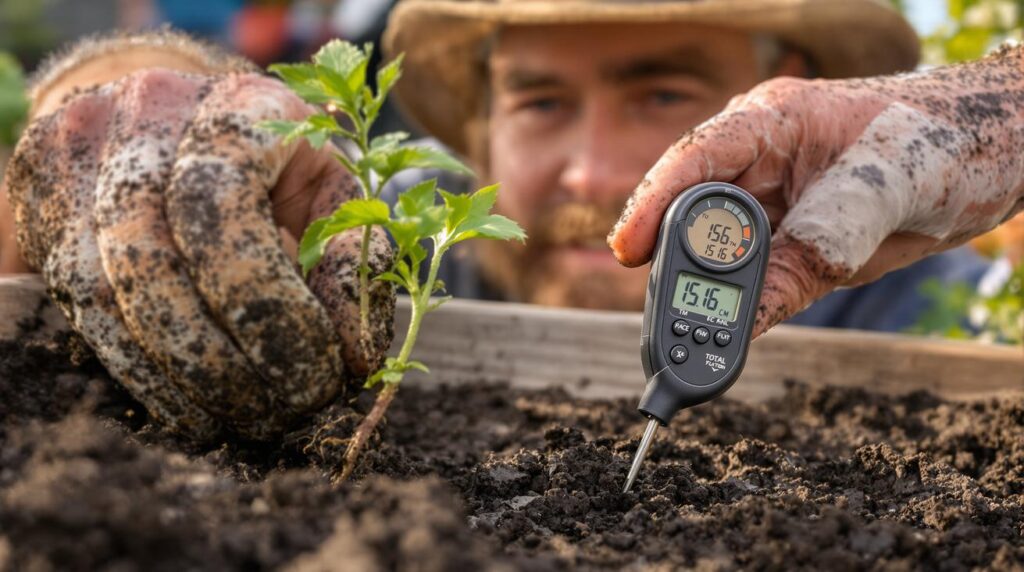
Choose healthy, vigorous stems and cut 15 to 20 cm segments just below a node. Remove the lower leaves and any wilted blooms. A clean cut is essential, as it encourages rooting.
Planting and protecting
Plant the cuttings in a light mix of equal parts potting soil and sand, inserting 5 to 7 cm of the stem into the soil and lightly firming it down. To create a mini-greenhouse effect, place a cut plastic bottle over each cutting. Keep the substrate moist with regular, gentle watering. In approximately 4 to 8 weeks, you should see new growth or roots forming.
Turn waste into compost and mulch
The leaves and stems that aren’t suitable for cuttings can still benefit your garden. They can enrich your soil and help reduce waste.
Composting your rose trimmings
Chop thorny branches into small pieces (2 to 5 cm). Mix them with green waste like vegetable peels and grass clippings. Be sure to alternate dry and wet layers to keep the compost pile aerated. After a few months of decomposition, you’ll have rich soil to use in the spring.
Using petals as mulch
Dried petals can also serve as a decorative mulch around your plants. Spread a thin layer, about 1 to 2 cm, around the base of your plants, avoiding the collar. This mulch helps retain moisture and gradually decomposes, nourishing the soil.
Practical tips and precautions
– Only use untreated roses for home fragrance or soil application.
– Avoid stacking damp petals, as moisture can lead to mold.
– Label your cuttings to keep track of the varieties and planting locations.
– Finely chop woody waste to speed up composting.
Embrace a sustainable cycle
By giving your bouquets a second life, you’re not just saving money; you’re also making a positive impact on the planet. These techniques are straightforward and require minimal tools, along with a touch of patience.
The next time you receive a bouquet, ask yourself: will it become potpourri, cuttings, or compost? With these practical solutions, you can ensure that nothing goes to waste.