
A handful of seeds in May: the old gardener’s gift
An elderly gardener offers you a handful of seeds in May, smiling as he says, “Plant these and forget about them.” You sow the seeds, and a few months later, your vegetable garden greets you just in time for winter. It’s a delightful surprise, and incredibly convenient.
Why choose parsnips for an easy garden
Parsnips are an ancient root vegetable, known for their sweet, tender flesh. They thrive in the ground and withstand the cold, which means less handling on your part. Fewer trips to the store and warm dishes when other crops have faded away is a significant advantage.
Another perk is that parsnips do not like being transplanted; they should be sown directly in their final location. Once established, they require minimal intervention, making them the ideal crop for a reliable and low-maintenance garden.
Sowing in May: simple steps that make all the difference
May offers optimal soil temperatures, making it the perfect time to sow directly in the ground. The goal is straightforward: start off well, then let the plants do their work.
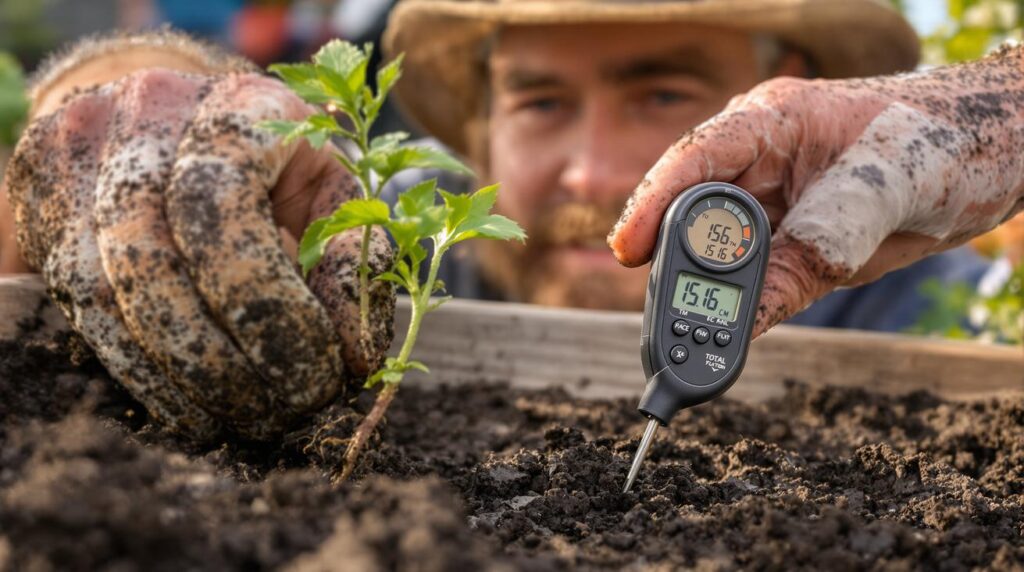
Begin by turning the soil to a depth of about a spade’s height. Remove any stones and large clumps, as parsnips prefer soft soil for upright growth. Create furrows about 2 to 3 centimeters deep, sow the seeds in rows, cover them lightly, pat down gently, and water with a fine spray. Be patient; germination can be slow. Keep the surface moist but not overly saturated.
The essential step: thinning out
After germination, one crucial task remains: thinning. When the seedlings develop a few leaves, remove the weaker ones. Aim for a spacing of 10 to 15 centimeters between each plant. This simple act transforms awkward roots into uniform, generous specimens. It’s quick and highly rewarding.
Minimal maintenance: mulching and weeding
To reduce the need for watering, protect the soil surface with a light mulch, which helps retain moisture. Alternatively, light weeding after rain can break up the crust and assist with germination. Keep an eye on weeds to prevent them from choking young plants; occasional weeding will suffice. From that point on, parsnips will grow steadily throughout the season.
Harvesting and storing: take what You need
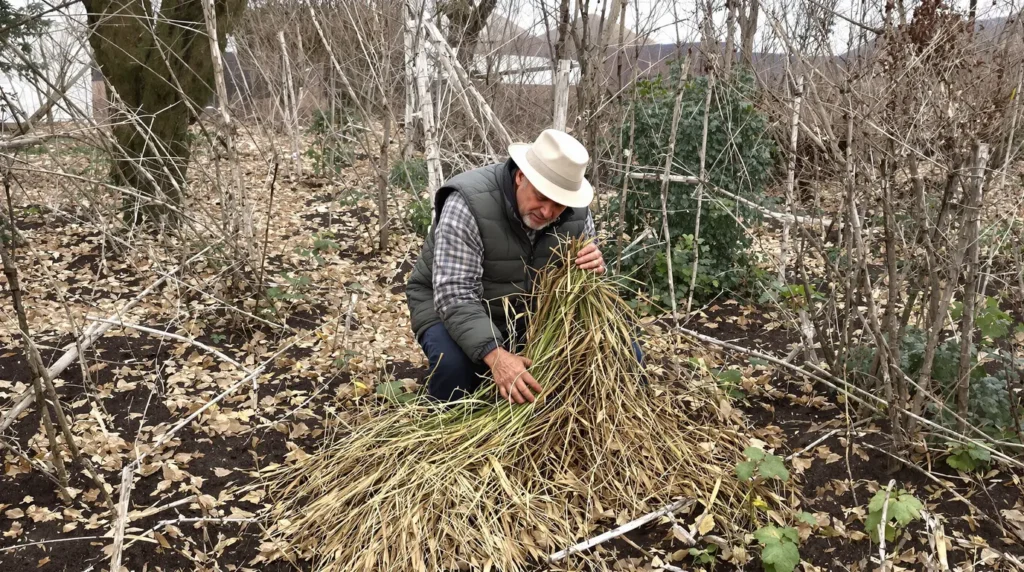
Harvesting begins in the fall and can continue into winter. As long as the ground isn’t frozen deep down, you can pull a few roots and leave the others in place. Use a fork to lift them without breaking. If frost is expected, add a thicker layer of mulch. The roots maintain their quality for an extended period, allowing you to avoid unnecessary storage and waste.
Two simple recipes to enjoy your harvest
1) honey and thyme roasted parsnips (serves 4)
**Ingredients:**
– 800 g parsnips
– 2 tablespoons olive oil
– 1 tablespoon honey
– 1 teaspoon dried thyme
– Salt and pepper
Preparation:
Preheat your oven to 200°C (400°F). Peel and cut the parsnips into 2 cm sticks. In a bowl, combine the olive oil, honey, thyme, salt, and pepper. Toss the parsnips in the mixture until well coated. Spread them out on a baking sheet and roast for 25 to 30 minutes, stirring halfway through. Serve warm.
2) parsnip and potato velouté (serves 4)
**Ingredients:**
– 600 g parsnips
– 300 g potatoes
– 1 medium onion
– 1 liter vegetable broth
– 20 cl heavy cream (optional)
– 20 g butter
– Salt and pepper
Preparation:
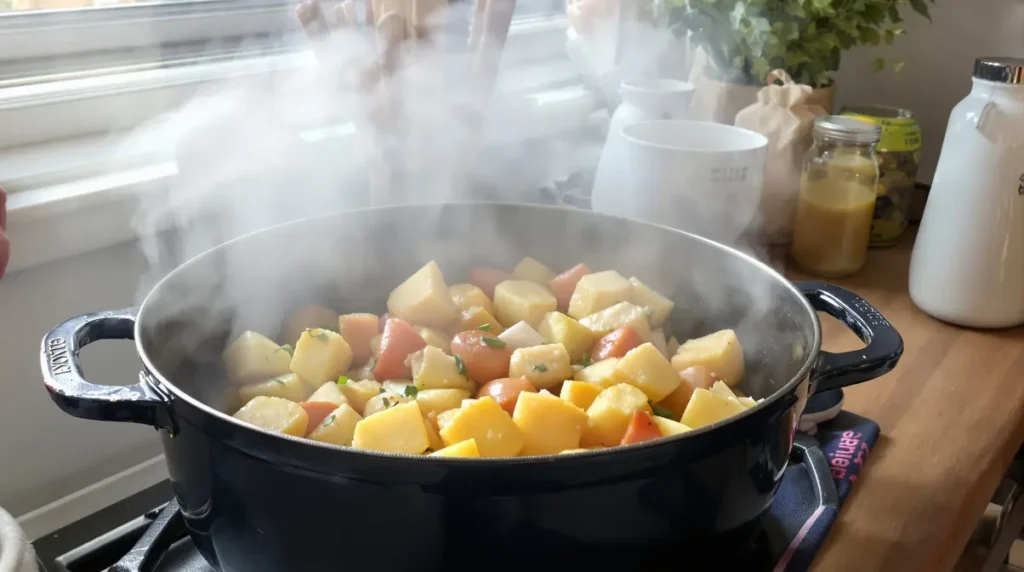
Slice the onion and sauté it in butter until soft but not browned. Add the chopped parsnips and potatoes, then cover with broth. Bring to a boil, then simmer for 20 to 25 minutes. Blend until smooth for a creamy velouté. Adjust seasoning and stir in cream if desired. Serve immediately.
Final tips for effortless success
Sow in May, plant in place, and remember to thin out. Choose deep, stone-free soil, apply a light mulch for protection, and harvest as needed. This is the recipe for success.
The true joy lies in having fresh vegetables awaiting you. Parsnips may just be the plant you’ve been searching for. Try them this season and experience the difference come the first frost.