
Why you should plant fennel this spring
Plant it once in spring, and it may flourish for years without demanding your constant attention. This aromatic vegetable not only enhances your garden but also adds a delightful anise flavor to your plate. With just a few simple steps, you can enjoy effortless harvests.
What makes fennel a favorite among farmers
Fennel releases a sweet, anise-like fragrance that permeates the garden, attracting pollinators and fostering a vibrant ecosystem around your crops. Some varieties, especially wild or “perpetual” fennel, can self-seed and regenerate year after year. Others, like Florence fennel, are often treated as annuals. By allowing a few plants to flower and go to seed, you can enhance the sustainability of your garden.
When and how to plant fennel
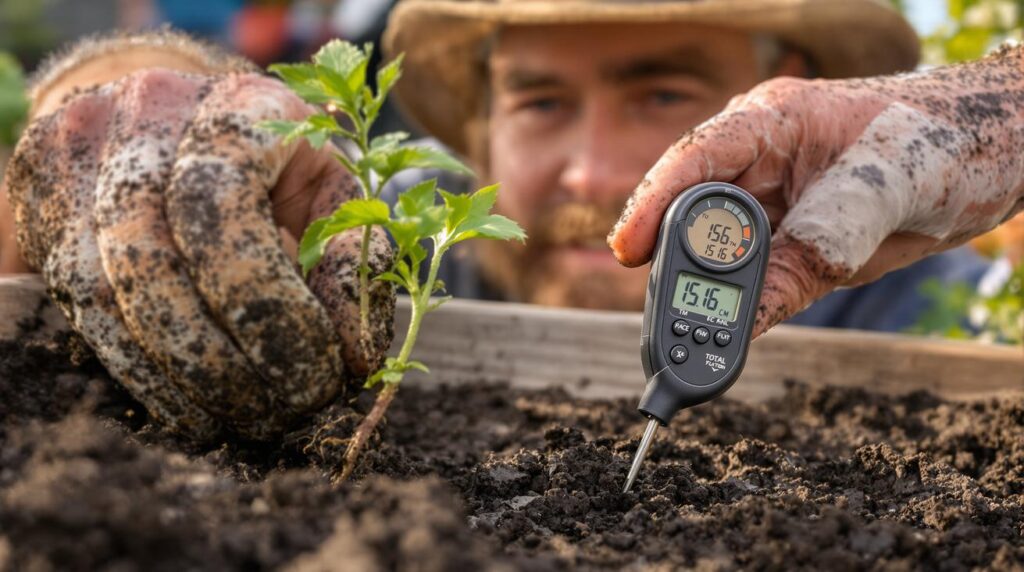
The ideal time to plant your fennel is in May, when the soil begins to warm up. Prepare a well-draining bed, as fennel dislikes standing water. Loosen the soil deeply and mix in 2 to 3 inches of well-rotted compost or a handful of sand per plant if your soil is heavy. Dig holes appropriately spaced with about 40 centimeters between each young plant.
Minimal maintenance for consistent harvests
Once the soil is well prepared, fennel requires little upkeep. A light layer of mulch made from green waste helps retain moisture and suppress weeds. Water in the morning, applying water at the base of the plants without soaking the foliage. Regular watering during the bulb formation stage ensures a crisp and flavorful harvest.
Companion planting and plants to avoid
Pair fennel with aromatic herbs like mint or sage, which create a fragrant barrier that deters certain pests. However, avoid planting fennel too close to tomatoes or beans, as it can disrupt their growth and attract insects that also target these vegetables.
Harvesting without depleting the plant
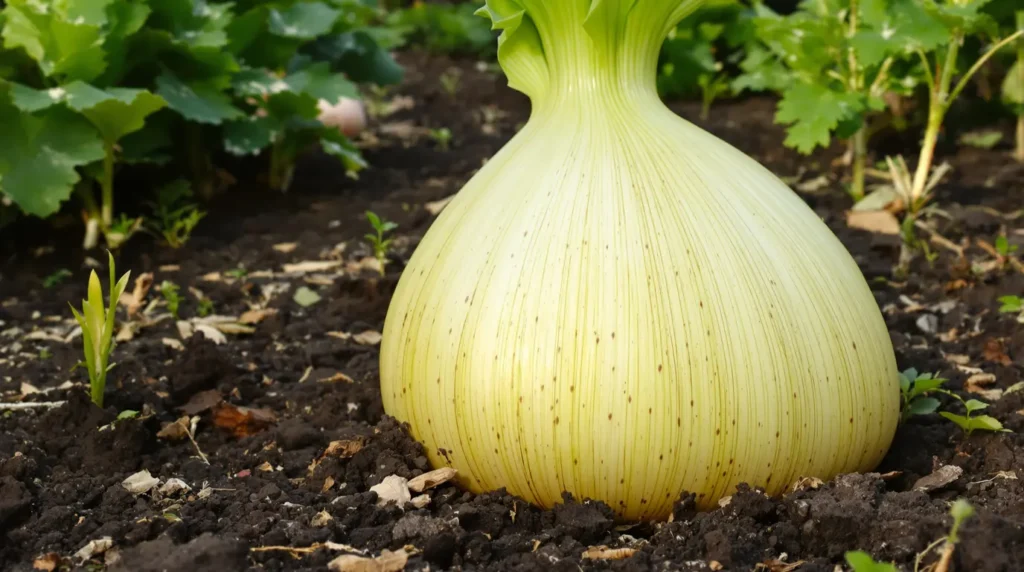
Wait until the bulb reaches the size of a large apple before harvesting. At this stage, the flesh is tender and aromatic. Instead of uprooting the entire plant, use a sharp tool to cut the bulb at soil level, leaving the roots intact. This method encourages quicker regrowth, yielding additional shoots. Don’t forget to use the fronds to enhance broth flavors, those delicate, feathery leaves make a wonderful fresh garnish.
Letting some plants go to seed
If you allow one or two fennel plants to flower at the end of summer, large yellow umbels will form, drying and releasing tiny seeds. These seeds will reseed themselves naturally, ensuring a self-sustaining crop in the following spring. It’s a simple step towards making your garden more self-reliant.
Two easy recipes to enjoy fennel
Here are two quick and delightful recipes. The quantities are for four servings.
Crisp fennel and orange salad
– 2 fennel bulbs (about 600 g)
– 2 oranges
– 30 g Parmesan cheese, shaved
– 30 ml olive oil
– 15 ml lemon juice
– Salt and pepper
– A few fennel fronds for garnish
Thinly slice the fennel bulbs using a mandoline. Peel the oranges and cut them into rounds. In a bowl, mix the olive oil, lemon juice, salt, and pepper. Combine the fennel and orange, then add the Parmesan and fronds. Serve chilled.
Roasted fennel in the oven
– 2 fennel bulbs
– 30 ml olive oil
– 1 teaspoon salt
– ½ teaspoon pepper
– Optional: 1 tablespoon honey or maple syrup
Preheat your oven to 200 °C (400 °F). Cut the fennel bulbs into wedges and toss them with olive oil, salt, and pepper. Spread them on a baking sheet and roast for 35 to 40 minutes. For a caramelized touch, add honey five minutes before they’re done.
Inviting fennel into your garden is a choice for both simplicity and flavor. With a little initial care, you can enjoy its bounty for years to come. So, are you ready to carve out a special spot for this aromatic treasure this spring?