
Imagine planting once and harvesting for years
Imagine a garden where you plant once and reap the rewards for years to come. This isn’t a fantasy; by focusing on a selection of perennial vegetables, your sustainable garden can become a reliable source of nourishment, even when finances or weather conditions become challenging.
Why choose perennial vegetables?
Perennial vegetables return year after year without the need for reseeding. They develop robust root systems, making them more resilient to drought and requiring less maintenance than annuals. For those interested in permaculture and self-sufficiency, this is a significant advantage. You’ll spend less on seeds, invest less time in labor, and minimize the use of chemical treatments, all while protecting local biodiversity.
Twelve vegetables to plant once
Wild garlic
With its delicate aroma and medicinal properties, wild garlic thrives in the shade and may take up to a year before the first harvest. Once established, it returns every spring.
Artichoke
This impressive and productive plant prefers fertile, well-drained soil. Enjoy harvesting its flower buds for several years.
Cardoon
A close relative of the artichoke, cardoon requires ample space. Its thick stalks are edible and resilient against the elements.
Jerusalem artichoke
This indestructible tuber flourishes in poor soils and produces abundantly, but be cautious, it can spread rapidly.
Crosnes
A small, flavorful tuber that is highly productive, crosnes can also be invasive, so it’s wise to manage its growth.
Oca
A rare tuber that requires patience, oca may take two to four years before yielding a significant harvest.
Ground pear
This historic tuber adapts well to rich soils and offers consistent yields over time.
Perpetual cabbage (daubenton)
Known as the “cabbage with a thousand heads,” this plant provides leaves year-round and tolerates both cold and drought.
perpetual spinach (patience)
With tender leaves and a mild flavor, perpetual spinach ensures a steady supply of vitamins over extended periods.
Rocambole onion
This unique onion produces bulbils atop its stem, allowing you to harvest both bulbs and aromatic leaves.
Perpetual leek
Smaller than common leeks, this variety regrows after each cut, making it perfect for continuous supply.
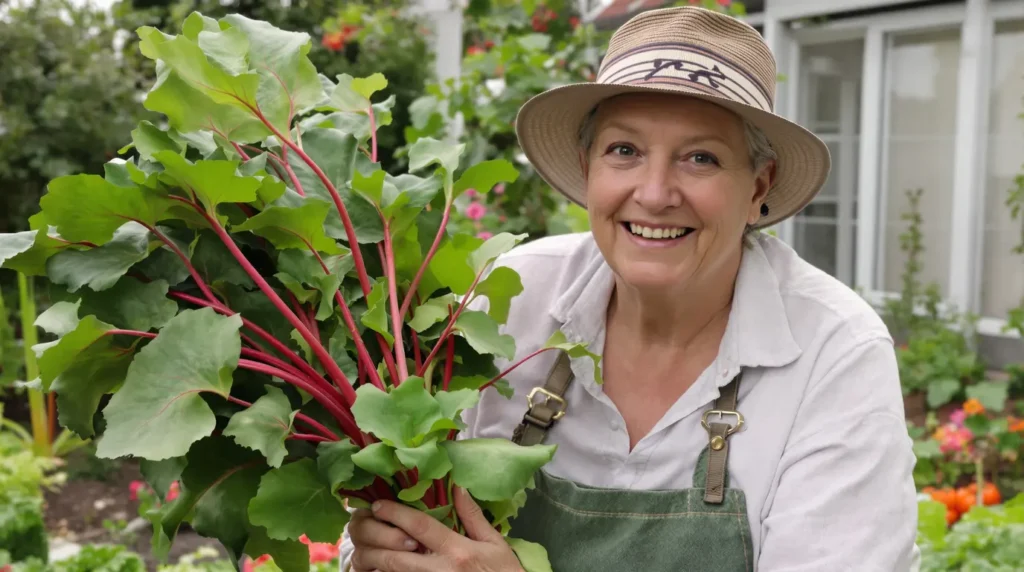
Rhubarb
An easy and generous plant, rhubarb requires minimal care and yields tart stalks ideal for desserts.
Practical tips for successful installation
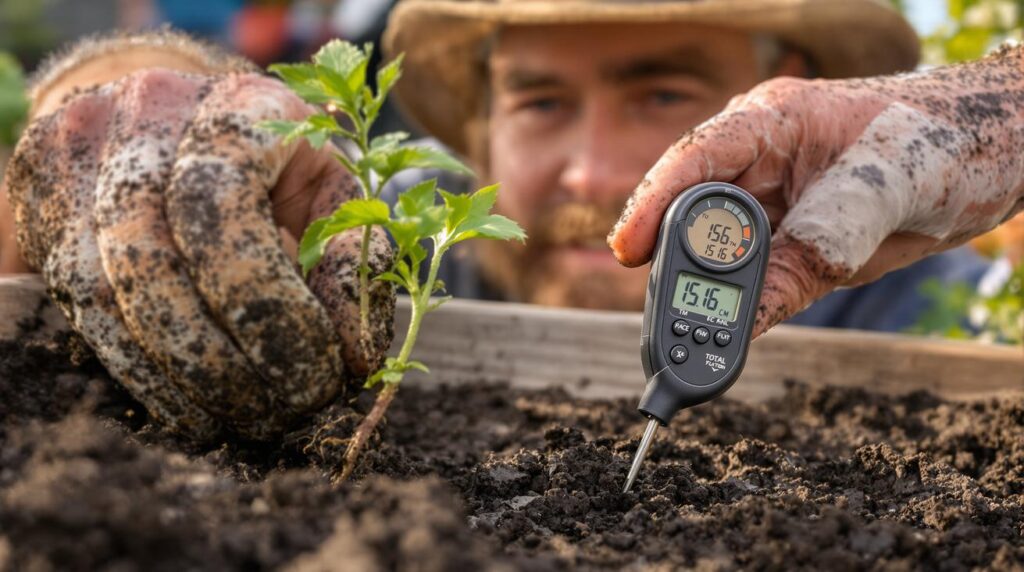
Select a suitable location for each species; some prefer shade while others thrive in sunlight. Amend the soil before planting, as deep, well-drained soil facilitates growth. Install barriers for invasive tubers and divide clumps every three to five years to encourage production and prevent plant exhaustion. Prioritize mulching to retain moisture, reduce weeding, and nourish the soil over time.
Two simple recipes to enjoy your harvest
Here are two quick recipes that showcase your perennial vegetables. The quantities are suited for four servings.
Quick rhubarb compote
**Ingredients:** 500 g rhubarb stalks, 150 g sugar, 1 tablespoon water, zest of half a lemon.
**Preparation:** Chop the rhubarb into 2 cm pieces. Combine in a saucepan with sugar and water. Cook over medium heat for 10 to 12 minutes. Add lemon zest at the end of cooking. Allow to cool before serving.
Grilled artichokes with lemon
**Ingredients:** 4 medium artichokes, 3 tablespoons olive oil, 1 lemon, salt, and pepper.
**Preparation:** Cut the stem and remove the tough outer leaves. Halve each artichoke and remove any choke if necessary. Drizzle with lemon juice and brush with olive oil. Season with salt. Grill cut-side down for 8 to 10 minutes over medium heat until caramelized. Serve warm.
A final thought before you plant
Planting perennial vegetables transforms your relationship with your garden. You’ll buy less, save time, and witness life returning year after year. Start small by testing one or two varieties, then expand your garden. The joy of harvesting plants you planted seasons ago is a rewarding experience that far outweighs the initial effort.