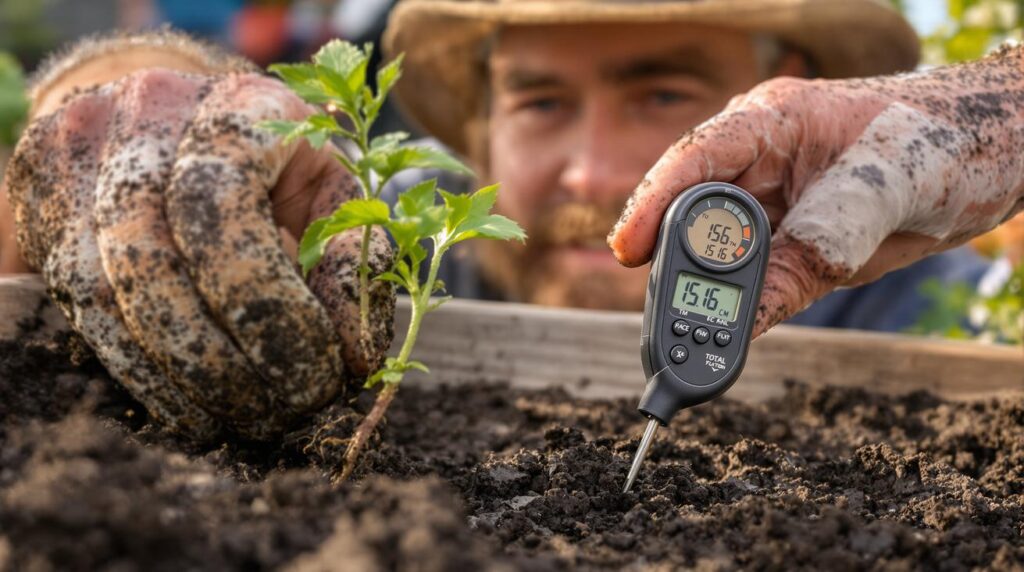


The Japanese knotweed: a culinary paradox
It cracks foundations, penetrates asphalt, and invades riverbanks. Yet every spring, some brave souls gather it to cook. This paradox is eye-catching and deserves a thoughtful explanation.
A destructive invader
Japanese knotweed (Fallopia japonica) is far more than just a pesky weed. A mere 10-gram fragment of its rhizome is enough to regenerate an entire plant. Its roots can burrow up to 6.5 feet deep and spread laterally for nearly 23 feet. Research has shown that these roots can exert pressures of up to 50 tons per square meter, sufficient to crack concrete and lift asphalt. It grows rapidly, sometimes reaching up to 4 inches in a single day during spring. The damage it inflicts on foundations, pipelines, and roadways is significant, while riverbanks, stripped of winter vegetation, are particularly vulnerable to erosion.
This plant has become a public concern. As of August 7, 2025, it is listed among the invasive alien species of the European Union. Planting, selling, or intentionally transporting it is prohibited. Any plant debris must be disposed of at specialized centers, not just anywhere. The law also holds landowners accountable; if the plant spreads onto neighboring properties, they may face civil liability.
Yet it’s edible in spring
Despite its destructive nature, the young shoots of Japanese knotweed are edible. They emerge between March and May and, while they remain tender and juicy, possess a tart flavor reminiscent of rhubarb. However, this window is fleeting; the shoots quickly become fibrous.
In the kitchen, knotweed can be used in tarts, jams, and cooked compotes. In Japan, it is prepared by peeling, slicing, salting, and pressing under a stone, a method that preserves its acidity and echoes traditional fermentation techniques.
Safety considerations
However, caution is warranted. Knotweed often grows in polluted or artificial soils, as it is a metallophyte. Avoid gathering it near roadsides or former industrial sites, as it may contain heavy metals. Ensure the quality of your foraging spot before consuming it.
To safely forage and cook with Japanese knotweed, follow these practical guidelines:
- Choose a Clean Site: Stay away from roads, industrial areas, and landfills.
- Harvest Young Shoots: Look for shoots that are 4 to 12 inches tall, still supple and with a reddish base.
- Wear Gloves and Use Clean Tools: Avoid taking rhizomes or stem fragments in your bags.
- Dispose of Waste Properly: Never compost knotweed debris or throw it in green waste; take it to authorized centers.
- Wash Thoroughly: Clean the stalks and peel the outer part before cooking if necessary.
Simple recipe: tart knotweed compote (serves 4)
This recipe is easy, quick, and reminiscent of rhubarb compote, offering a surprisingly fresh taste.
Ingredients:
- 1 pound of young knotweed stalks, peeled and cut into sections
- 3/4 cup of sugar
- 1 lemon (juice and zest)
- 2 tablespoons of water
Preparation:
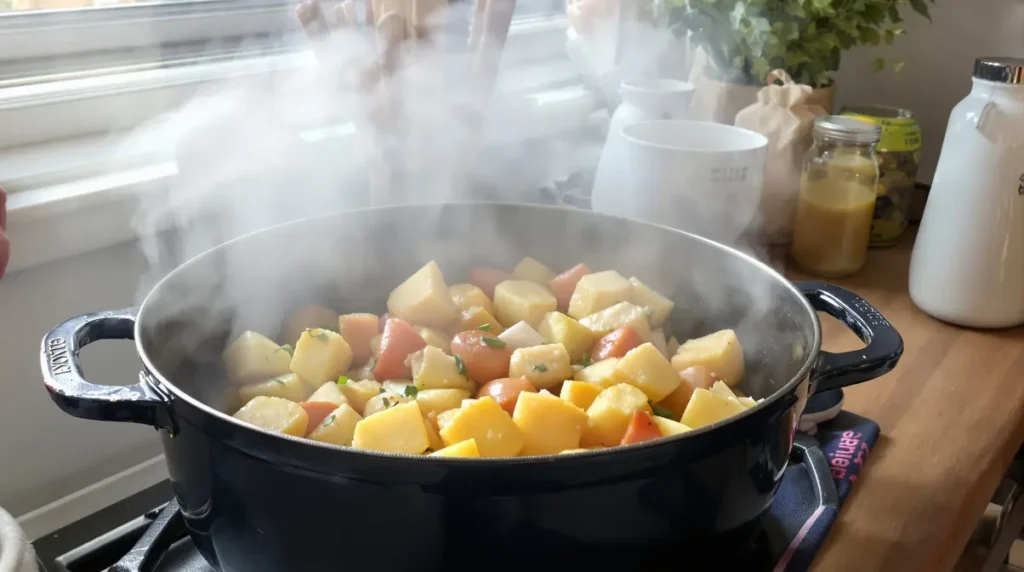
- In a saucepan, combine the knotweed sections with water, sugar, lemon juice, and zest.
- Bring to a boil, then lower the heat and simmer for 8 to 12 minutes, until the stalks are tender and beginning to break down.
- Blend if you prefer a smooth texture, or leave it chunky for a rustic compote.
- Allow to cool and serve over pancakes, yogurt, or in a tart.
Can foraging replace eradication?
The answer is complicated. Regular harvesting can weaken the plants, but knotweed produces a significant amount of biomass. A group of volunteer foragers alone will not eradicate it. Ecologists recommend combined strategies: professional removal, covering with tarps, targeted treatments, and diligent monitoring.
The notion of “gastro-eradication” is appealing, but it cannot substitute for technical and administrative measures. If you discover a patch on your property, consult local services. Poorly managed treatments can exacerbate the issue.
Finally, an intriguing detail: knotweed is rich in resveratrol, and its rhizomes are used in supplements in some countries. The plant that wreaks havoc on our foundations also feeds international markets. This duality explains why it garners so much attention.