
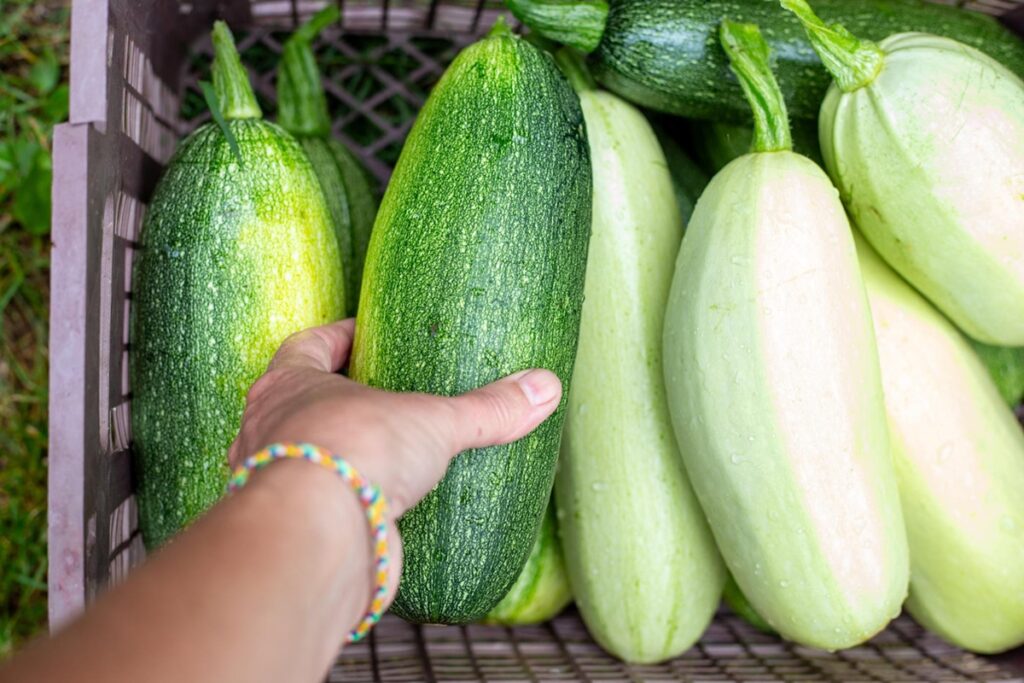
Between zucchini bought on Saturday and thrown away on Wednesday, the bill adds up quickly. Everything will change with this genius rule to keep them fresh.
Saturday, beautiful firm zucchini are in the basket. By Wednesday, they are soft, spotted, and ready for the compost. This scenario is all too familiar, and with prices rising in 2026, it hurts the wallet.
If summer squash withers so quickly, it is not inevitable: they are simply sensitive to temperature, humidity, and their neighbors in the refrigerator. By following one simple rule, you can keep them fresh for 5 to 7 days, or even up to 10 to 15 days in the crisper drawer.
Why your zucchini soften so quickly
Zucchini love coolness but not extreme cold. Experts suggest they keep best at 40 °f. Below this, the texture breaks down and the flavor fades. Additionally, condensation in a closed plastic bag quickly wakes up mold and bacteria.
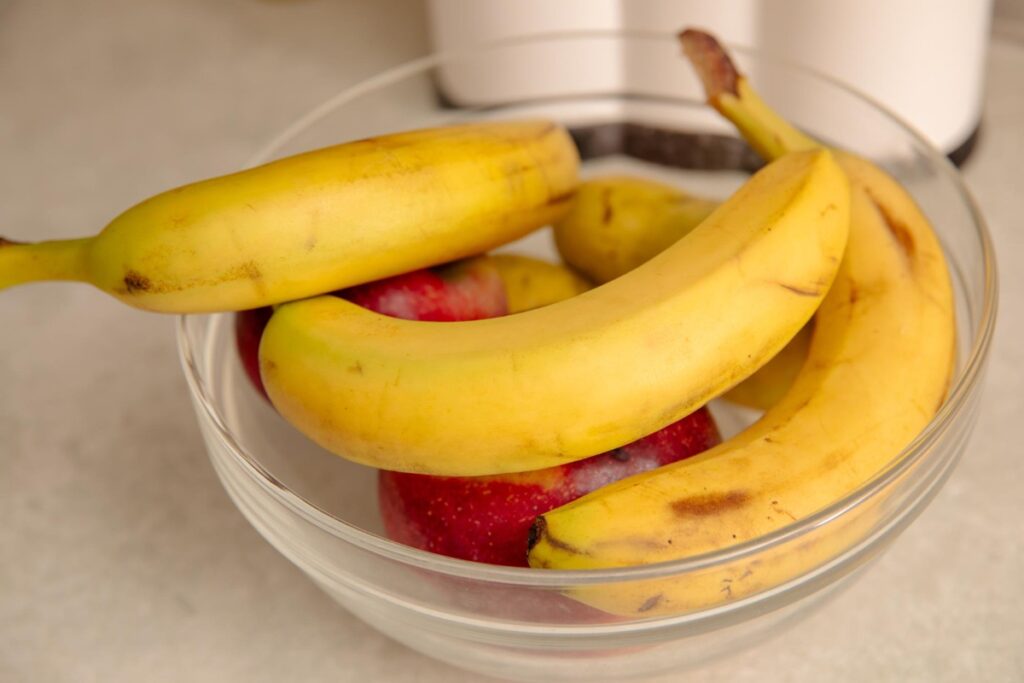
Another unknown factor is ethylene gas. Fruits like apples, bananas, melons, or tomatoes produce a lot of it, making zucchini age at high speed if they share the same drawer. To save money, start by moving these bulky neighbors away from your squash.
Rule no. 1 for storing zucchini: never wet
The primary rule to remember and apply immediately is this: never store a zucchini wet, and even less so washed. Rinsing zucchini after the market and putting them in the fridge damp is the #1 mistake to avoid. The film of water on the skin accelerates decay and bacterial contamination.
When you get home from shopping:
- Remove zucchini from their bags and dry them if needed.
- Let them breathe, then store them in the vegetable drawer.
- Use a perforated plastic bag or an airy box lined with an absorbent paper towel.
Handling cut zucchini and long-term freezing
Once a zucchini is cut, the exposed flesh spoils very quickly. Place leftover pieces in an airtight container and consume them promptly. If you have a true surplus, freezing is the best option.
To freeze properly, cut them into cubes or slices and blanch them for 2 to 3 minutes. Cool them in ice water, then spread them on a tray for an hour before transferring them to freezer bags.
This prevents them from turning into a solid block of ice. They will maintain good quality for about 3 months and are perfect for soups, gratins, or sautés.