
Choosing the right wine for your barbecue ribeye
Are you preparing a ribeye steak on the grill and unsure which wine to open? A good glass can elevate your meal significantly. Here, you’ll find clear guidelines for achieving the perfect pairing, along with some practical tips you can apply right away.
Understanding the pairing: fat, smoke, and the Maillard reaction
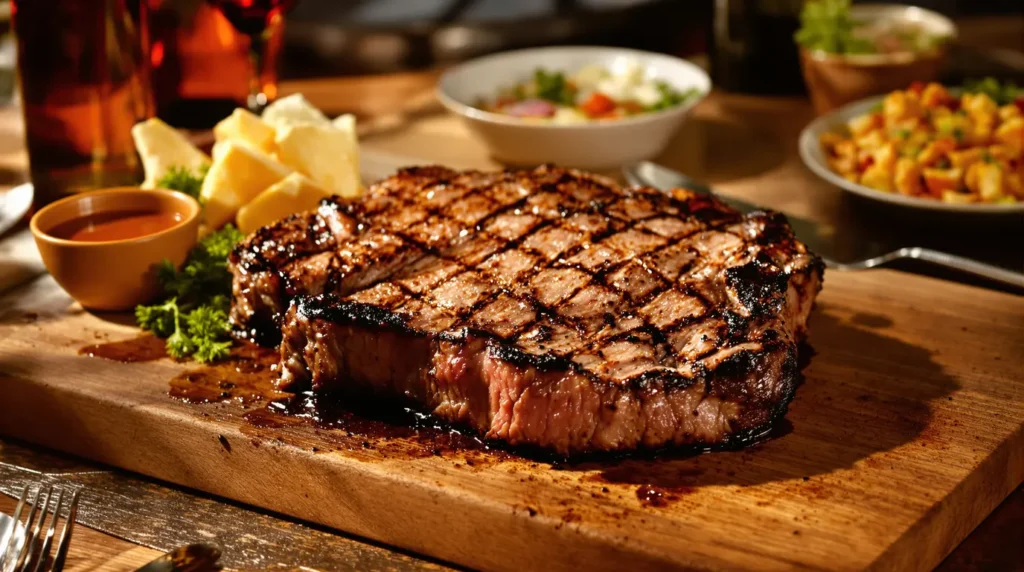
Grilling changes everything. The embers infuse a smoky flavor, while the Maillard reaction creates a caramelized crust. The fat in the ribeye releases rich flavors, and the wine’s tannins interact with this fat, lightening the mouthfeel and making each bite more digestible.
The smoky and grilled elements call for aromatic wines with some depth, while the fat demands tannins or good acidity to cleanse the palate. A caramelized crust pairs beautifully with wines that exhibit toasted or spicy notes.
Wine selection based on cooking and meat richness
Rare vs. Medium-Rare
If you’re serving the ribeye rare, it will retain a lot of juice, allowing you to choose a wine with pronounced tannins. A young Syrah or Cabernet Sauvignon will work wonderfully.
For medium or well-done cooking, the meat loses fat and juiciness. Opt for a rounder wine, such as a Merlot or Grenache, which offers softness without overpowering the flavors.
Marbling and Cuts
A heavily marbled ribeye can stand up to a structured wine. Consider a Malbec or a Rhône blend, as they complement the fat and smoky notes. For leaner cuts like flank steak, avoid aggressive tannins. A lighter, less oaked wine will better highlight the meat’s delicacy.
When to consider whites, rosés, and bubbles
While red wine is a safe bet, a dry, mineral white can surprise and delight. Its acidity cuts through the fat beautifully. A dry Provence rosé works well if the meat is seasoned with herbs. Bubbles, such as a dry Crémant or non-dosed Champagne, refresh the palate between bites, making for an excellent summer option.
Adapting the wine to marinades, sauces, and accompaniments
What surrounds the ribeye influences the pairing. A strong sauce or sweet marinade can alter the wine’s perception.
Herbaceous sauces like chimichurri call for a wine with character but not overwhelming tannins. Conversely, a cream-based sauce like Béarnaise prefers a softer wine.
Quick chimichurri recipe
Ingredients:
- 100g flat-leaf parsley
- 2 garlic cloves
- 1/2 teaspoon red pepper flakes
- 120ml olive oil
- 30ml red wine vinegar
- 1 teaspoon salt
Preparation:
Chop the parsley and garlic. Combine it with the red pepper flakes, olive oil, vinegar, and salt. Let it rest for 20 minutes before serving.
Simple marinade for 4 people
Ingredients:
- 50ml olive oil
- Juice of one lemon
- 2 crushed garlic cloves
- 2 sprigs of thyme
- 1 teaspoon salt
Preparation:
Mix all ingredients together. Brush the ribeye 30 minutes before grilling.
Serving temperature and aeration: the game-changing details
Serve reds between 14 and 18°C (57-65°F) depending on their strength. A wine that’s too warm can emphasize alcohol, while one that’s too cold can mask aromas.
If the wine is young and tight, decant it for 30 to 45 minutes. Open the bottle while the coals heat up. These small details can significantly enhance your pairing experience.
Simple 3-step method to get it right
- Assess the dish’s intensity: cooking method, marbling, sauce.
- Choose the wine’s structure: tannins for fat, acidity for freshness.
- Aerate and serve at the correct temperature.
Frequently asked questions
Why is red wine often preferred?
Because tannins complement fat and lighten the mouthfeel.
Can rosé be suitable?
Yes, especially if it’s dry and the ribeye is paired with herbs or grilled vegetables.
What if the wine is too young?
Decant it or wait a few years. An aeration of 20 to 45 minutes often softens the tannins.