
markdown
Why those white flowers on your Basil are a bad sign
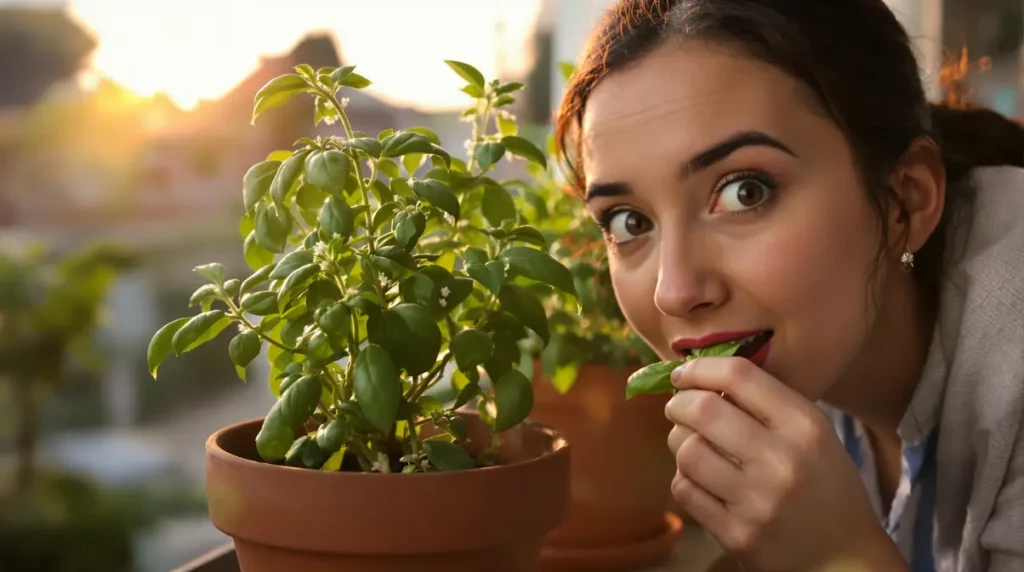
If you’ve noticed delicate little white flowers sprouting on your basil plant, you might have smiled at their beauty. They are charming and almost poignant. However, upon tasting a leaf, you may have experienced a shock: diminished fragrance and a slightly bitter flavor. At that moment, you realize your basil is slipping away from you.
The good news? It’s not always too late. With a few simple steps, you can still salvage the season, propagate your plants, and whip up a delicious pesto.
Pushing the plant’s limits
Basil is an annual herb, meaning it has a quick life cycle. Its natural progression is straightforward: grow, flower, produce seeds, and ultimately, perish. As soon as those small white flowers appear, the plant shifts its focus. All its energy goes into flowering and reproducing, which makes the leaves secondary. Consequently, they thicken, lose their aroma, and can even take on a distinctly bitter taste.
Heat exacerbates this phenomenon. When temperatures exceed 30°C (86°F), especially if the soil is dry, basil senses danger and rushes to “bolt.” If your plant is sitting on a scorching balcony or sunny windowsill with inconsistent watering, it will quickly go into survival mode.
The game-changer: pinching your Basil
To keep your basil bushy and full of tender, aromatic leaves, you need to adopt a simple habit: pinching. This small gesture can make a world of difference.
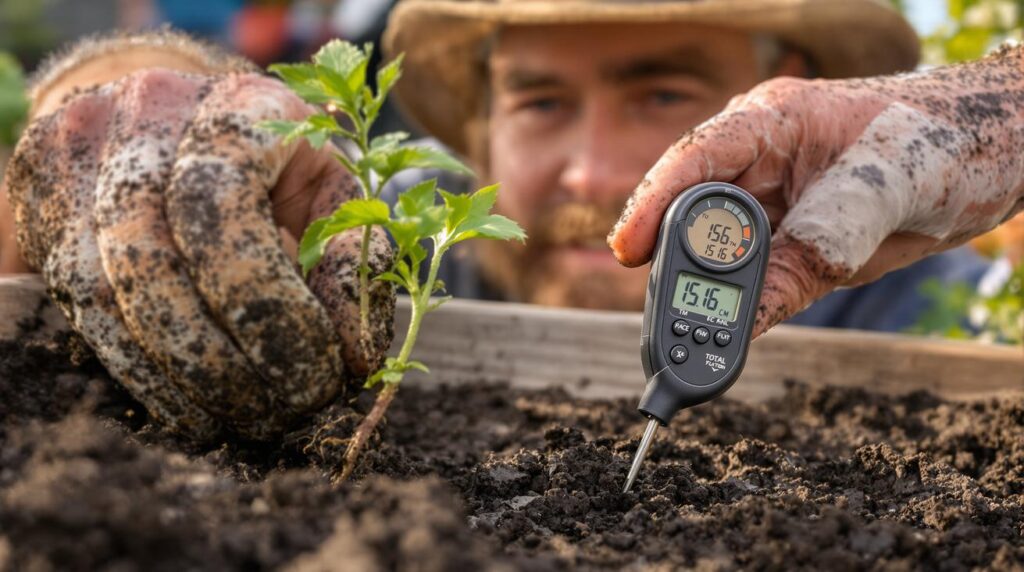
As soon as your basil plant reaches around 15 cm (6 inches) tall, start pinching it regularly. By removing the tips of the stems, you prevent flowering and encourage the plant to branch out. More branches equal more stems, which means more leaves.
How to pinch your Basil: step by step
- Identify the tip of the stem, the tender point known as the apex.
- Locate a node, where a pair of leaves emerges from the stem.
- Pinch just above this node, removing the tip (about 2 to 3 cm).
- Use your fingers rather than scissors to avoid crushing the stem.
This quick action takes just three seconds but sends a clear message to the plant: “Continue producing leaves; don’t switch to flower mode.” If you repeat this process every 2 to 3 weeks, your basil will become compact, dense, and incredibly generous. Over an entire season, a well-pinned plant can yield up to three times more leaves than an unpruned one. That translates to three times the flavor for your salads, pastas, and tomato-mozzarella dishes.
What If your Basil is already flowering?
Don’t panic, just act quickly. The longer you wait, the more exhausted the plant becomes.
- Identify the stems with white flower spikes.
- Cut the flowering stem down to the first pair of leaves below the flowers.
- If flowering is advanced, trim even shorter, remove about a third of the stem’s height.
After this pruning, the plant can restart and produce new, more aromatic leaves. While it may not be as lush as when it was first planted, you can still enjoy several weeks of harvest. Plus, those cut flowers aren’t wasted; you can use them to enhance a tomato salad, a pasta dish, or infuse them in hot water for a light basil tea.
Transforming each stem into a new plant: Basil propagation
One of the magical aspects of basil is that each cut stem can become a new plant, without any complicated equipment or costs.
Preparing cuttings
- Choose a healthy, flower-free stem measuring 8 to 10 cm (3 to 4 inches).
- Remove the lower leaves, leaving just 3 to 4 at the top.
- Place the bare end of the stem in a glass of water, ensuring the leaves don’t touch the water.
- Position the glass near a bright window, avoiding direct sunlight. Change the water every 2 to 3 days to keep it fresh.
Waiting for roots, then transplanting
After 7 to 14 days, you should see small white roots starting to emerge. When they reach about 2 to 3 cm long, prepare a pot with light, well-draining soil. Carefully plant the cutting, firming the soil around it, and water gently.
With just one well-cared-for plant, you can easily generate 4 to 6 new basil plants by mid-summer, perfect for filling your balcony, sharing with friends, or experimenting with different varieties.
How to ensure your Basil thrives
In addition to pinching, a few simple habits can extend the life of your basil:
- Regular Watering: Keep the soil consistently moist, but not soggy or completely dry.
- Lighting: Provide plenty of light while avoiding scorching direct sun during the hottest hours.
- Frequent Harvesting: Regularly snip leaves to prevent the plant from growing tall and sparse.
- Avoid Cold Drafts: Basil is sensitive to cooler temperatures; it suffers when temperatures drop below 15°C (59°F).
By treating your basil like a small herb garden rather than merely a decorative plant, you can significantly enhance its productivity and flavor.
What to do with all those leaves? quick and flavorful pesto
When your basil is thriving, you might face another delightful dilemma: an abundance of leaves. To avoid waste, nothing beats a homemade pesto. Here’s a simple recipe for about two servings:
- 50 g (2 cups) fresh basil leaves, washed and thoroughly dried
- 30 g (1/3 cup) grated Parmesan cheese
- 30 g (1/4 cup) pine nuts or walnuts
- 1 garlic clove
- 100 ml (about 1/2 cup) olive oil
- Fine salt
- Freshly ground pepper
Combine the basil leaves, Parmesan, nuts (or walnuts), and garlic in a blender. Pulse to combine, then slowly drizzle in the olive oil until you achieve a creamy texture. Taste and adjust with salt and pepper as needed. If you prefer a thinner pesto, add a bit more olive oil. Serve with warm pasta, on toasted bread, or as a subtle accent on a tomato salad.
Tip: You can also freeze the pesto in small portions using an ice cube tray, ensuring you can enjoy the flavors all year round.
In summary: don’t let your Basil bolt
Those pretty white flowers are not a good omen for your taste buds. They indicate that your basil is more focused on producing seeds than enhancing your dishes.
By pinching as soon as the plant reaches 15 cm, and regularly thereafter, you’ll keep your basil in leaf-producing mode. If flowering begins, cut back those spikes to rejuvenate the plant. Make use of every cut stem for propagation, and with all those leaves, craft a homemade pesto or infuse your meals daily.
Ultimately, your pot of basil is like a miniature herb garden. With a bit of regular care and attention, it can provide you with fragrant leaves all summer long, and you’ll have every reason to be proud.