
Preparing your garden for the heat
As the warmth of summer returns, your garden or vegetable patch may already be showing signs of stress. There’s no need to panic. With a few simple actions and a touch of care, you can protect your cherished plants and even help them withstand the heat waves more effectively.
Get your plants ready for the heat
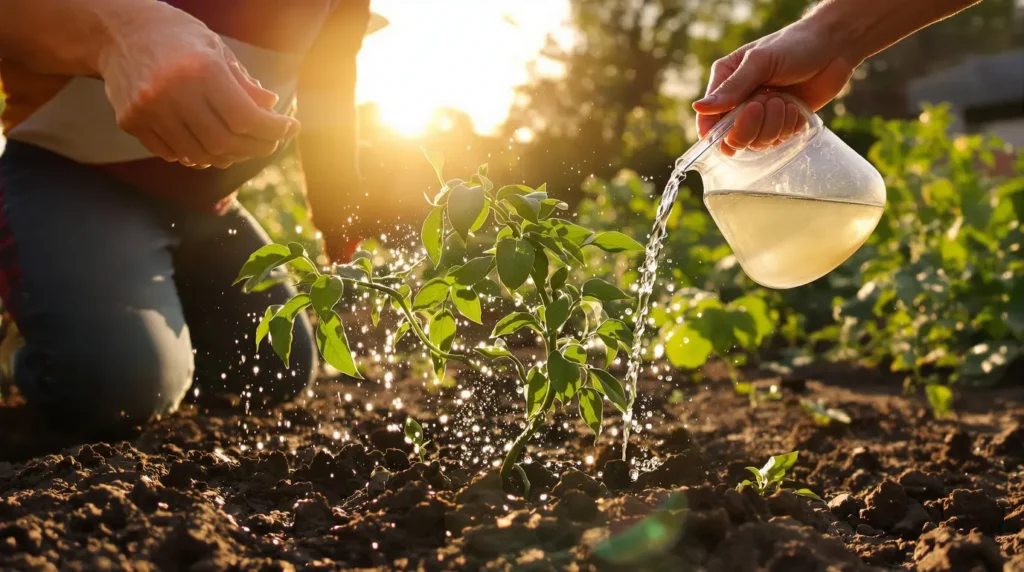
Before planting, moisten the rows or holes to ensure a cool soil environment that encourages strong root development. Are you setting out tomatoes, cabbages, or squash? Water the hole first, then place the plant. After planting, give it another drink at the base, avoiding excessive moisture on the leaves. This practice minimizes stress and lowers the risk of disease.
When and how to water effectively
Timing is crucial. Water early in the morning or at dusk when evaporation is at its lowest, allowing the water to reach the roots more effectively. Opt for deep, spaced-out watering sessions rather than daily, shallow sprays. A deep soak encourages roots to grow deeper, enhancing the plant’s resilience to drought.
For young trees and shrubs, aim for a generous weekly watering. Depending on the size and wind conditions, this could mean several gallons.
Protecting from the sun without smothering
Transplanted seedlings can scorch or “burn” if they suddenly transition from shade to direct sunlight. This isn’t always a sign of disease; it’s often sunburn. Gradually acclimate your plants to full sun exposure, starting with a few hours in partial shade, then increasing their sun exposure over several days. A shade cloth positioned away from the plant provides immediate protection without suffocating it.
The value of mulching: a powerful ally
Mulching significantly reduces evaporation and maintains a more consistent soil temperature, while also suppressing weed growth. Apply a layer of organic mulch that is 5 to 8 inches thick, but be sure to leave space around the base of the plants. Direct contact between the mulch and the stem can create excess moisture and lead to rot.
For young trees or shrubs, wood chips are an excellent choice as they protect and enrich the soil as they decompose. However, remember that mulching doesn’t replace the need for regular watering.
Practical tips to minimize water loss
Consider installing drip irrigation or soaker hoses to deliver water directly to the roots. Adjust your watering frequency based on the weather and soil type, sandy soils require more water than heavy soils.
Lightly hoe between rows in the morning. A thin layer of loosened soil helps reduce surface crusting, allowing for better water infiltration.
Signs of distress and quick remedies
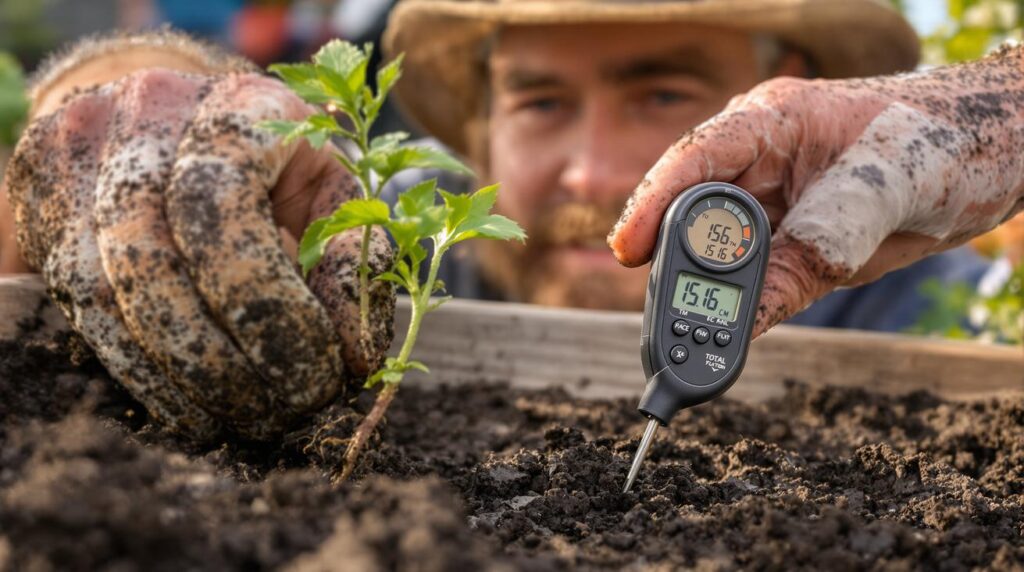
A bit of wilting in the first few hours after transplanting is normal. If wilting persists for several days, check the soil moisture and root depth.
If leaves are turning pale or sun-scorched, provide light protection and decrease surface watering. For plants that appear burned, prune only the dead leaves and allow the plant to recover.
Conclusion: act quickly, but calmly
Heat can be surprising, but your plants are not doomed. Thoughtful watering, appropriate mulching, and gradual exposure often suffice. Keep a watchful eye, make adjustments as needed, and your garden will soon regain its vigor.