
The allure of the fig: a delicate journey
The fig captivates with its sweetness, yet the tree itself demands caution. In celebration of the twentieth anniversary of the AOP (Appellation d’Origine Protégée) for Solliès figs, we delve into how producers like Daniel Suzanne have transformed this fragile fruit into a celebrated label. We will also explore current threats to its cultivation and how to identify a true Solliès fig.
A producer in harmony with his figs
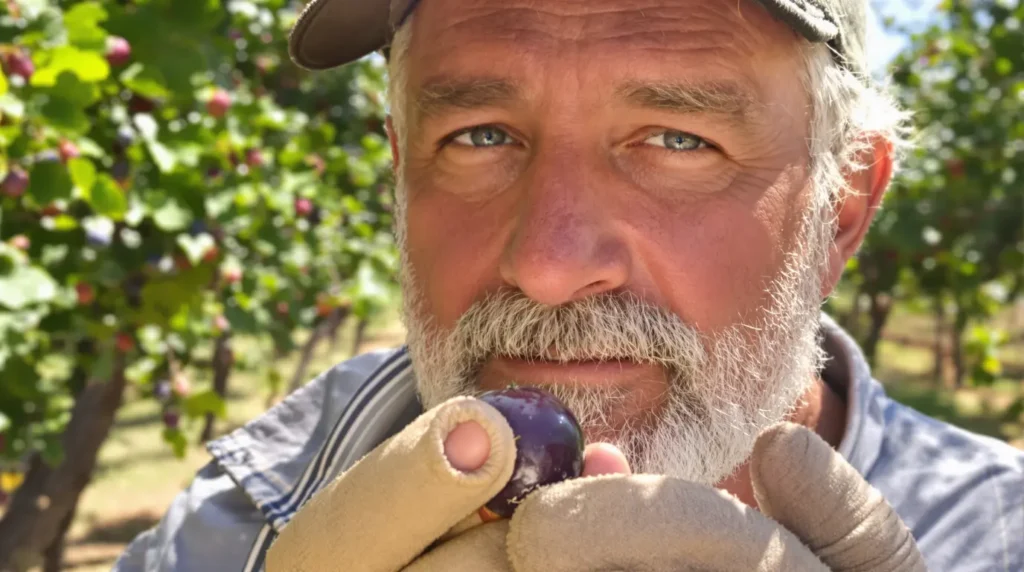
Nestled between La Farlède and La Crau, Daniel Suzanne orchestrates his year around his fig trees. He currently tends to 6.5 hectares of fig trees and 2.5 hectares of peonies. Daniel’s journey into agriculture was fueled by a desire for a better quality of life and a connection to his family’s land. The fig, with its exotic charm, draws him in, after all, it’s essentially the flower of the tree. This fruit is a staple of the Provençal landscape, alongside almond and olive trees. However, caution is warranted; the latex from the fig tree can cause burns. When working with its branches, protective clothing and eyewear are essential to avoid unpleasant surprises.
Celebrating twenty years of AOP: the importance of the label
On June 6, producers will celebrate two decades of the AOP for Solliès figs. The initial goal was clear: to distinguish local products from imports, primarily from Turkey at the time. The AOP was designed to safeguard local quality.
There were initial concerns that the AOP might increase costs and devalue other figs. However, the reality has proven different. Prices have remained stable, and the designation has brought intangible value. Consumers can now be confident they are purchasing a violet fig that adheres to strict quality standards.
The charter regulates the fruit’s shape, sugar content, and juiciness, while also imposing phytosanitary rules. To the untrained eye, one fig may look like another, but the AOP label ensures trust through a clear identification.
New challenges: insects and climate change
The primary focus now is on combating the cochineal pest. In the past, this pest reproduced just once a year, producing 300 to 400 offspring. Due to climate change, it now completes three to four generations annually, sometimes appearing during peak harvest times, a significant challenge for producers.
The fig fly also poses a threat, while the weevil has already caused considerable damage, leading to the loss of about twenty hectares of certified land. Solutions exist to help restore normalcy, but a lingering issue remains: untreated trees on private properties or along rivers, such as the Sauvebonne Valley, serve as reservoirs for these pests. Vigilance is crucial.
Climate change also affects harvest timings. Picking generally begins around August 15, but the peak season is arriving earlier than before, necessitating adjustments in labor and logistics due to accelerated ripening from increased heat.
A simple recipe to enjoy Solliès figs
Ingredients:
- 6 fresh Solliès figs
- 150 g fresh goat cheese
- 2 tablespoons liquid honey
- 4 slices of country bread
- 1 handful of chopped walnuts (30 g)
- Freshly cracked black pepper
Preparation:
Preheat your oven to 180°C (350°F). Cut the figs in half. Spread the goat cheese on the slices of bread. Place the fig halves on top of the cheese and drizzle half a tablespoon of honey over each slice. Sprinkle with walnuts. Bake for 6 to 8 minutes, until the cheese is warm and the bread is crispy. Lightly pepper before serving. Enjoy immediately.
How to identify and store a true Solliès fig
To ensure authenticity, look for the AOP label on the Solliès fig. Check for a deep violet color and firmness. A good fig should yield to gentle pressure but not squish. Store it flat in the vegetable drawer of your refrigerator and consume within 48 hours to savor its full flavor.
You are now better equipped to appreciate this irresistible fruit while respecting the formidable tree. The AOP protects both its origin and quality, yet producers continue to face climatic and health-related challenges. Their vigilance is your guarantee of an exquisite tasting experience.