
Spring calls for action
As spring blossoms, the urge to cultivate a thriving garden is palpable. If you wish to prepare a productive vegetable patch without rushing, here’s how to plant and sow now to save time and enhance your harvest.
What to sow and plant right now
Summer vegetables to plant
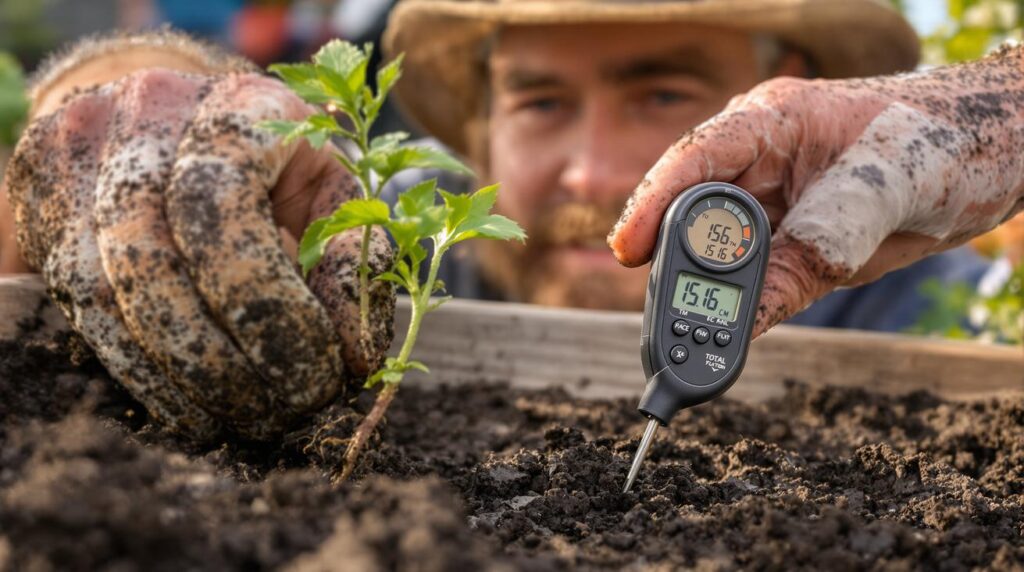
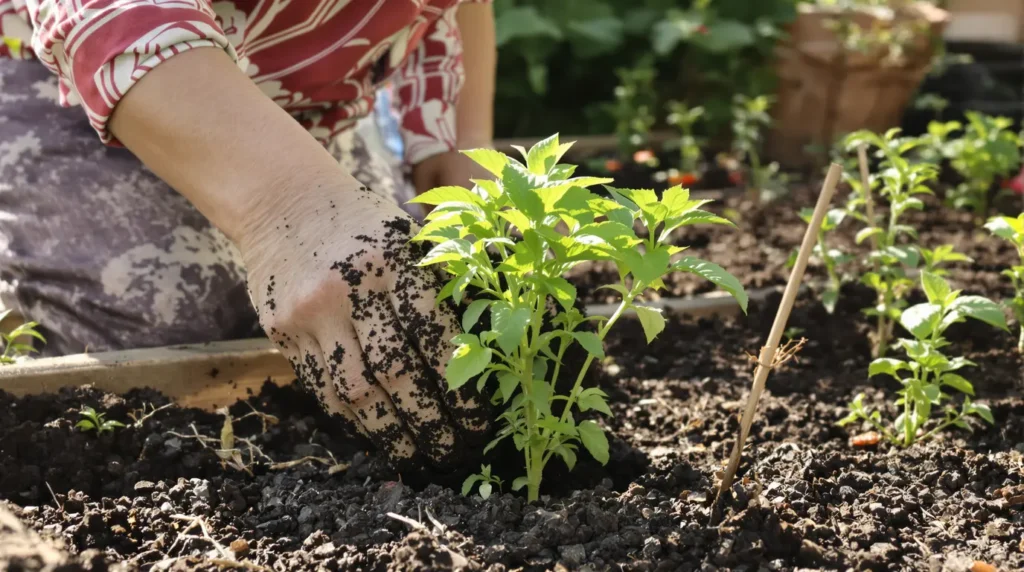
Warm-weather vegetables can be sown as soon as the soil begins to warm up. Select a sunny spot that is sheltered from the wind. If the ground remains chilly, wait a few days or cover your seedlings at night.
To ensure success, adhere to these planting guidelines:
- Tomatoes: 1 plant every 50 to 70 cm.
- Peppers: 1 plant every 40 to 50 cm.
- Eggplants: 1 plant every 50 to 60 cm.
Crowded plants capture less sunlight, retain moisture longer after rain, and are more susceptible to diseases. A proper spacing is far superior to a cramped row.
Sowing directly into the ground
Spring is also the prime time for direct sowing. Green beans thrive in warmth and yield better when sown early.
- Spacing between seeds: 1 seed every 5 to 7 cm in a row.
- Spacing between rows: 40 to 50 cm.
- Sowing depth: 2 to 3 cm.
Water lightly after sowing, keeping the soil moist but not soggy. Beans are sensitive to both drought and overwatering.
Mulching: a simple yet transformative practice
Mulching is essential in spring. It protects against late frost, retains moisture, and minimizes surface crusting.
Use simple, effective materials such as straw, dry hay, or well-dried leaves. Spread a layer 5 to 10 cm thick based on the material, leaving a small space around the plants’ stems. Too much mulch close to the base can promote moisture and disease.
Choosing the right location for time efficiency
The orientation of your garden significantly impacts your success. Mediterranean vegetables require a spot with ample southern exposure. A quickly warming soil gives you a head start.
If your soil takes time to warm up, don’t rush. Wait for it to heat up, and consider using protective covers on still-chilly nights. Climate changes can create false starts, so remain observant rather than hasty.
Incorporating flowers into your vegetable garden
A vibrant garden welcomes flowers. They attract pollinators, bolster biodiversity, and enhance yields.
- Sunflowers: Add height and serve as natural supports for climbing beans.
- Cosmos: Attract bees and hoverflies.
- Borage: Nourishes pollinators and enhances the flavor of nearby tomatoes.
- Marigolds: Effective against specific pests.
- Phacelia: Excellent for soil health and highly attractive to pollinators.
Sow a small band of flowering plants now, and you’ll notice a boost in insect activity and the quality of your harvest.
Common mistakes and practical tips
Early-season traps are straightforward but costly. The first is planting in cold soil, followed by neglecting to mulch, and lastly, trying to do everything at once.
Avoid excessive watering, moist soil does not equate to waterlogged soil. Roots need air. Inspect your garden daily; a yellowing leaf or drooping stem can signal issues before they escalate.
Simple action plan for the week
- Choose the sunniest location for tomatoes, peppers, and eggplants.
- Plant according to the specified spacings, watering moderately after planting.
- Sow green beans in rows, 2 to 3 cm deep.
- Apply a 5 to 10 cm layer of mulch while leaving 2 to 3 cm around the stems.
- Plant a strip of flowering plants to attract pollinators.
- Monitor the weather and protect young plants if a cold night is forecasted.
A simple start, consistent care, and a touch of attention can transform your garden. You’ll feel the difference as the first sprouts emerge, and that delightful thrill of growth is the best reward of all.