
Discover two hidden treasures of the garden
Every year, you might find yourself planting the same vegetables, potentially overlooking two remarkable gems of the garden. For a decade, I neglected them. However, the first harvest left me wishing I had discovered these delights sooner. Late May is the perfect time to embark on this culinary adventure.
Why these vegetables deserve your attention
Many gardeners tend to focus on tomatoes and zucchini, and it’s easy to understand why. Yet, the unique qualities of New Zealand spinach (tétragone) and chervil (chervis) offer both surprise and simplicity. These vegetables require minimal care while diversifying your dining experience.
Tétragone provides tender leaves throughout the summer, while chervis yields a sweet root perfect for autumn and winter. Together, they extend the bounty of your garden across multiple seasons.
Tétragone: the heat-loving spinach
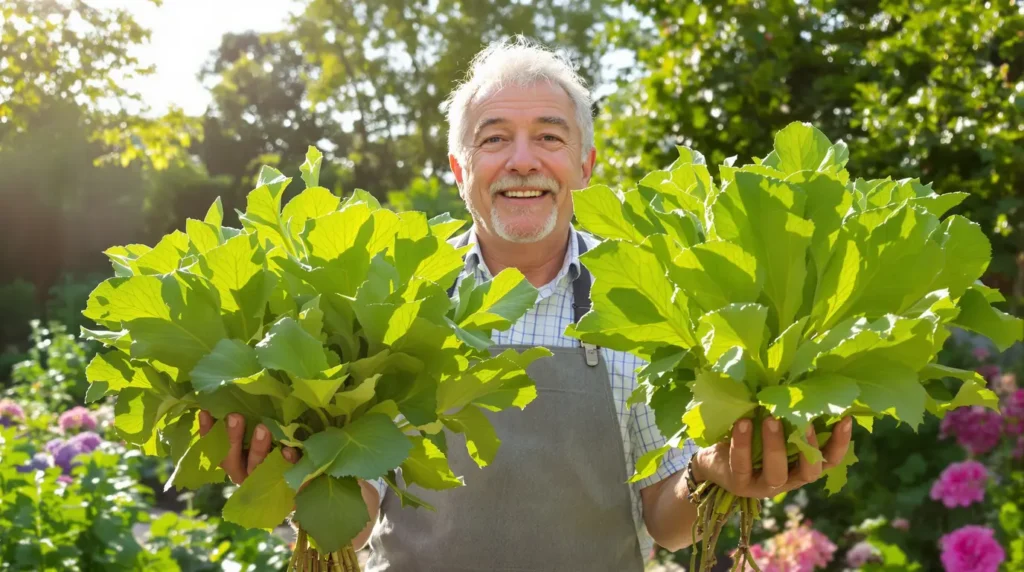
Often referred to as “New Zealand spinach,” tétragone thrives in warmth and sidesteps the bitterness that can plague traditional spinach in hot weather.
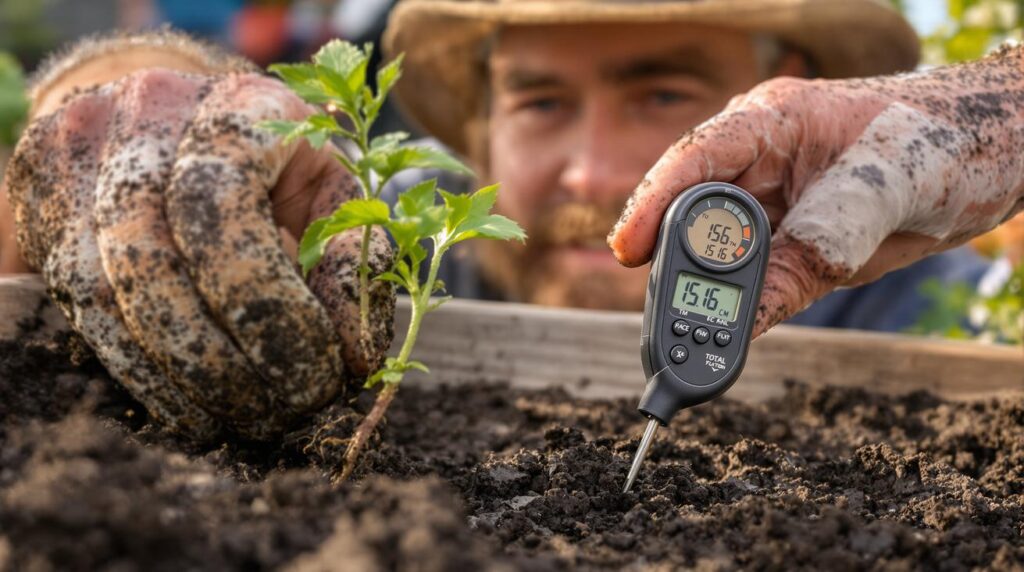
To grow tétragone, plant or sow seeds once the frost has passed. Choose a light, well-drained soil, and consider mulching to retain moisture during the dry summer months. Water regularly at the beginning, then gradually space out your watering as the plants establish themselves.
Sowing Technique: Plant seeds in clusters spaced 40 cm apart. Thin out to keep one plant per cluster. Harvest the leaves progressively; the more you pick, the more the plant produces.
Simple Recipe: Sautéed Tétragone with Garlic (Serves 2)
Ingredients: 200 g of tétragone leaves, 2 cloves of garlic, 1 tablespoon of olive oil, salt, and pepper.
Preparation: Quickly wash the leaves. Heat olive oil in a skillet, add minced garlic and tétragone, and sauté for 3 to 5 minutes until the leaves wilt. Season with salt and pepper, then serve warm.
Chervis: the forgotten root waiting for winter
Chervis (Sium sisarum) resembles parsnip but boasts a more delicate, subtly sweet flavor. Once a staple in medieval gardens, it is making a comeback thanks to a renewed interest in heirloom varieties.
Sow chervis directly into the ground at the end of spring. It prefers loose, rich soil, so steer clear of heavy, clay-based earth that can hinder root growth. Maintain a consistently moist but not soggy soil.
Chervis grows slowly, with harvesting taking place in autumn or winter. The first frosts enhance its sweetness and reveal its delicate texture. It’s a resilient root, largely resistant to pests.
Simple Recipe: Roasted Chervis with Thyme (Serves 4)
Ingredients: 500 g of chervis, 2 tablespoons of olive oil, 1 teaspoon of dried thyme, salt, and pepper.
Preparation: Peel and cut the chervis into sticks. Toss with olive oil and thyme, spread on a baking sheet, and roast at 200°C (400°F) for 30 to 40 minutes until golden and tender. Season with salt and serve as a delightful side dish.
Practical tips for successful cultivation
Exposure: Full sun or light shade for tétragone; full sun with good drainage for chervis.
Soil: Loosen the soil and add compost. Chervis prefers deep soil, while tétragone thrives in lighter, well-drained conditions.
Watering: Initially water regularly to establish the plants. Then reduce watering for tétragone. For chervis, keep the soil moist but not waterlogged.
Mulching: Essential in summer to minimize evaporation and suppress weeds.
Management: Harvest tétragone often. Leave a few chervises in the ground to regrow next year if desired.
Quick checklist for planting in late May
Prepare clusters spaced 40 cm apart for tétragone. Sow chervis with light coverage of fine soil. Water during the first month and add compost if the soil is poor. Mulch as the plants grow.
Why you’ll regret missing these seasons
These vegetables are easy to grow and offer delightful surprises, transforming your culinary habits without complicating your routine. If you enjoy rediscovering simple yet reliable flavors, now is the time to experiment.
Plant by the end of May, and you’ll notice the difference in summer, savoring an autumn filled with new tastes. Don’t let another season slip by without experiencing the joys of tétragone and chervis.