
Discovering the charm of artichauts trifolati
Are you on the lookout for a simple yet delightful recipe that evokes the sun-kissed flavors of the South? Look no further than artichauts trifolati. This Italian dish, featuring minimal ingredients and a straightforward cooking method, is sure to surprise you with its vibrant taste in every bite. In just fifteen to twenty minutes, you can whip up a tender and aromatic side dish that’s perfect for spring and summer.
Why artichauts trifolati are so irresistible
This traditional Italian preparation, particularly cherished in the regions of Lazio and Tuscany, emphasizes simplicity. The term “trifolati” refers to a quick sautéing technique with garlic, parsley, and olive oil. While it may be uncomplicated, it is rich in flavor and character.
One of the joys of artichauts trifolati is their versatility. They can complement a variety of dishes: enjoy them alongside roasted meats, toss them with pasta, or serve them atop a slice of toasted bread. They are both understated and elegant, making them a delightful addition to any meal.
Choosing the right artichauts
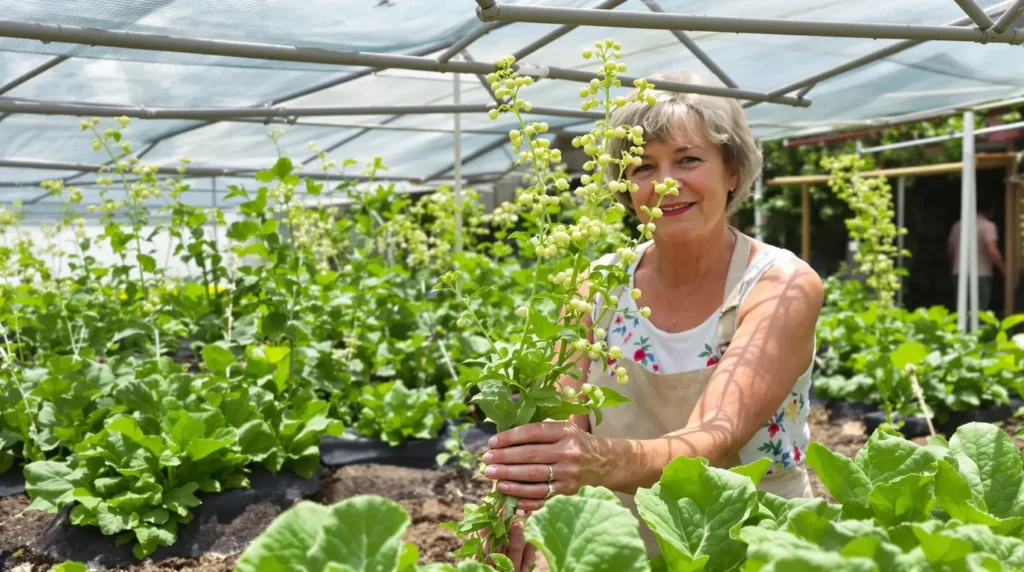
To ensure your recipe shines, select young, small, and tightly closed artichokes. The leaves should be compact and free from blemishes. Varieties like violet or romanesco are particularly ideal in the spring months.
Avoid larger, more open artichokes; they tend to be fibrous and less tender when cooked. Here, finesse takes precedence over quantity.
Ingredients for 4 servings
– 8 small, fresh artichokes
– 3 garlic cloves
– 1 large bunch of fresh flat-leaf parsley (about 40 g)
– 6 tablespoons of olive oil
– 1/2 lemon
– 5 cl of dry white wine
– 10 cl of vegetable broth
– Salt
– Freshly ground black pepper
Step-by-Step preparation
Start by filling a large bowl with cold water and squeezing in the juice of half a lemon. As you cut each artichoke, promptly immerse the pieces in this lemony water to prevent browning and maintain their vibrant appearance.
Begin by removing the tougher outer leaves. Trim the top third off each artichoke, then cut them in half and into quarters. If you encounter any “fieno” (the fibrous choke) in the center, carefully remove it with a knife tip or a small spoon.
Ensure the artichoke pieces are well-drained before cooking them. This prevents splattering and promotes better caramelization.
The secret to perfect sautéing
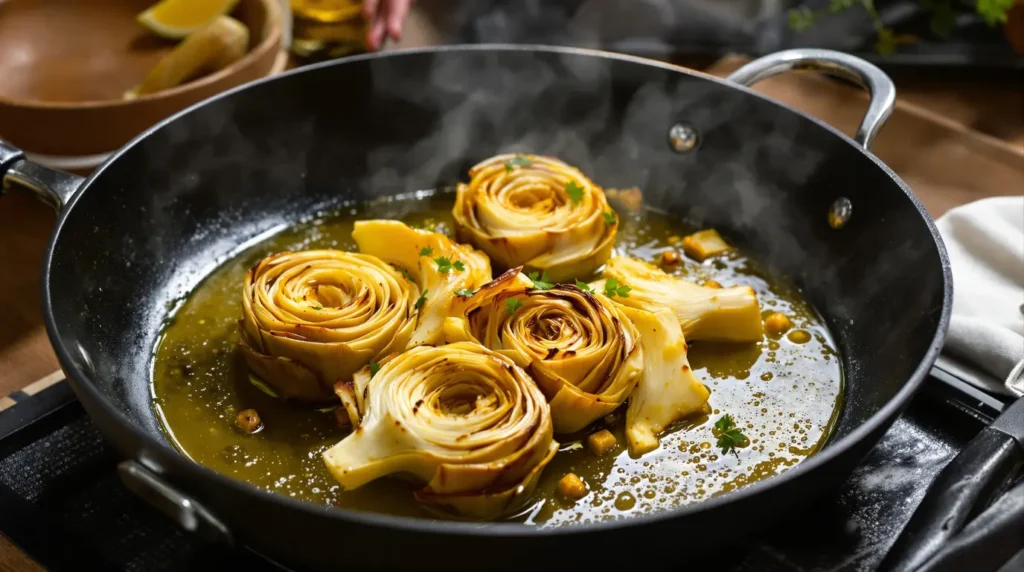
In a large skillet over medium heat, warm 4 tablespoons of olive oil. Add the finely chopped garlic and allow it to infuse the oil without burning, just until it releases its fragrant aroma.
Next, introduce the drained artichokes to the pan and sauté them over medium-high heat for about 5 minutes, stirring frequently. They should begin to take on a lovely golden hue without drying out.
Pour in the white wine and let it evaporate nearly completely. Season with salt and pepper, adding half of the chopped parsley and the vegetable broth.
Cover the skillet and let it simmer on low heat for 15 to 20 minutes, until the artichokes are tender yet still have a slight bite. If necessary, uncover towards the end of cooking to reduce any excess liquid.
The finishing touch that elevates the dish
Once off the heat, stir in the remaining parsley and drizzle with a splash of raw olive oil. This final touch enhances the flavors and brings a fresh brightness to the dish.
Serve warm or at room temperature; it’s often at this stage that the flavors meld beautifully, making for the most enjoyable experience.
Variations and tips
If your artichokes are particularly young, they will cook more quickly. Keep a close eye on the skillet to prevent them from becoming mushy, as overcooking can diminish their texture.
For a subtle kick, consider adding a pinch of sweet paprika at the beginning of cooking. While not traditional in every region, it can add a delightful depth without overpowering the dish.
These artichauts trifolati pair wonderfully with hard-boiled eggs, grilled fish, or short pasta. They also make an excellent accompaniment to a simple platter featuring salad, fresh cheese, and rustic bread.
Storage and everyday use
Artichauts trifolati can be stored in the refrigerator for up to 48 hours. In fact, their flavor may deepen after a few hours in the fridge, making them a convenient make-ahead option.
Keep this recipe handy. It’s quick, reliable, and evokes the essence of Southern markets. Once mastered, you’ll find yourself revisiting it each spring as fresh artichokes come into season.