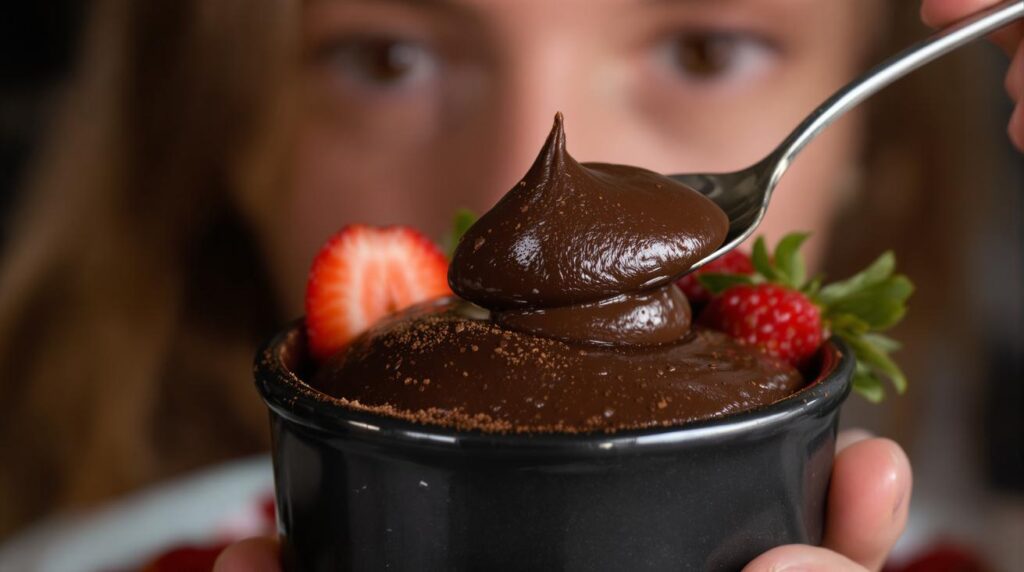

The myth of the French gastronomic meal
The allure of the French gastronomic meal is undeniable. However, the reality of daily dining often tells a simpler story. In just a few minutes, we can explore what the French truly eat today, navigating between tradition, the food industry, and the fast pace of modern life.
The gastronomic meal: an image, not a routine
The celebrated meal recognized by UNESCO remains a strong cultural touchstone. It embodies conviviality, elaborate dishes, and the time taken to share food together. Yet, this is not the everyday norm. Sociologists remind us that such meals are usually reserved for special occasions.
Simultaneously, the portion of the budget allocated to food has seen a significant decline. According to INSEE, this figure has dropped from 35% in 1960 to 21% in 2021. This shift alters priorities and behaviors; when time and budget are tight, our eating habits inevitably change.
What the French eat daily
While menus remain diverse, certain trends have emerged. Breakfast can range from light to hearty, while lunch is often a mix of ready-made meals, cafeteria fare, homemade dishes, and dining out. Dinners are typically simpler than in the past.
Breakfast: Slices of bread with butter or jam, yogurt, fruit, and coffee or tea.
Lunch: Composed salads, sandwiches, reheated prepared dishes, or quick bites at work.
Dinner: Meat or fish, vegetables (often frozen or canned), pasta or rice, and soups are making a comeback.
Snacks: Fruits, cereal bars, and biscuits have become commonplace, with snacking now a regular part of life.
The standardization of food is evident. Since the 1960s, the rise of supermarkets and the food industry has made similar products accessible everywhere. While olive oil remains more popular in the South, regional differences are fading.
Where and how the French dine
Dining environments and practices vary widely. Many eat alone; some have lunch standing up or in front of a screen. Others still prioritize meals as collective experiences. The decision to cook or buy prepared foods often hinges on available time.
Ready-made meals have gained popularity due to their convenience, reducing the burden of cooking. However, they can also lead to a disconnection from family cooking and home flavors.
Reasons for changing habits
Several factors contribute to the evolution of eating habits. Work demands, commuting, and fast-paced lifestyles play significant roles. The widespread presence of supermarkets has homogenized food offerings, while innovations in the food industry have made practical products easily accessible.
The baby boomer generation experienced a different culinary model. Younger generations, while facing fewer time constraints, have higher demands for convenience. The result: meals that are often quicker, more functional, and at times, more solitary.
A simple and realistic daily menu (for two people)
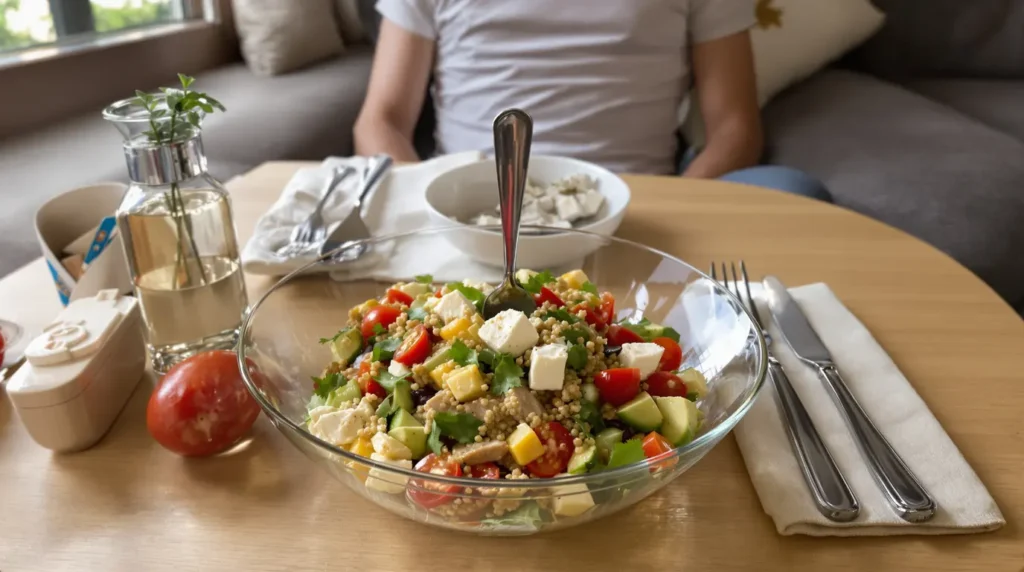
Here’s an idea for a balanced dinner that’s quick to prepare and aligns with current eating habits. It’s a modern take on everyday dining.
Ingredients:
- 200 g chicken breast
- 150 g quinoa
- 200 g cherry tomatoes
- 100 g feta cheese
- 1 ripe avocado
- 1 tablespoon olive oil
- 1 lemon
- Salt and pepper
- A few basil or parsley leaves
Preparation:
- Rinse 150 g of quinoa and cook it in 300 ml of boiling water for 12 minutes.
- Meanwhile, sauté 200 g of diced chicken breast in 1 tablespoon of olive oil, seasoning with salt and pepper.
- Halve 200 g of cherry tomatoes and dice 1 avocado. Crumble 100 g of feta cheese.
- Combine the cooked quinoa, chicken, tomatoes, avocado, and feta. Squeeze in the juice of one lemon, season with salt and pepper, and sprinkle with basil.
- Serve warm or cold. This dish takes just 20 minutes to prepare and keeps well in the refrigerator for a week.
Tips for staying social without formality
You don’t need to host a grand banquet to maintain conviviality. Simple gestures can go a long way. Set a modest table, turn off screens at least during dessert, and invite someone to share a meal at least once a week. These small habits foster sharing without pressure.
Remember, eating together strengthens bonds. The ritual doesn’t have to be perfect to be meaningful.