
Unlocking the secret to tomato growth
You’ve likely spotted those small clips attached to tomato stems in gardens and on balconies. While this may seem like a trivial gesture, it actually conceals a simple and effective technique to encourage blooming and, in some cases, increase fruit production. In this article, you’ll find a clear explanation, practical steps, and essential precautions to try this method at home.
Why a clothespin makes all the difference
Plants naturally direct their energy toward the highest growth point, a phenomenon known as apical dominance. By applying gentle pressure to the main stem, the plant slows its upward growth and redirects its sap toward flower formation. The results can be surprising: instead of a single flower cluster, multiple bouquets can emerge. This mechanical and eco-friendly approach enhances your harvest potential without the use of chemicals.
Essential materials and conditions
You won’t need much to get started, just a clothespin made of wood or plastic will do. Choose a clean, smooth model; avoid rusty or sharp-edged clips.
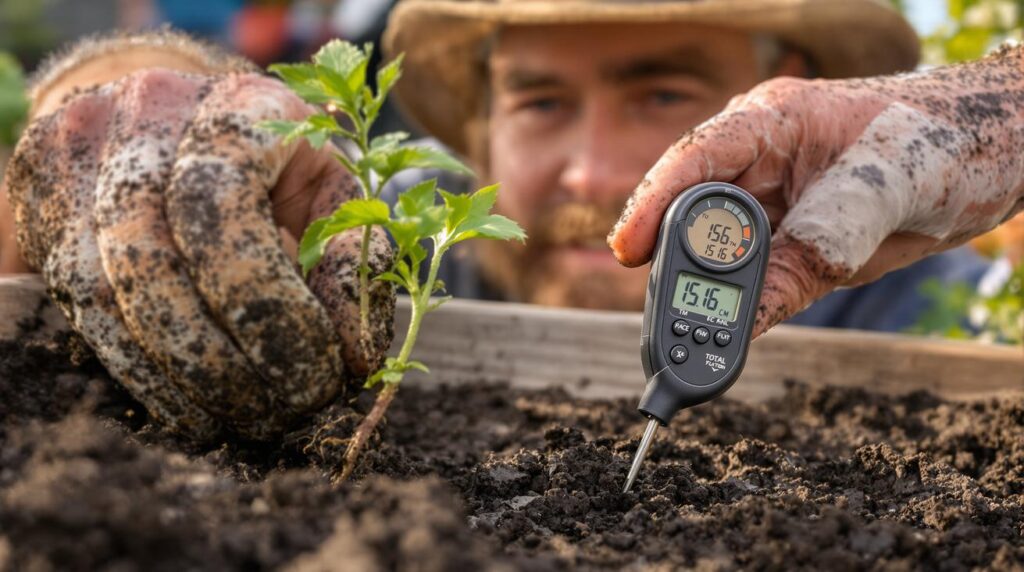
Ensure your plant is healthy. A weak plant won’t benefit from this technique. Before applying the method, check that the soil is fertile and moist; adding compost is highly recommended.
Step-by-Step instructions
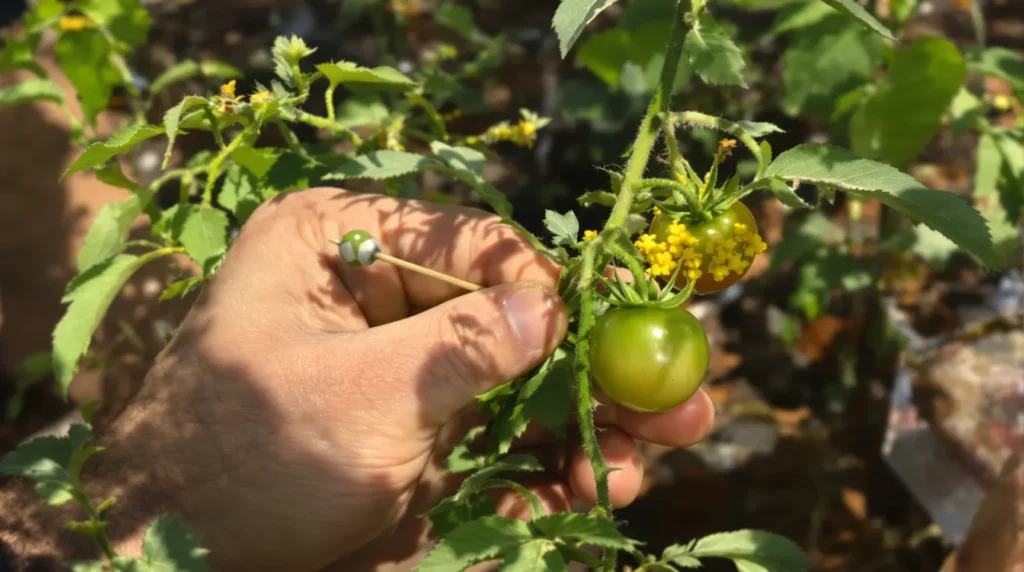
1. Identify the first flower cluster forming on the main stem.
2. Position the clothespin just below this cluster. It should grip the stem gently without crushing it.
3. Leave the clothespin in place for 7 to 10 days.
4. Check the stem daily. If the clothespin begins to dig into the fibers, remove it immediately.
5. After removal, continue to water regularly and add fertilizer or compost to support the new blooming.
When to apply and which varieties to use
Initiate this technique as soon as the first flower buds appear and temperatures rise. It works best on indeterminate varieties, which continue to grow throughout the season. Determinate varieties cease growth naturally and may respond less effectively to this stimulation.
Preparing the soil and nourishment
A well-nourished soil is paramount. When planting, incorporate 3 to 5 inches of mature compost around the base of the plant. This provides the necessary energy for transforming flowers into fruits.
Water regularly, maintaining moist soil without over-saturation. During hot weather, increase your watering routine.
Risks and precautions
Never apply so much pressure that you sever the stem; an open wound invites disease and stresses the plant. If your plant shows signs of weakness, refrain from using this method. Pinching a sick plant can exacerbate its condition.
Monitor for pests and diseases after the operation. A stimulated plant produces more flowers, thus requiring additional nutrients and care.
Alternatives and best practices
If you prefer to skip the clothespin, you can simply pinch the tip of the stem with your fingers to remove the apex. The principle remains the same; just ensure your touch is light and clean.
Consider staking as well. A well-supported stem can better manage the weight of new tomato clusters.
Conclusion
This everyday trick is both simple and powerful. With just a clothespin, a delicate touch, nutrient-rich soil, and a few days of attention, you can transform your tomato plants. Try it on a healthy specimen and observe the results, you may find yourself harvesting more tomatoes this summer than you ever thought possible.