
When Orchards Seem to Burn Under the Heat, This Little Tree Thrives
You may have encountered the Japanese loquat, a surprising ally for dry gardens that continues to bear fruit with minimal assistance during scorching summers. Here’s why it thrives where others falter, and how to cultivate it without dedicating endless hours to its care.
Meet the Heat-Resistant Tree
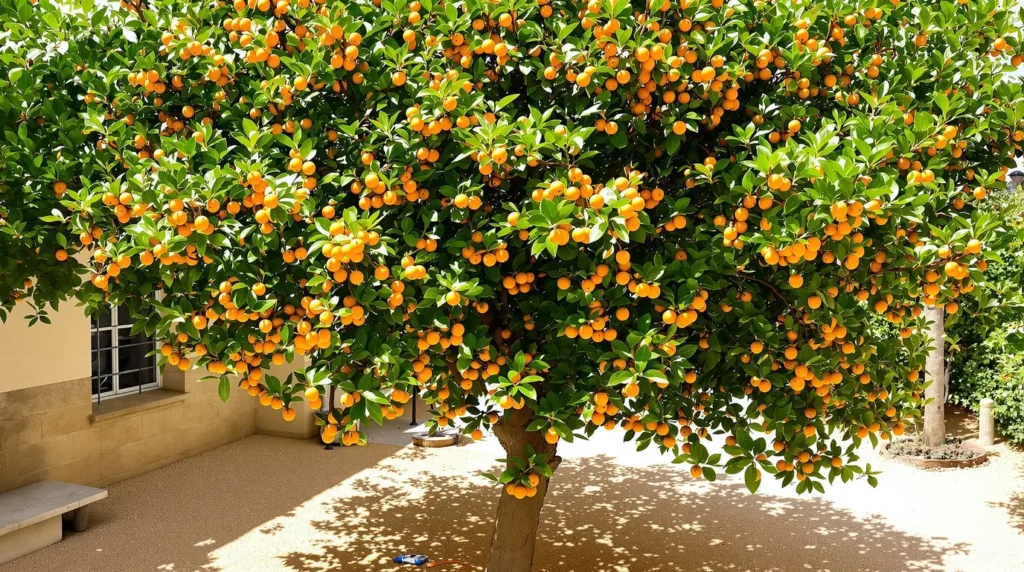
Known scientifically as Eriobotrya japonica, the Japanese loquat typically grows to heights of 13 to 20 feet and spreads 10 to 16 feet wide. This evergreen tree flourishes in full sun, ideally positioned in a warm, sheltered spot. Its hardiness allows it to withstand temperatures as low as -10 to -12 °C, making it suitable for Mediterranean climates or coastal Atlantic regions.
Why It Thrives in the Heat
Originating from subtropical zones, the Japanese loquat has adapted to hot summers and irregular rainfall. Its thick, leathery leaves and deep-rooted system allow it to draw water from far below the surface, enabling it to endure dry spells when other fruit trees may wither.
Another advantage lies in its unique growth cycle. The tree blooms in autumn and produces fruit in winter. During the peak of summer, it sheds flowers and delicate young fruit, redirecting energy to strengthen its wood and roots, organs that are far less vulnerable to heatwaves.
Optimal Planting for Minimal Watering
To ensure your loquat thrives with minimal watering, select a sunny, warm location that is shielded from cold winds. Well-draining soil is crucial; if your garden has heavy, clayey earth, amend it with about 25-30% gravel or coarse sand to improve drainage.
In cooler or more continental climates, consider growing it in a large pot (at least 15 gallons) so that you can move it indoors or protect it if temperatures dip below its tolerance.
Step-by-Step Planting Guide
Follow these straightforward steps to maximize your loquat’s chances of thriving:
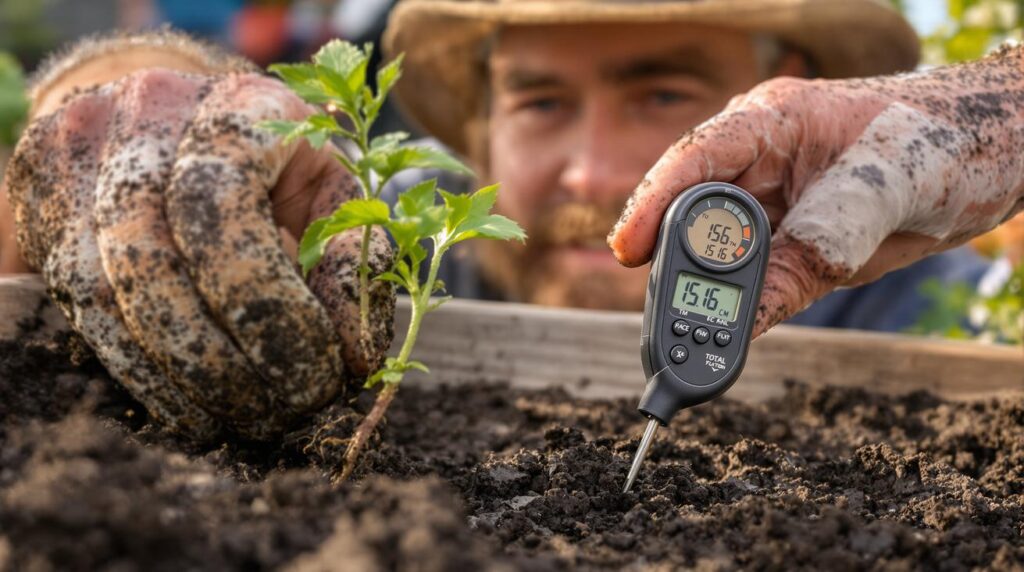
1. Dig a hole twice as wide as the root ball and the same depth.
2. Mix the excavated soil with one bucket (5-10 liters) of well-rotted compost to enhance its structure.
3. If your soil is compact, incorporate 20-30% gravel or coarse sand.
4. Plant the tree without burying the root collar, gently firm the soil around it, and water thoroughly for the first time.
5. Apply a 5-10 cm layer of organic mulch around the base to retain moisture and reduce evaporation.
6. Water regularly for the first two years to establish a strong root system. Afterward, deep watering every 3 to 4 weeks during summer is usually sufficient, depending on dryness.
Minimal Maintenance and Harvest Schedule
The Japanese loquat requires very little upkeep. In spring, add a handful of compost at the base of the tree. After harvesting, a light pruning to thin out the center will maintain the tree’s health.
It is relatively resistant to diseases in dry climates; however, late frosts below -3 °C can damage its autumn blooms. Harvest occurs late winter to early spring, yielding clusters of sweet and tangy orange fruits, perfect for tarts or compotes.
Precautions and Variants
If you live in a particularly cold area, opt for container gardening and bring the tree indoors during harsh winters. Avoid planting in overly moist soils or ensure adequate drainage. For a heat-tolerant garden, consider pairing the loquat with other drought-resistant plants to create a resilient orchard.
In Summary
If you’re searching for a fruit tree that withstands heat and requires minimal water once established, the Japanese loquat (Eriobotrya japonica) deserves a spot in your garden. It offers delightful fruit when many other trees struggle to produce, making it a valuable addition to any landscape.