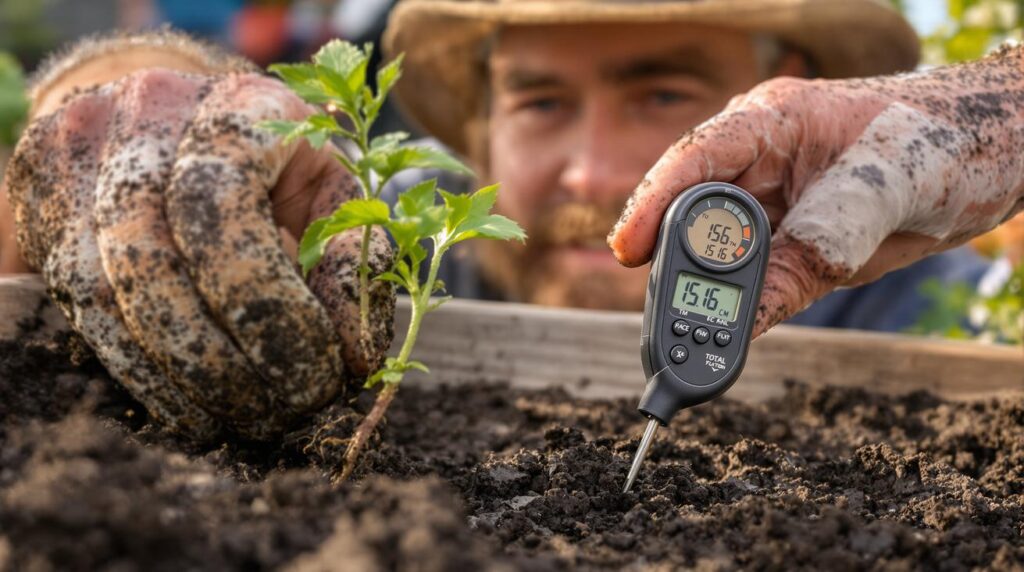


Transforming Tomato Trimmings Into New Plants
Did you think those little tomato suckers were only good for the compost bin? Think again. With just a few simple steps, you can turn a routine pruning into a source of free, young plants. In this guide, I’ll explain how to easily produce ten new plants from the suckers of your tomato plants using nothing more than a glass of water and a bit of patience.
Why These Suckers Deserve a Second Chance
The lateral shoots you often remove are known as suckers. They sprout in the leaf axils and many believe they drain the mother plant’s energy. In reality, these suckers are clones, carrying the same vitality as the original plant. When properly selected, they root easily, meaning you might be discarding potential new, productive plants.
When and How to Select the Right Suckers
The ideal time for this endeavor is late spring, particularly in May, when sap flows vigorously through the plants. Look for lateral shoots that are 4 to 6 inches long. They should be supple yet thick, displaying a vibrant green color. Avoid shoots that are too thin or already woody.
A Simple Technique for Cutting Without Damage
No need for pruning shears! A firm pinch at the base will suffice. Place your thumb and index finger at the base of the sucker, tilt it slightly, and pull gently. You’ll hear a slight crack, and the scar left on the mother plant will be minimal, allowing it to heal quickly. If you prefer to use scissors, make sure to disinfect them beforehand to prevent introducing any diseases.
The Secret of Water for Quick Rooting
Grab a clear glass of about 7 to 10 ounces. Fill it halfway with room temperature water (approximately 3 to 5 ounces). Remove the small leaves from the bottom of the sucker so that only the stem is submerged. Place the glass in a bright spot behind a window, but keep it out of direct sunlight.
Change the water every two to three days. Within 4 to 5 days, you should start to see bulges on the submerged part of the stem, which will quickly develop into white roots. In about ten days, the suckers often produce a healthy root system ready for transplanting.
Transplanting: Making the Move from Water to Soil
Prepare a hole about 6 to 8 inches deep. Mix potting soil with a handful of well-aged compost (around 2 to 3 ounces per plant). Plant the cutting, burying not just the roots but also part of the stem, up to the first true leaves. This encourages the tomato to develop new roots along the buried stem.
Water generously after planting, about 2 cups per plant, to ensure the soil is well settled. It’s best to plant in the late afternoon or on a cloudy day to minimize shock. Maintain a spacing of 16 to 24 inches between plants, depending on the variety.
Post-Planting Care and Helpful Tips
Avoid watering the foliage; focus on watering at the base of the plants. If possible, add a stake right at planting time, as tomatoes benefit from support. Mulch the soil to reduce evaporation and keep it cool. After three to four weeks, consider a light organic fertilizer if needed.
What to Expect in Terms of Yield and Savings
With well-chosen suckers and a bit of care, your success rate often reaches 90-100%. In practice, ten carefully tended suckers can yield ten robust plants. The financial savings are clear: you avoid purchasing seedlings and reduce plastic waste. Plus, the satisfaction of nurturing a plant you thought was destined for disposal is truly rewarding.
Conclusion: Change Your Habits, Multiply Your Plants
The next time you prune your tomato plants, don’t toss those suckers. Turn that action into a mini-nursery. A glass of water, ten days of waiting, and a little care are all it takes. You’ll gain new plants, save money, and better respect nature. So, are you ready to try this method and double the potential of your garden this season?