
Dreaming of a bountiful garden without spending your weekends?
Imagine cultivating a thriving vegetable garden without dedicating endless hours to it. Just plant, cover, and forget. A resilient vegetable like kale promises a steady harvest from spring through the first frosts. Here’s how to keep it simple and effective.
Why kale is perfect for busy gardeners
Kale thrives better than most leafy greens in heat, humidity, and cold snaps. Its thick leaves minimize evaporation, retaining moisture longer while adding a lush, decorative touch to your garden. This means less frequent watering and minimal monitoring. Once established, kale continues to produce with little intervention.
How to plant kale for hassle-free success
Sowing or Transplanting: Simple Steps
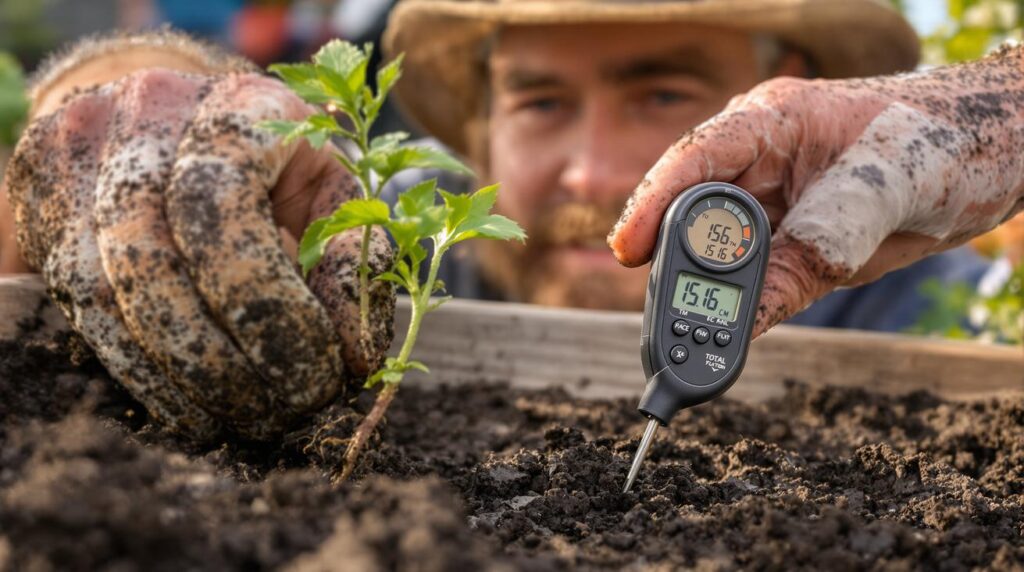
You can either sow seeds directly into the ground or transplant young seedlings. Dig a hole suitable for the root ball and gently replace the soil around it. A generous watering at the base helps it acclimate.
Setting up requires minimal tools: a trowel, some amended soil, and a watering can are all you need.
Spacing and Location
Don’t be deceived by the small size of the seedling pot. Allow 50 to 60 centimeters (about 20 to 24 inches) between each plant to prevent overcrowding and reduce disease risk. Good air circulation is essential for keeping the leaves healthy.
Choose a bright location that isn’t too hot. A cool, nutrient-rich soil helps the plant establish itself for the long haul.
The magic of mulching: lay it and forget it
The key to minimizing maintenance lies in a thick protective layer. Apply about 10 centimeters (around 4 inches) of straw, wood chips, or well-dried grass clippings around your plants.
Mulch retains moisture, suppresses weeds, and gradually enriches the soil. It also protects roots during hot spells. Practically, this means less watering and almost no weeding.
Harvesting and tips to extend production
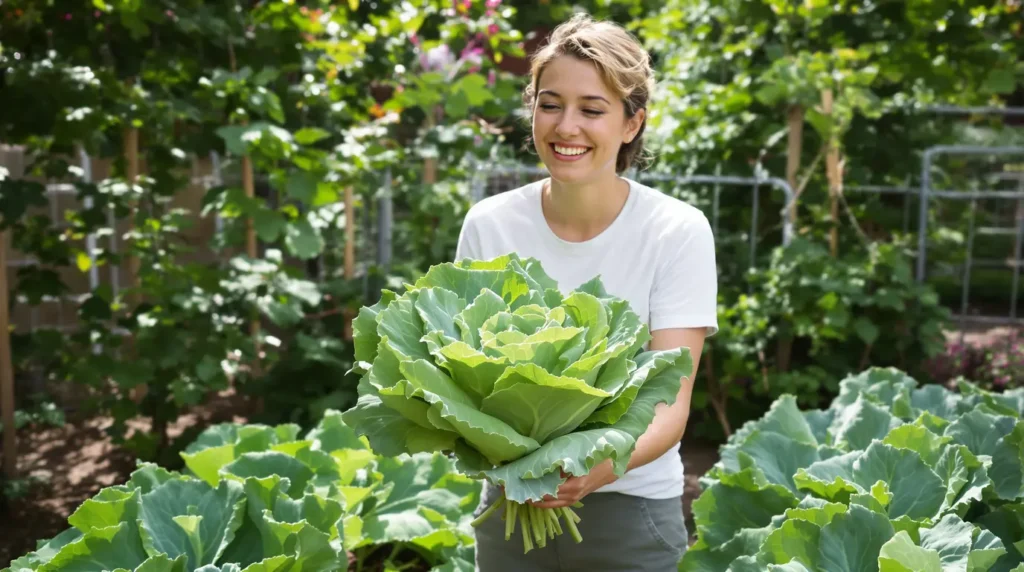
For a continuous yield, harvest the outer leaves. Always cut or detach the oldest leaves while leaving the central bud intact, allowing the plant to regenerate.
You can pick regularly from spring to autumn, and kale can even withstand a light frost, bouncing back in the following spring in milder climates.
Quick recipe: oven-baked kale chips
A simple way to use a large bunch of kale leaves, these chips are crunchy, healthy, and quick to prepare.
Ingredients:
- 200 g (about 7 oz) kale leaves (stems removed)
- 2 tablespoons olive oil
- 1/2 teaspoon salt
- 1/4 teaspoon paprika (optional)
Preparation:
Preheat the oven to 150 °C (300 °F). Thoroughly dry the washed leaves. Toss them with oil, salt, and paprika.
Cooking:
Spread the leaves on a baking sheet lined with parchment paper. Bake for 10 to 15 minutes or until crispy, keeping a close eye to prevent burning.
Yield:
From 200 g of leaves, expect a small handful of chips per person as an appetizer.
Practical tips for a stress-free garden
Often, just two actions are enough: a good transplanting in the spring and generous mulching. These steps significantly reduce watering needs and the chore of weeding.
Pair kale with thirstier crops like tomatoes or zucchini. Its foliage adds an attractive silhouette and coexists well without competing for water, especially when well-mulched.
By adopting this method, you’ll save time and water while harvesting fresh leaves with minimal effort. Try it out, and you’ll see how a little mulching can transform your gardening season.