
Timing is everything: when to plant your tomatoes
Planting tomatoes too early is the leading cause of failure in the garden. But how can you determine if the soil is truly ready? A straightforward method and a few practical tips can transform your seedlings into a bountiful harvest of vibrant red tomatoes.
Why planting too early can ruin your tomatoes
Tomato plants are particularly sensitive to cold temperatures. If the soil is too cool, their roots struggle to develop properly. This can result in stunted growth, yellowing leaves, and, in some cases, the loss of the plants altogether. Additionally, planting before the soil reaches the ideal temperatures can lead to diseases, as young roots exposed to chilly moisture are more prone to rot. In essence, impatience can often cost you your entire harvest.
A simple and reliable method to check soil readiness
The key rule to remember is this: the soil temperature must reach at least 15–16°C (59–61°F). This is the signal that the roots will thrive. Here’s a step-by-step guide:
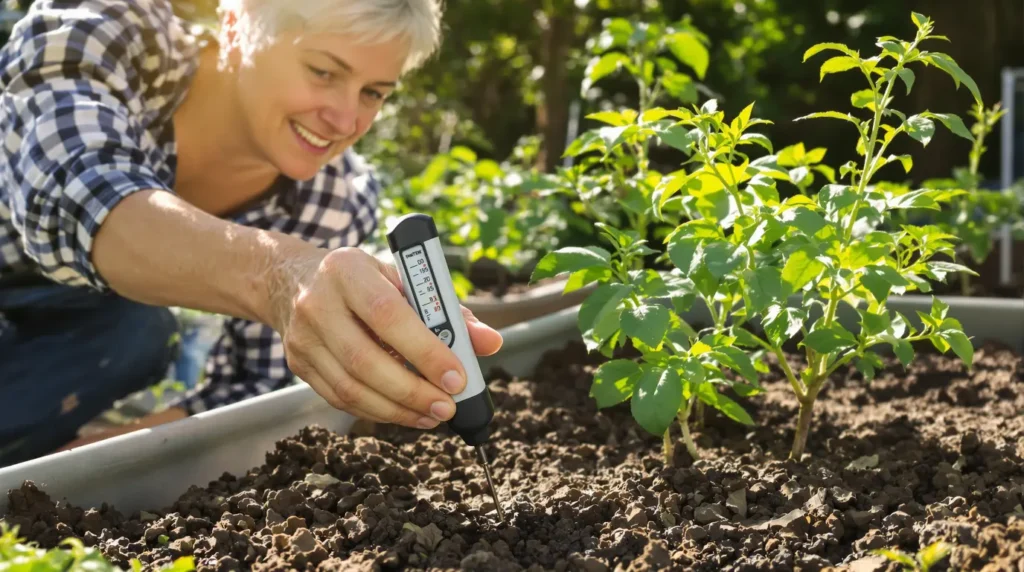
1. Obtain a soil thermometer or a garden probe.
2. Insert the probe 5–10 cm (about 2–4 inches) deep in the area you plan to plant.
3. Take the temperature reading in the morning and repeat for three consecutive days.
4. If the temperature is consistently 15–16°C or higher on all three days, feel free to plant with confidence.
This method is more reliable than simply relying on the calendar, as it accounts for local weather conditions and the unique microclimates of your garden. And don’t forget to keep an eye on late frost forecasts.
Traditional planting times and climate considerations
In France, many gardeners wait until the “Ice Saints” (mid-May) for added assurance. This is particularly wise if you live in a cooler area or experience chilly nights. For most regions, late May to early June is the ideal timeframe, but the soil temperature remains the ultimate confirmation.
Preparation: essential steps before planting
Getting the soil ready increases your chances of success. Loosen the top layer of soil and incorporate mature compost, approximately 2 to 3 liters per planting hole, to enrich without causing harm.
Dig a hole deep enough to plant the seedling, burying the stem up to the first true leaves. This encourages the plant to develop new roots along the buried stem. Maintain a spacing of 50 to 70 cm (about 20 to 28 inches) between each plant, depending on the variety. Choose a location that receives at least eight hours of sunlight each day and is shielded from excessive wind.
Watering, staking, and ongoing care
During the summer months, be generous with watering. A tomato plant may require up to ten liters (about 2.6 gallons) of water during hot spells. Water deeply and consistently rather than in small amounts.
Water in the morning to minimize evaporation, and avoid getting the foliage wet to reduce the risk of fungal diseases. Install stakes or cages at the time of planting. Early staking prevents damage to the roots later on. Mulching around the base helps retain moisture and suppress weeds.
Protecting and extending the growing season
To shield your tomatoes from autumn rains or late cold snaps, consider using plastic sheeting or frost cloths. This can often extend your harvest into September and October.
In the spring, a light cover protects young seedlings from nighttime frosts. During the hot summer afternoons, providing some shade can help preserve flowering.
Final practical tips
If your seedlings have been indoors, be sure to acclimatize them. Gradually introduce them to the outdoors by placing them outside for a few hours each day over a period of 7 to 10 days, a process known as “hardening off.”
Keep an eye on the weather and adjust your watering accordingly. Take notes on what works well in your garden; every plot has its unique characteristics. A simple temperature check and a bit of observation can often make all the difference.
With this knowledge in hand, you are now equipped to determine the best time to plant. Measure the soil temperature, prepare the earth, and water wisely. Your tomatoes will soon reward you with a splendid harvest.