
Timing your planting for success
As May rolls in, the temptation to immediately plant your seedlings in the garden is strong. However, cooler nighttime temperatures can still linger. Simple, mindful actions can make all the difference between robust growth and seedlings that struggle under the sun.
When to move your seedlings outdoors
Wait for nighttime temperatures to consistently exceed 7 to 8 °C. Even on warm days, the soil can remain chilly. If you plant too early, you risk wilting leaves by midday. A strong start relies on stable nighttime warmth.
Preparing and planting without shock
The way you handle the root ball significantly affects how well your plants take root. Avoid pulling on the stem. Instead, gently squeeze the sides of the pot to release the root ball.
Removing and untangling the root ball
Check the roots. If they are tightly wound, gently separate them with a hand cultivator. Trim away any dead or blackened roots with clean pruning shears, disinfecting your tool with alcohol beforehand.
Planting and watering effectively
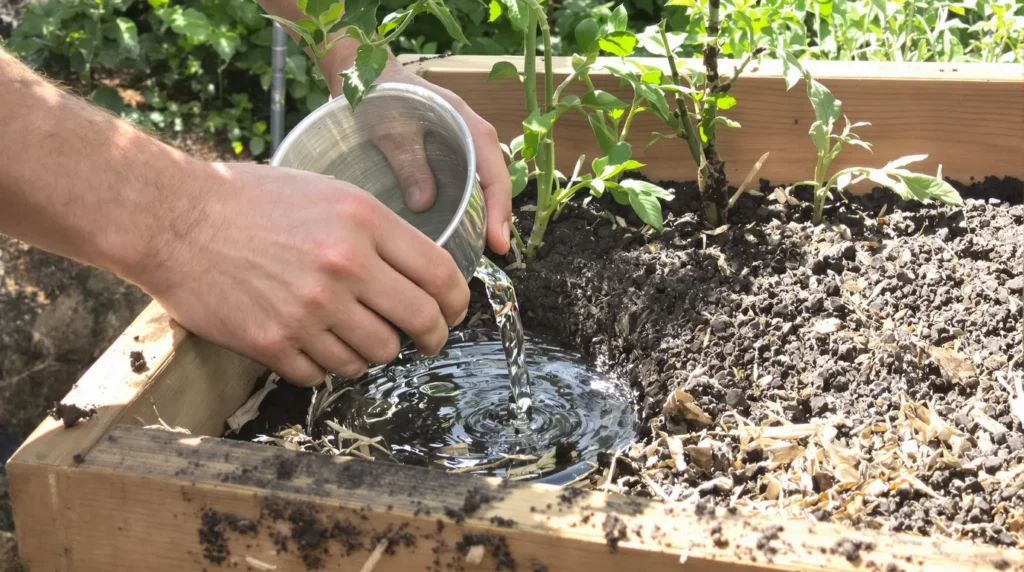
Dig a hole at least twice the width of the root ball. Water the hole before placing the plant inside. Firm the soil lightly around the base, ensuring that the root collar is level with the soil surface. Use a watering can with a fine rose to avoid compacting the surface.
Spacing and containers: allowing roots to breathe
In open ground, maintain a spacing of 40 to 50 cm between tomato plants to enhance air circulation and minimize leaf diseases. For container gardening, prioritize volume over height; aim for a pot approximately 30 cm in diameter for each tomato plant. An increase of just 2 cm in width won’t significantly benefit a healthy plant.
For repotting, use fresh potting mix combined with a third of mature compost if the substrate is light. After planting, ensure water drains freely. The soil surface should darken within an hour, and the root collar should remain clean.
Mulching: preserving moisture and curbing weeds
Bare soil heats up quickly and can crust over after rain. In May, weeds seize the opportunity of exposed soil. A 5 to 7 cm layer of mulch helps retain moisture when the earth is damp. Spread dry straw around the tomatoes, avoiding contact with the stems. A thin layer of dried grass clippings works well, while mature compost is beneficial for shrubs after weeding.
Leave about 3 cm of space around the root collar to prevent moisture from contacting the stems. Ground cover plants can fill in space like a living carpet; while they won’t replace initial weeding, they block light from weed seeds and slow unwanted growth.
Monitor and care in the week following planting
After planting, observe the leaves in the morning and at noon. If the leaves are firm in the morning but droop by midday, the roots may not be established. Within a week, the stem should regain its vigor.
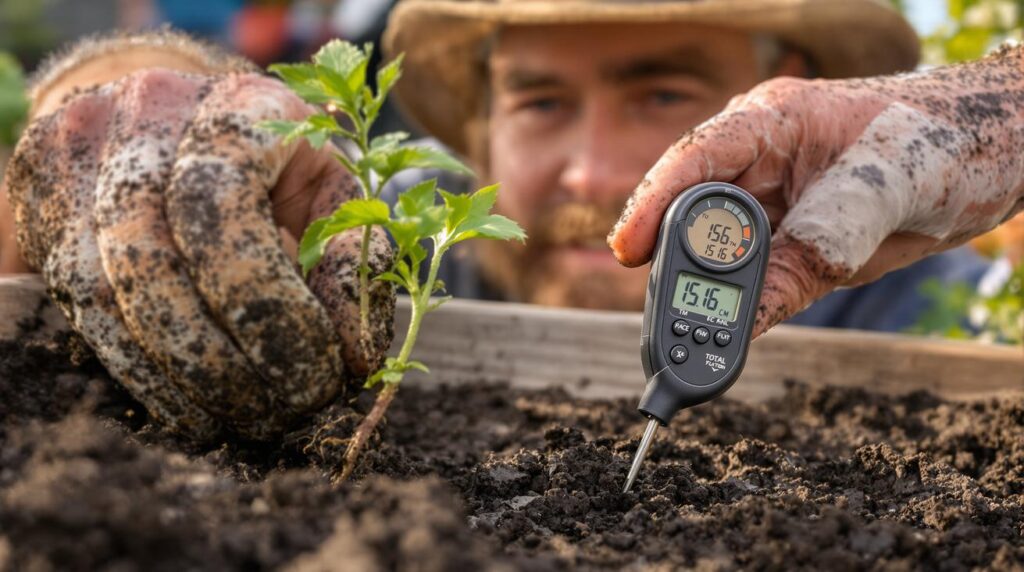
Check soil moisture by probing with your finger to a depth of 5 cm. If the soil crumbles like dust, provide about 5 liters of water per plant or dry hole.
Selecting the right wood and protecting your soil
Choosing the right frame for your raised bed is crucial. Certain pallets marked with MB and creosote-treated timber are unsuitable for vegetable gardening, as they can leach undesirable substances. Opt for untreated woods like oak, Douglas fir, or larch. A geotextile fabric against the walls can minimize direct contact between the wood and soil, prolonging the frame’s life without contaminating the substrate.
Practical checklist before planting
– Ensure nighttime temperatures exceed 7–8 °C.
– Aerate the surface by raking 10 cm deep if necessary.
– Remove the root ball by squeezing the pot, untangling any encircled roots.
– Trim any dead roots with disinfected shears.
– Dig a hole twice as wide, water before placing the plant, and firm the soil around the root collar.
– Apply a 5–7 cm layer of mulch, leaving 3 cm around the root collar.
– Check moisture at 5 cm deep and water with 5 liters if the soil is dry below the surface.
By following these straightforward steps, you’ll help your young plants establish themselves without compromising the soil. The results will be evident: firmer leaves, deeper roots, and a thriving garden throughout the summer.