
Five common mistakes to avoid after the Frost
Every spring, you await the arrival of the Ice Saints with a mix of hope and anxiety. However, planting too early or overlooking a few simple rules can be costly for your garden. Here are the five most frequent mistakes to steer clear of right after the frost.
Error #1: assuming the risk of Frost ends after May 13
Many people treat the end of the Ice Saints as a definitive green light for planting. This is a misconception. Weather records indicate that episodes of cold can still occur regularly after this date. Don’t assume that cold nights are behind you. Always check local forecasts before planting, as climate conditions vary by region and elevation.
Error #2: ignoring your location and following a generic planting calendar
Planting calendars are not one-size-fits-all. Coastal areas and warmer valleys tend to heat up faster, while plateaus and higher altitudes remain chilly longer. Customize your planting and transplanting schedule to suit your microclimate. Consider factors like exposure, wind, and soil type. A planting date that works in one garden may not yield the same success in another.
Error #3: planting delicate vegetables in the ground without protection
Tomatoes, eggplants, peppers, zucchini, and basil thrive in the sun and love warmth but are highly sensitive to frost. If you decide to plant these tender varieties, be sure to prepare simple protective measures. Cloches, frost cloths, or plastic tunnels can shield your plants from cool nights and potential frost returns. It’s better to wait a few extra days than to lose entire seedlings.
Error #4: overlooking the vulnerability of Young Plants
Freshly transplanted seedlings have underdeveloped roots, making them less able to absorb nutrients from cold or waterlogged soil. This can lead to stunted growth and increased susceptibility to stress. Avoid transplanting during cool nights; wait until nighttime temperatures consistently exceed 8 °C for several nights. A soil temperature of 12–15 °C promotes root establishment for the more delicate species.
Error #5: following the calendar instead of the weather
While planting calendars can provide guidance, weather conditions should dictate your actions. Check the forecasts for trends over the next 7 to 14 days before planting. A stable and temperate period is preferable to adhering to a fixed date. Additionally, keep an eye on local forecasts for nighttime frost; weather apps and local stations often offer precise information for your area.
How to effectively protect your early plantings
A few simple strategies can make a significant difference. Here are some straightforward and effective tips to implement:
- Use Frost Cloth: Lightweight and breathable, frost cloth can maintain temperatures 2 to 4 °C higher during the night. It’s quick to set up and easy to remove when the sun warms up.
- Cover Young Plants: Cloches or cut bottles can provide additional warmth for your seedlings.
- Mulch Around Seedlings: Applying mulch helps stabilize soil temperature and retain moisture.
- Choose Appropriate Varieties: Some tomato and squash varieties are more tolerant of cooler nights.
- Wait for Soil to Warm Up: Only plant delicate species when soil temperatures exceed 12 °C.
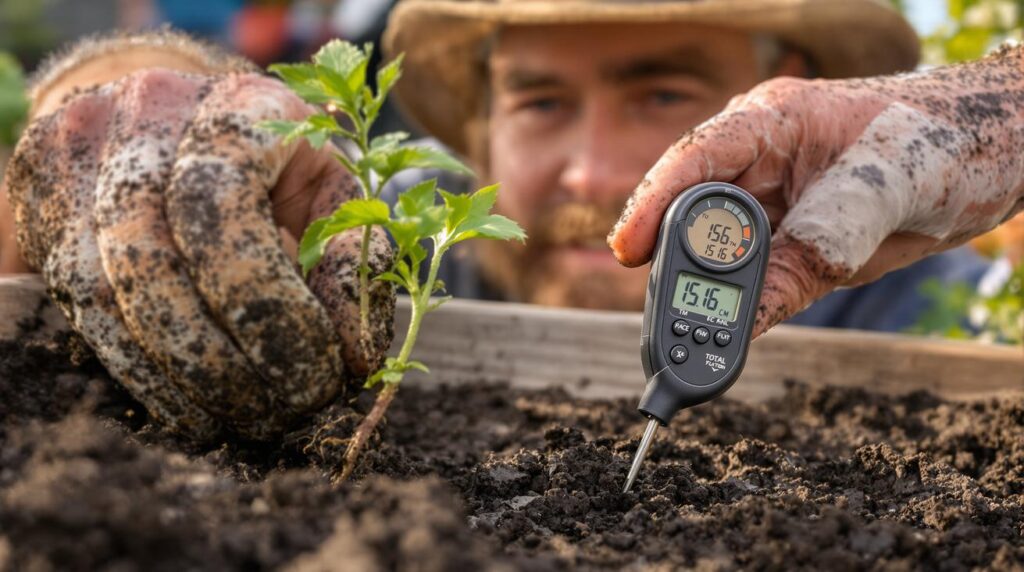
Lastly, consider testing your planting site before you begin. Place a thermometer at soil level for several nights to determine if the location is too exposed to potential frost.
By adhering to these straightforward principles, you can minimize risks and enhance your chances of cultivating a vibrant garden this summer. The tradition of the Ice Saints remains valuable, but it is your observation of the garden and cautious approach that will truly make a difference.