
Understanding the disappointment of young zucchini
There’s nothing quite as disheartening as watching young zucchinis turn yellow and rot before they have a chance to mature. After planting, watering, and waiting, the letdown can be overwhelming. This issue often stems from a combination of factors, including pollination problems, humidity levels, plant stress, or sometimes diseases. Here’s how to identify the issues and take swift action.
The main causes
Insufficient pollination
Zucchini plants produce both male and female flowers, with the female flowers identifiable by a small swelling at the base. Without pollen, the female flower remains unpollinated, leading the fruit to stop growing, turn yellow, and eventually rot. This is particularly common early in the season when plants initially produce more male flowers, with female flowers appearing later. Male pollen is only viable for a few hours, so if no pollinators visit at the right time, fertilization doesn’t occur.
Weather conditions can also hinder pollination. Rain, wind, or chilly temperatures can reduce bee and bumblebee activity. Since flowers typically open early in the morning and close by noon, a lack of visitors during these hours can result in missed opportunities for fertilization.
Excess moisture around the fruit
Zucchini thrives in cool, well-drained soil, not overly wet conditions. A prolonged contact between the fruit and damp soil can soften the skin, allowing opportunistic fungi to flourish. When zucchinis sit on moist ground, they tend to rot quickly. Additionally, dense foliage can obstruct airflow, causing humidity to linger beneath the leaves. Watering from above or too close to the fruits can exacerbate the problem.
Stress, nutrient deficiencies, and growing conditions
Plants may abandon their fruits if they’re lacking energy. A potassium deficiency can slow down maturation, while poor or inadequately amended soil fails to support production. Irregular watering, alternating between drought and excess, can also lead to young fruit drop. Furthermore, temperatures below 15 °C can significantly hinder growth.
Diseases, but less frequently
While plant diseases are not the most common cause of rot in young fruits, they can weaken the plant. Powdery mildew hampers sugar circulation, while botrytis thrives in humid conditions, attacking wilted flowers and young zucchinis. Bacterial rots typically follow injuries or excessive moisture and are more prevalent toward the end of the season or after extended wet periods.
Immediate actions: simple and effective steps
Encourage pollination
Planting nectar-rich flowers nearby can boost pollination. Avoid using insecticides. In inclement weather, consider hand-pollinating. Gently remove the petals from a fresh male flower and rub the inside against the stigma of an open female flower. Repeat this process in the morning for better results.
Reduce soil moisture
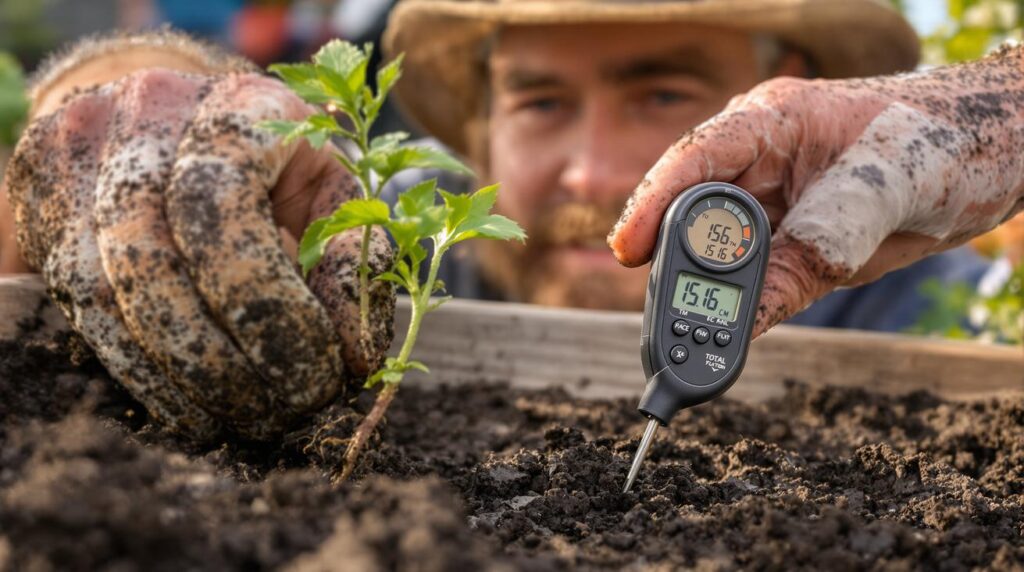
Apply a 5 to 10 cm layer of mulch (such as straw, wood chips, or well-rotted compost) to prevent direct contact between the fruit and the soil. Water at the base of the plant in the morning only, and refrain from wetting the leaves.
Improve air circulation
Trim back some lower leaves that may be shading the fruits. Allowing air to circulate helps reduce humidity buildup and limits fungal growth.
Support growth
Incorporate well-rotted compost at planting (approximately 2 to 3 liters per plant). If necessary, use a balanced fertilizer or one rich in potassium based on soil analysis.
Protect early in the season
A lightweight cover can shield plants from chilly nights, promoting growth. During prolonged rain, elevate the fruits on clean stones or enhance the mulch to keep them dry.
Quick diagnosis
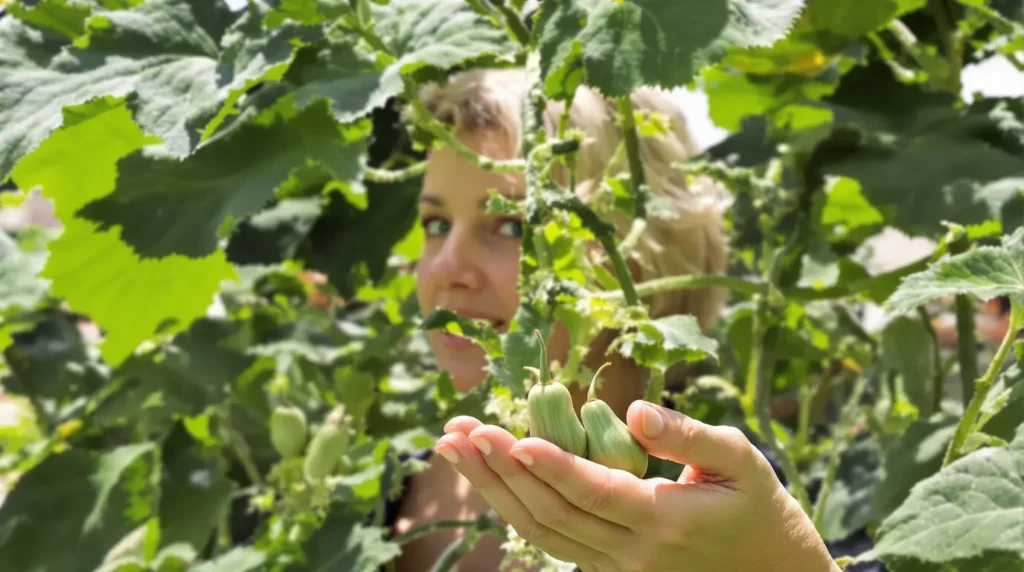
Take a close look at the fruits. An unpollinated young zucchini will yellow at the flower end, remain small, and eventually soften. The plant itself often appears healthy. Conversely, if you notice spots on the leaves, white fuzz, or gray mold, these are signs of disease. In such cases, remove affected parts and improve ventilation while adjusting your watering methods.
In summary
The rotting of young zucchinis signals an imbalance: whether it’s inadequate pollination, excessive moisture, nutrient stress, or unfavorable weather conditions. By observing early and implementing simple measures, such as mulching, watering at the base, hand-pollinating, and adding compost, you can increase your chances of harvesting healthy, abundant fruits.
Don’t lose heart; each aborted zucchini offers insight. Adjust your practices, and your plants will reward you as the season progresses.