
markdown
Transforming mornings with fresh brioche
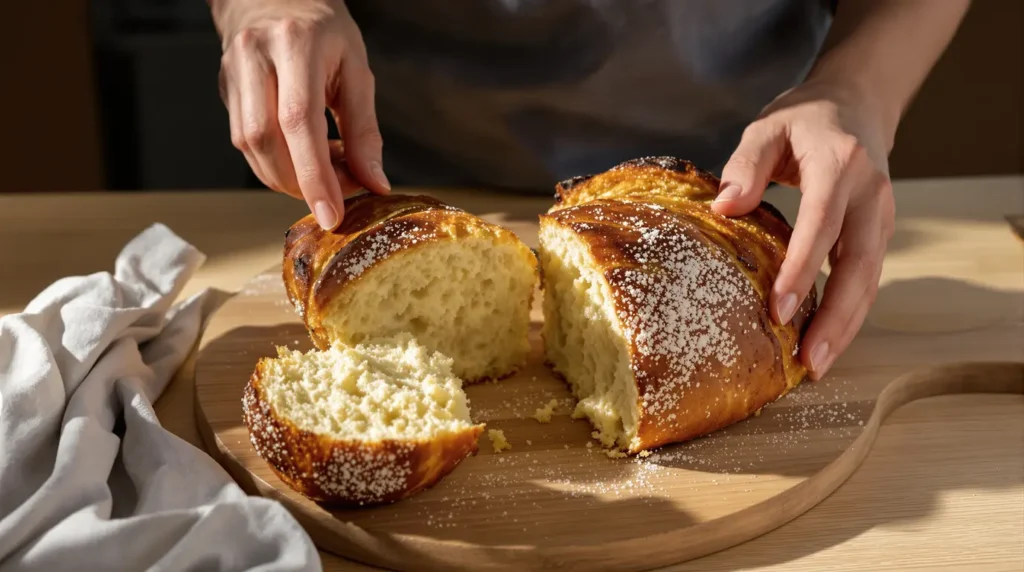
Sometimes, all it takes is a warm, freshly baked brioche to turn an ordinary morning into a tender and comforting moment. The aroma of butter wafting through the kitchen and the light, melt-in-your-mouth texture… What if you could master this delightful treat on your first attempt? Here’s an infallible and simple recipe for a soft homemade brioche, presented step by step.
Essential ingredients for a soft brioche
Success lies in the proportions. Adhere to them, and your brioche will be airy and delightful. Here’s what you’ll need for a generous loaf:
- 500 g T45 flour or bread flour
- 60 g brown or raw sugar
- 10 g fine salt
- 20 g fresh baker’s yeast or 7 g active dry yeast
- 6 large eggs at room temperature (reserve 1 yolk for glazing)
- 250 g unsalted butter, well softened
- 3 to 4 tablespoons of lukewarm water to activate the yeast
- 1 tablespoon of milk for glazing
- Optional: zest of one lemon or orange, or 1 teaspoon of vanilla extract
Step-by-Step preparation
Take your time. Each resting phase enhances the quality of the brioche. Set aside approximately 4 hours in total, most of which is waiting time.
1. activate the yeast
Dissolve the 20 g of fresh yeast in 3 tablespoons of lukewarm water. If using dry yeast, let it bloom for 5 to 10 minutes. It should bubble slightly, indicating it’s active.
2. mix the dry ingredients
In a large mixing bowl, weigh 500 g of flour. Add 60 g of sugar, then incorporate 10 g of salt, ensuring it doesn’t come into direct contact with the yeast.
3. Incorporate the eggs
Add the 6 eggs one by one, mixing thoroughly after each addition. Expect a sticky dough at first; this is normal.
4. Add the butter
Incorporate the 250 g of softened butter in small pieces. Knead until the dough is smooth and shiny, which may take 10 to 15 minutes if kneading by hand or using a mixer.
5. first rise
Form the dough into a ball. Cover the bowl with a damp cloth and let it rise in a warm spot for 1.5 to 2 hours. The dough should double in size.
6. shaping and second rise
Gently deflate the dough by pressing it with your palm. Shape it into a braid, a crown, or several small brioches. Allow it to rise for another 30 to 45 minutes, as this second rise significantly enhances the softness.
7. glaze and bake
Preheat the oven to 180 °C (350 °F). Whisk together the reserved egg yolk and 1 tablespoon of milk. Brush the brioche with this mixture. Bake for 25 to 30 minutes. If the top browns too quickly, cover it with aluminum foil. Wait 10 to 15 minutes before removing from the pan.
Game-Changing tips
- Use eggs and butter at room temperature for better incorporation and even rising.
- Avoid direct contact between salt and yeast. Mix the yeast with liquids separately from the salt and flour.
- Knead sufficiently; a well-kneaded dough becomes elastic, indicating a light crumb.
- Protect the dough from drafts; consistent temperature is essential for rising.
- If the dough sticks to your hands, dampen them slightly to facilitate shaping without adding more flour.
Creative variations to try
Brioche is a canvas for creativity. Here are simple ideas to surprise your loved ones:
- Chocolate brioche: Add 100 g of chocolate chips or sticks.
- Citrus: Incorporate zest from a lemon or orange for a fresh aroma.
- Traditional: Fold in 80 to 100 g of candied fruits for a nostalgic touch.
- Savory: Reduce sugar to 10 g and add 80 g of grated cheese and herbs.
Enjoying and storing your brioche
Brioche is best enjoyed warm. Serve it plain, or with butter, jam, or a delicious spread.
To keep it fresh for 24 to 48 hours, wrap it in a clean cloth or place it in a paper bag. For longer storage, slice and freeze portions. Toast them briefly or allow them to thaw at room temperature.
Common issues and quick fixes
- Dense dough: Likely under-kneaded or not risen enough. Knead for an additional 5 to 10 minutes and allow for a longer rise.
- Sunken brioche: Avoid over-proofing during the second rise. Shape as soon as it has nearly doubled.
- Over-browned surface: Cover with aluminum foil while baking.
With these proportions and steps, you’ll create a generous and soft homemade brioche. This recipe requires time but not exceptional skill. Give it a try this weekend, and you’ll find that cooking will reward you abundantly.