
Understanding the subtle differences between parchment paper and baking paper
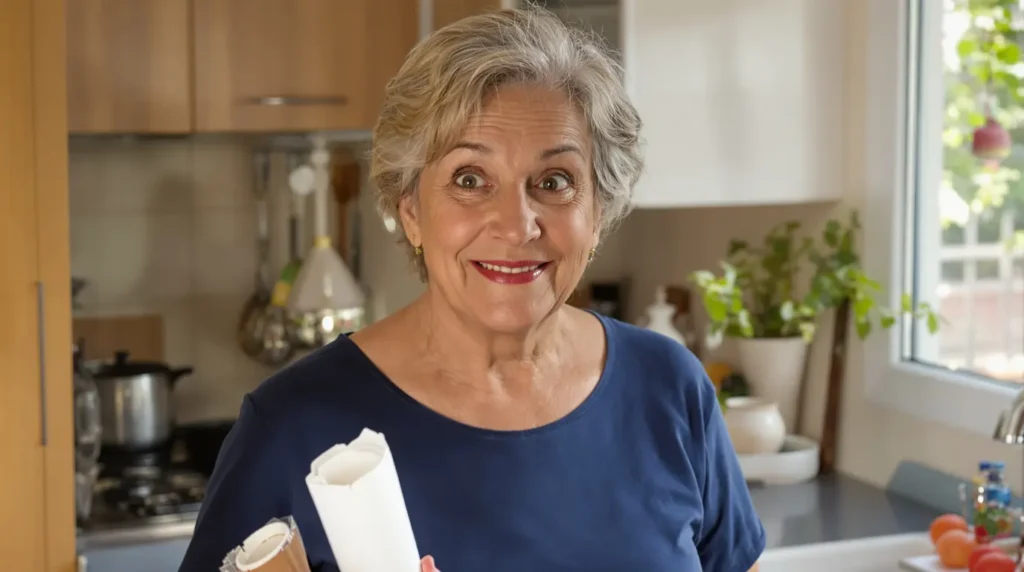
You see them every week in your kitchen, but have you ever truly wondered if there’s a difference? Parchment paper, baking paper, and sulfurized paper, these terms often blur together. However, a few technical details can change everything. Here’s a clear and useful explanation.
Two terms, similar uses, but not quite synonymous
In practical terms, these papers serve similar purposes. They prevent food from sticking, make it easier to release baked goods, and protect your baking trays. That’s why the general public often confuses them.
Yet, parchment paper and baking paper are not exact synonyms. One can refer to a specific product, while the other encompasses a broader category. This nuance is why the difference often remains undiscovered until later in life.
First impressions: texture and appearance
The most immediate difference lies in texture. Parchment paper is often very smooth, appearing slick to the touch. This is due to surface treatment; many modern options receive a silicone coating that renders the paper less porous and non-stick.
Baking paper, on the other hand, can feel more rustic. Some sheets remain brown and matte, while others are white. The color varies depending on the manufacturing process and brand. While this is a helpful indicator, it’s not a definitive rule.
How silicone treatment changes the game
The silicone layer affects several properties. It makes the paper grease-resistant and moisture-proof, making it suitable for greasy preparations and wet doughs alike.
Another advantage? You can often reuse a sheet of parchment paper, provided it isn’t too stained. This makes it a practical and economical choice.
Temperature tolerance and versatility
Treated paper can withstand both heat and cold, making it ideal for baking and even certain freezing stages. This is part of why it’s so popular among home cooks and professionals alike.
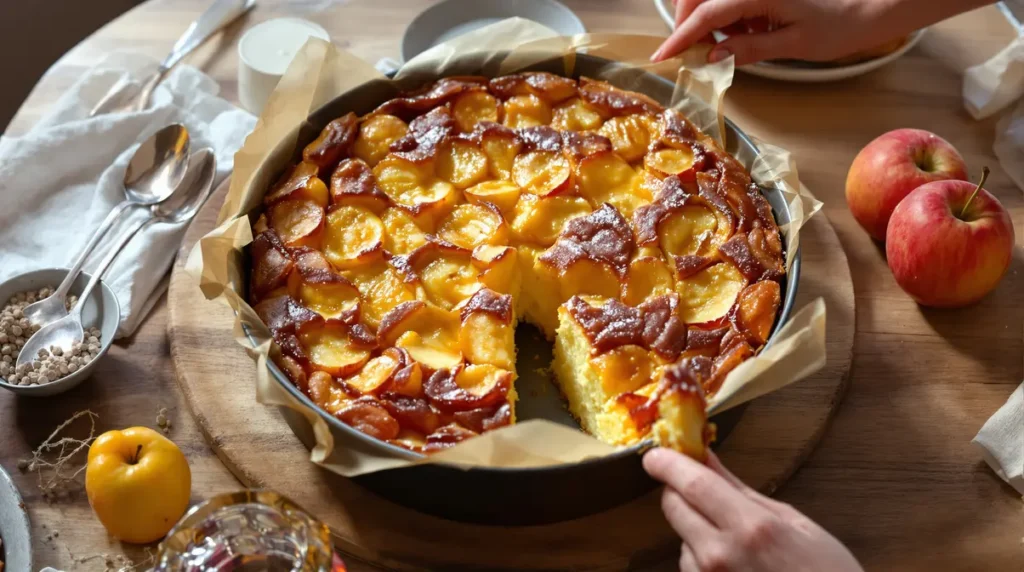
In practice, you can use it for baking cookies, steaming vegetables, wrapping fish fillets, or protecting delicate pastries. The uses remain quite similar across the variations.
How to choose the right paper
Check the packaging: Look for terms like “silicone” or “non-stick” which often indicate treated parchment paper.
Color matters: White sheets typically signify treated paper, while brown sheets lean towards more natural options. However, this is not infallible.
Usage instructions: Some packaging specifies whether the paper can be reused or is resistant to freezing temperatures.
Practical tips for optimal use
Always lay the paper flat on the baking tray. If you’re working with a very liquid dough, slightly fold the edges to prevent any spills. For longer baking times, check the condition of the paper before reusing it.
Avoid placing the paper directly over an open flame. Despite its durability, it’s designed for oven use and controlled temperatures.
Simple recipe to try with parchment paper: shortbread cookies
Here’s a quick recipe to test out your parchment paper. This yields 12 cookies.
Ingredients:
- 150 g all-purpose flour
- 100 g cold butter, diced
- 70 g granulated sugar
- A pinch of salt
- 1 egg yolk
- 1 tablespoon cold water (if needed)
Instructions:
- Preheat your oven.
- In a bowl, combine the flour, salt, and sugar.
- Incorporate the butter until the mixture resembles coarse crumbs.
- Add the egg yolk and mix quickly to form a dough.
- Roll out the dough between two sheets of parchment paper to prevent sticking.
- Cut out shapes, remove the top sheet, and place the cookies on a baking tray lined with baking paper.
- Bake until golden. Allow to cool before removing from the tray. The non-stick properties will make this process nearly effortless.
In summary
Parchment paper is often distinguished by its silicone treatment, which makes it smooth, greaseproof, and non-stick. The term baking paper encompasses a wider range of products. While the differences may not drastically alter your recipes, understanding these nuances will help you choose the most suitable paper for your culinary creations.